Next time you’re walking around the campground, ask a nearby RVer if their rig has ever broken down. Better yet, ask about the first time it broke down. Go ahead. Ask.
They’ll probably lean back, a little gleam in their eyes, and launch into a very informative story. One that involves a late-night at the campground, on the side of the road, or in a big box parking lot. The night was dark… the highway was deserted… it was a 97-degree day—sun blaring in the desert… Pouring rain… Dripping with sweat… First flakes of snow of the season…
Maybe it’s all the nights around a campfire or surrounded by nature, but RVers are the best storytellers. Bar none. Or maybe it’s just that RVing creates the best stories. (It’s yet another reason to love this lifestyle.)
And now, lucky you, you get to learn the lessons of the day in the best way possible.
What you won’t find in the fancy RV brochures: it’s not a matter of if something breaks. It’s only a matter of when. Even if you have a brand-new RV, fresh off the lot, smelling like factory adhesive, begging for adventure, and fueled with nothing but optimism. It doesn’t matter. Somewhere between the mountains of Colorado and a KOA in the middle of Nebraska or the Appalachian Mountains and the plains in Kansas or insert your preferred camping grounds, something, somewhere is going to rattle loose, spring a leak, blow a fuse, or simply decide it’s done, dang it.
And when that moment comes, the difference between a minor inconvenience and a vacation-ending disaster is what’s resting in your RV tool kit (along with the right attitude).
In other words, you need to know how to build one that actually works when you need it. Which is why we asked each other and some of our favorite RVers who have been there and done that, what tools were most essential—the ones you should never RV without.
From there, we put together checklists for every major system (along with some surprising answers).
The Essential Rule: Know Your Rig
Before we get to the checklists, a word of wisdom passed down from RVers everywhere: read your owner’s manual before you need it. No, it may not be as fascinating as the who-done-it you’ve got packed (or even as this blog ). But that manual is required reading. It tells you what size lug nuts you have. Where the manual slide-out crank is. And which fuses control which systems. That information is priceless in all of the above scenarios.
Just as important is weight, especially for towable rigs with payload limits. You don’t want to load up your rig with a mechanic’s shop. You want to bring the right things—and only those things.
There is one additional thing worth noting: motorhomes and vans (Class A, B, and C) are essentially a house attached to an engine. When the engine breaks down, your whole house is in the shop. You can’t just unhitch and sleep in the trailer while the truck gets fixed. Towables (travel trailers, fifth wheels) skip the engine headaches. But they come with their own gremlins—hitch hardware, trailer brakes, bearings, and electrical connections that mysteriously stop working just as you’re crossing the state line.
We’ve got checklists for both.
The Universal Starter Kit
Let’s start with the essential list for every RV repair tool kit:
- Duct Tape: This is, undisputedly, the King of Campsite Repairs. RVers have used it to patch awnings, seal small holes, hold cabinet doors shut, and (no, we’re not making this up), temporarily fix a broken water line just long enough to reach the next town. Experienced RVers tend to recommend Gorilla Tough & Wide for its superior sticking power. On certain trips—you know the ones—some folks have burned through half a roll. Don’t leave home without it.
- Zip Ties: The duct tape of the structural world, zip ties are the loyal knights to the duct tape king, able to hold wiring harnesses, secure loose trim, and provide hundreds of solutions you’ll only discover when you desperately need them. Necessity, as they say, is the mother of invention.
- WD-40/RV lubricant spray: The old rule applies: if it moves and shouldn’t: duct tape. If it doesn’t move and should: WD-40.
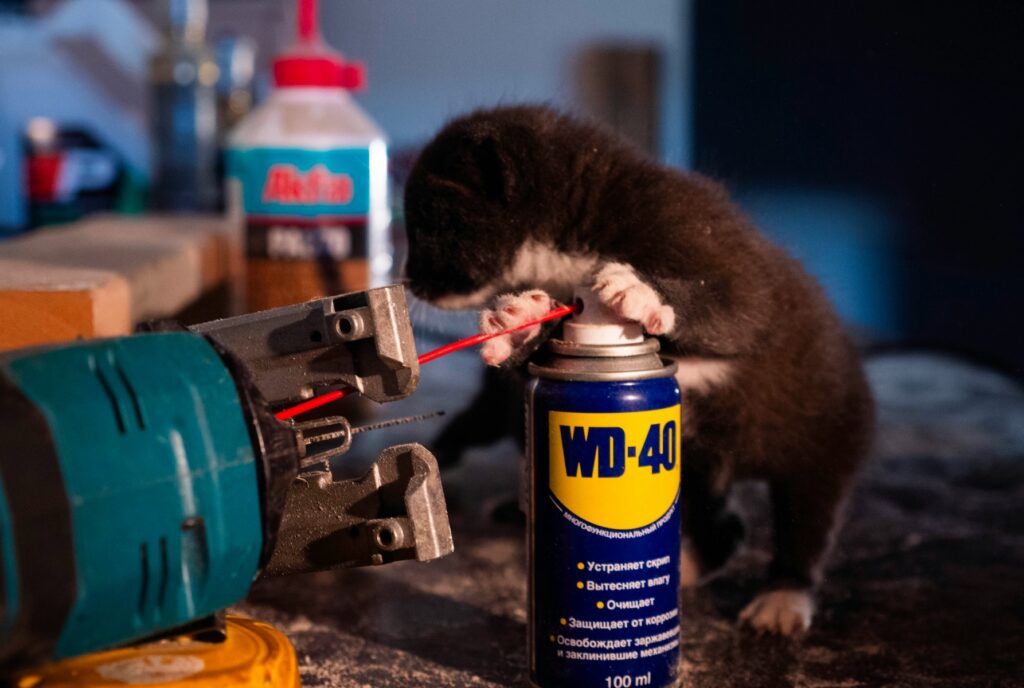
Photo: Ансплэш Степана on Unsplash
Hand Tools:
- Multi-bit screwdriver—standard (aka slotted or flathead) and Phillips.
- Adjustable wrenches in small, medium, and large. (These can replace a whole set of metric wrenches, saving precious weight and space.)
- Socket and ratchet set—both metric and standard, since RV manufacturers apparently flip a coin for every fastener.
- Allen/hex key set
- Needle-nose pliers, standard pliers, and vice grips
- 16-oz claw hammer
- Utility knife with extra blades
- Tape measure
Photo: Sachith Ravishka Kodikara
Supplies and Consumables
- Assorted nuts, bolts, screws, and washers. And for goodness’ sake, if you find one lying on the ground in or around your rig, don’t just toss it before you figure out if you’re the one who lost it.
- Electric tape
- Plumper’s tape (Teflon/thread seal tape)—which can also be used to seal a leaky campground spigot before you connect your water line
- Light-gauge baling wire or paracord
- Disposable nitrile gloves (for those less-than-glamorous jobs)
- Cut-resistant work gloves (for the sharp metal jobs)
- LED headlamp—two free hands after dark really come in handy
- Kneeling pad—gravel and concrete have no mercy, especially on aging joints
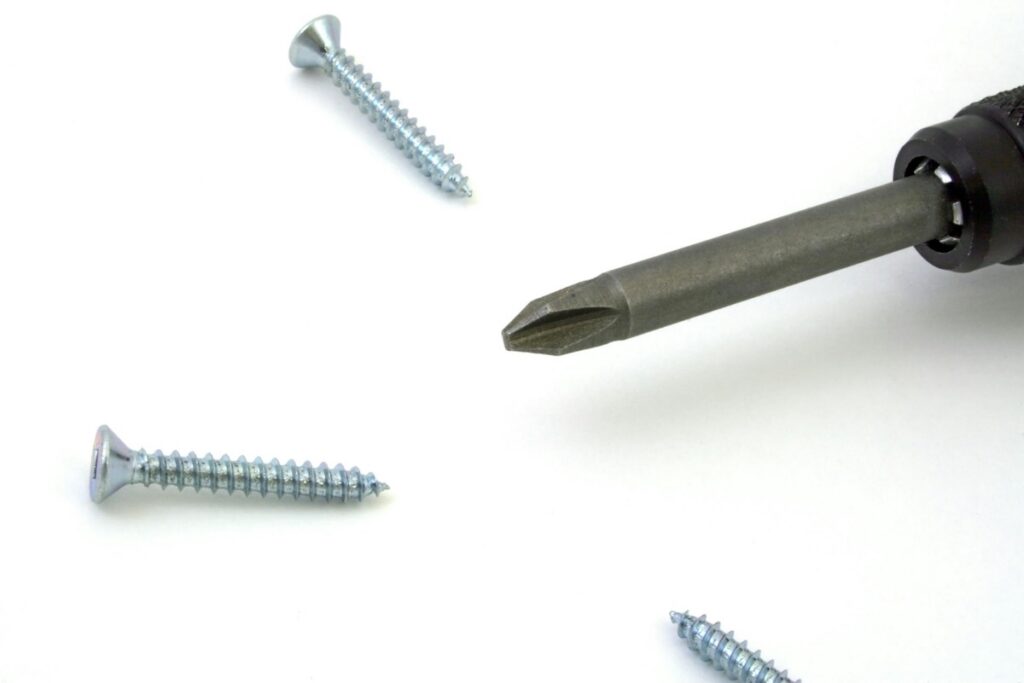
Photo: 500photos.com
The Roof, Seals, and Water Kit
Water damage can very quietly destroy an RV, slowly rotting away the walls, warping floors, and turning your beautiful rig into an expensive project. Veteran RVers will warn you: inspect your roof seals regularly. And carry the stuff to fix them on the road, so they don’t have a chance to get worse.
- RV lap sealant (Dicor is the brand most trusted by most RVers) + a caulking gun
- Caulk scraper/removal tool
- Seal-adhesive roof patch tape (butyl-backed, waterproof—unlike duct tape, the underside has a putty sealant for a truly watertight fix)
- Awning repair tape (it’s clearer and stronger than duct tape for fabric repairs)
- Portable ladder (if your rig doesn’t have a built-in one). Roof access is necessary for inspections and repairs.
- Drop cloth or tarp, which doubles as ground cover when you’re crawling underneath your rig in a parking lot or the side of the road.

Electrical
- Multimeter—lets you test voltage and continuity like someone who knows what they’re doing (even if you’re watching YouTube tutorials at the same time—how did we survive without them?)
- Wire stripper/cutter combo
- Assorted wire connectors and butt splices
- Spare fuses in the sizes your rig uses—RV gas alarms are notorious for failing early and are a simple wire-swap if you’re prepared
- Spare LED bulbs
- Surge protector—campground power can be unpredictable at best. Make sure you protect your electrical system at the source.
- 30- or 50-amp rated extension cord (know which your rig uses)
Photo: Charles Criscuolo
Plumbing
For many of us, “roughing it” has its limits.
- Plumber’s tape (yes, it’s already listed; that’s how important it is)
- Replacement hose washers—these tiny circles cause big headaches when they fail or roll away
- SharkBite-style push-fit pip couplings—no soldering, no special skills. Just push and fix
- Small pipe wrench
- Spare water filter
- Basic water pump parts (impeller, pressure switch). Why do water pumps always fail at the most inconvenient times?
- RV dump gloves. Make sure they’re dedicated, clearly labeled, and never mixed up with your other gloves. Ever.

Tires and Road Safety
RVs are hard on tires. Blowouts happen, and being prepared can mean the difference between a quick fix and a very expensive tow. Not our favorite way to spend our limited vacay time.
- Tire pressure gauge—check pressures before every drive. Under-inflation is a leading cause of blowouts. And it also decreases fuel economy.
- Portable air compressor/inflator
- Tire plug/patch kit—sometimes it’s possible to fix it rather than replace it
- Lug wrench in the correct size for your rig. Yes, this sounds obvious—until you’re standing by your rig with the wrong size in hand.
- Torque wrench—manufacturers recommend checking lug nut torque after any tire change
- Wheel chocks
- Bottle jack or hydraulic jack rated for your rig’s weight
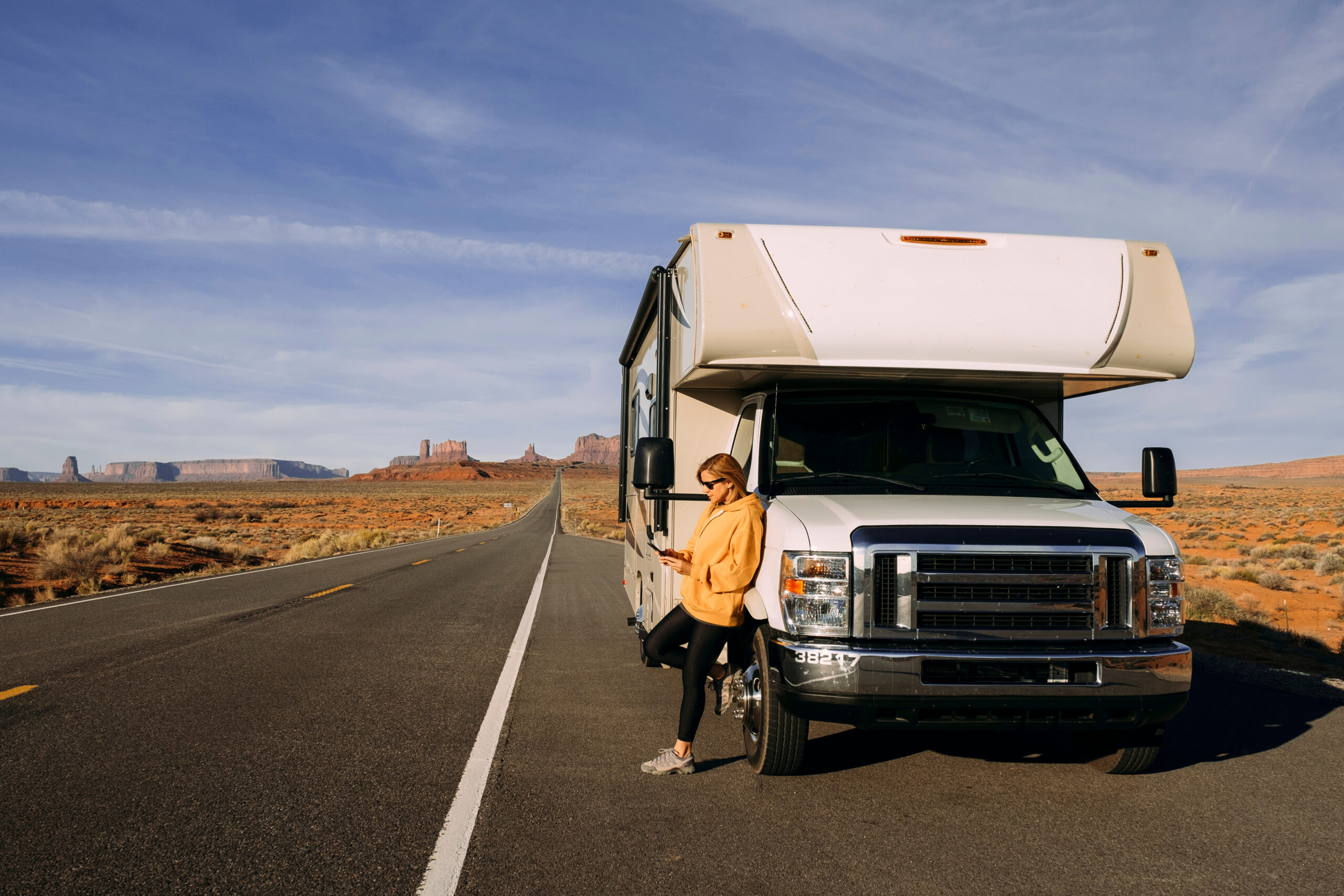
Motorhome and Van Owners: Have Engine, Bring Supplies
So, your living room also has an oil filter. That means you need to be prepared so you don’t lose your wheels and roof at the same time.
- Engine oil + funnel
- Coolant
- Power steering and brake fluid
- DEF fluid (for diesel owners)
- Windshield washer fluid
- Jumper cables or, better yet, a portable jump starter
- Spare serpentine belt—this item has rescued a surprising number of road trips
- Automotive fuses (match your chassis specs)
- Manual slide-out crank in the right socket size. Make sure you know how to operate your slide manually before the motor dies with it extended at the campsite
- Manual awning crank (same principle)
One reader wrote in warning about a gas line break. This isn’t on many radars. If you don’t have the specialized tools on board for more specific repairs, it’s a good idea to know where the nearest auto parts store (e.g., NAPA).
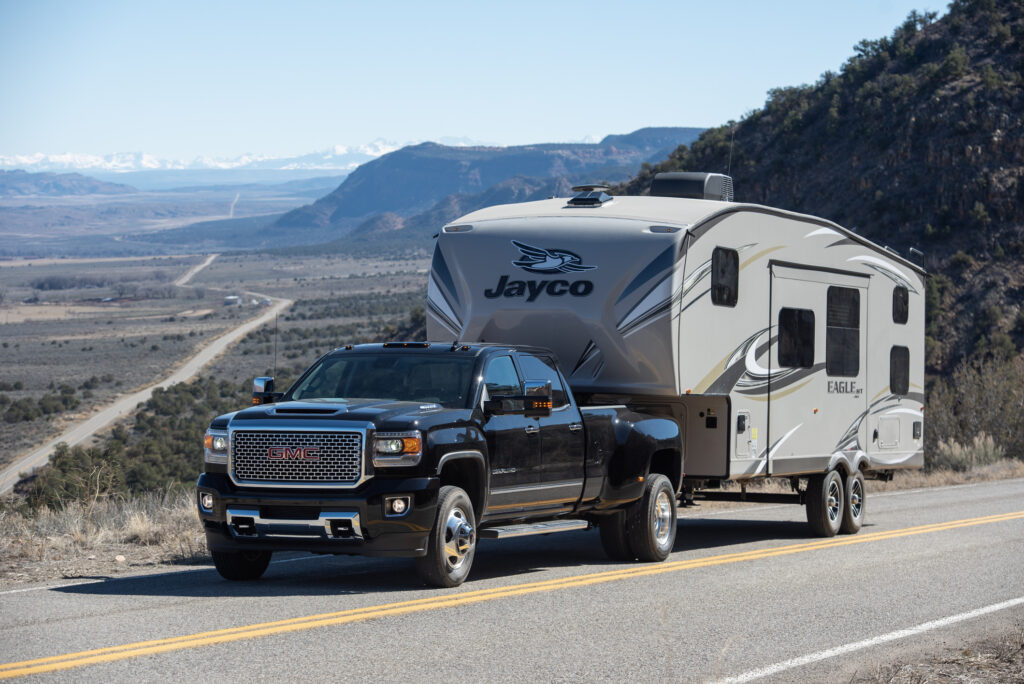
Towable Owners: Trailers and Fifth Wheels Can Come with Their Own Type of Drama
You may not need to worry about engine repairs, but trouble can still lie on the road ahead.
- Spare trailer light bulbs and pigtail connector—trailer lighting gremlins are practically a rite of passage
- Bearing grease + bearing buddies—pack bearings regularly. Long-time RVers warn: neglect them at your own peril.
- Spare breakaway cable—this is required safety equipment. Make sure you have a backup.
- Spare hitch ball and coupler latch pin
- Lubricant for slide rails and seals
- Weight distribution system tools (if your setup uses one)
- Manual slide-out crank (in the correct socket size for your model)
Bonus Camp “MacGyver” Kit
This stuff doesn’t fit neatly into any category, but it earns its place in your storage bay:
- Bungee cords (bring assorted sizes and pack more than you think you need)
- Multitool (Leatherman-style). Clip it to your belt, and you’ll immediately look and feel more competent.
- Velcro extreme mounting tape for anything you’ll eventually want to remove. Unlike duct tape, which can be more of a commitment.
- Small flashlight and backup batteries
- First aid kit—humans sometimes need to be repaired too
- Folding step stool

Photo: Annie Spratt on Unsplash
Your Secret Weapon: Non-Tool Tools
Some of the best tools aren’t found at the hardware store.
Cash: As one of our wise full-time friends put it: “The most essential item in my toolbox is some cash in case I need some help from the neighbor in the next site.” The RV community is famously generous, but a little appreciation goes a long way. And the neighbor with the part you need, the right-sized socket, or the 20 (or was that 30?) years of diesel engine experience might be parked 20 feet away from you right now.
Beyond cash, please don’t underestimate the power of:
- Your smartphone. YouTube tutorials have saved countless RV vacations. Rest assured, no matter what’s broken, someone somewhere has already filmed themselves fixing it.
- An RV roadside assistance membership. Good Sam, AAA RV, and Coach-Net all offer solid coverage when you’re out of duct tape and ideas. Don’t forget to check your existing car/homeowner/rental policy to see if this is a possible add-on. With bundling, sometimes you can get a better deal.
- Your owner’s manual. No, it’s not the most riveting, but read it. It costs way less than an unnecessary $3,000 repair bill.
- Emergency contacts. Accidents don’t just happen to your rig, they can also happen to you. Put together a list of local urgent care facilities and emergency rooms for you and your pets.
A Quick Note for Newbies
Okay, this list looks long. It is long. You don’t, however, need to buy everything before your first trip. Start with a solid basic hand tool kit (~$50 – $100 covers the essentials), add in the most important consumables (duct tape, zip ties, lubricant, sealant, plumber’s tape, electrical tape, and gloves), and build from there. Every trip teaches you something. Every repair makes you more capable. And every experienced RVer started where you are now.
The Bottom Line
The RVers who have been stuck on the side of a highway, crawled under their rig in a grocery store parking lot, or patched a roof leak in the middle of a downpour wear these stories as the badge of honor they are. Because they took care of business. They were prepared or at least they figured it out and were able to move onto the next campsite. Because that’s what this life is all about.
Okay, I need to run and check our duct tape supply… Less than half a roll means it’s time to restock.
What’s your can’t-leave-home-without-it tool? Drop us a note. Bonus points for the story that made it essential!