At some point, you made the decision to trade up. To move from tent stakes and a sleeping bag on the ground to a more comfortable rig—with a roof and walls to protect you from the elements, an efficient kitchen to prepare delicious meals, and (hallelujah!), a real, honest-to-goodness bed. No more waking up with a rock imprinted deep into your hip or a pinecone stuck between your shoulder blades. No more unzipping to crawl on creaking knees across the hard ground for an early morning bathroom break. You’ve made it.
Then… you slept on your RV mattress for the first time.
Wait. Wasn’t this supposed to be comfortable? A way to wake up feeling truly refreshed?
If your experience was anything like most RVers, you instead woke up wondering if someone had swapped your mattress with a sheet of plywood. It’s certainly firm enough.
Yep, factory RV mattresses are, to put it mildly, placeholder furniture. The sleep equivalent of fake fruit in a kitchen bowl. Yes, they look real enough. They’re placed where a real mattress should go. But actually sleep on one for a weekend trip—much less a week or months on the road—and you’ll find yourself Googling, “why does my back hurt?” as you sip on your morning coffee.
At least the view is amazing.
But there’s good news. Your mattress is one of the easiest upgrades you can make to your RV. If you want to start fresh, look at RVs that come with a king-size bed It’s also one of the most worthwhile! After all, a great night’s sleep isn’t just about comfort. It’s about safety. And it makes tomorrow’s hike, kayak trip, or chill afternoon around camp truly enjoyable.
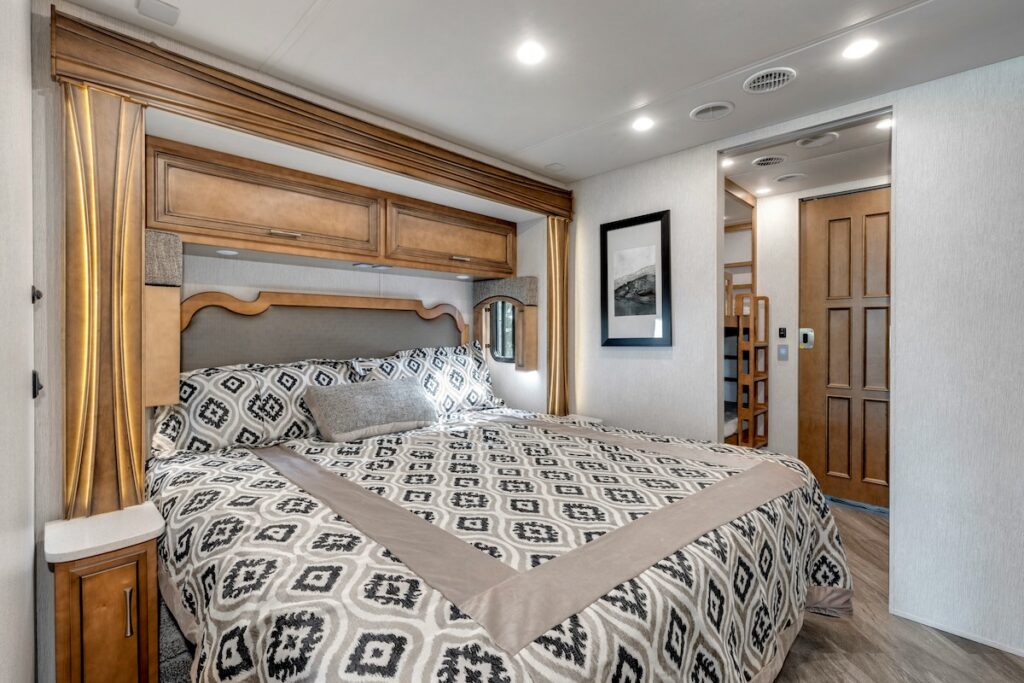
Photo by Paul Kansonkho on Unsplash
Why RV Mattresses Are Almost Always Terrible
While there are notable exceptions, many RV manufacturers appear to cut corners on mattresses for good reasons: the cost, the weight, and the fact that most buyers are so dazzled by the roomy layouts (and slide outs) and efficient kitchen galleys, they barely notice the bed—much less lie down and test it.
So, a mattress that’s too thin, too firm (in all the worst ways), and somehow rock hard and structurally unsupportive at the same time, gets overlooked. New RVers commonly complain about chronic back pain, restless nights, and the sad misery of waking up more tired than when they went to bed before a long day on the road or out adventuring. Not exactly the dream (pun so intended) they had when they made this big purchase. Thousands of dollars invested into the RV experience, and the one thing you’ll use every single night is a mere afterthought.
You don’t, however, have to keep the same bed. And many RVers don’t. First, though, you want to do a little research.
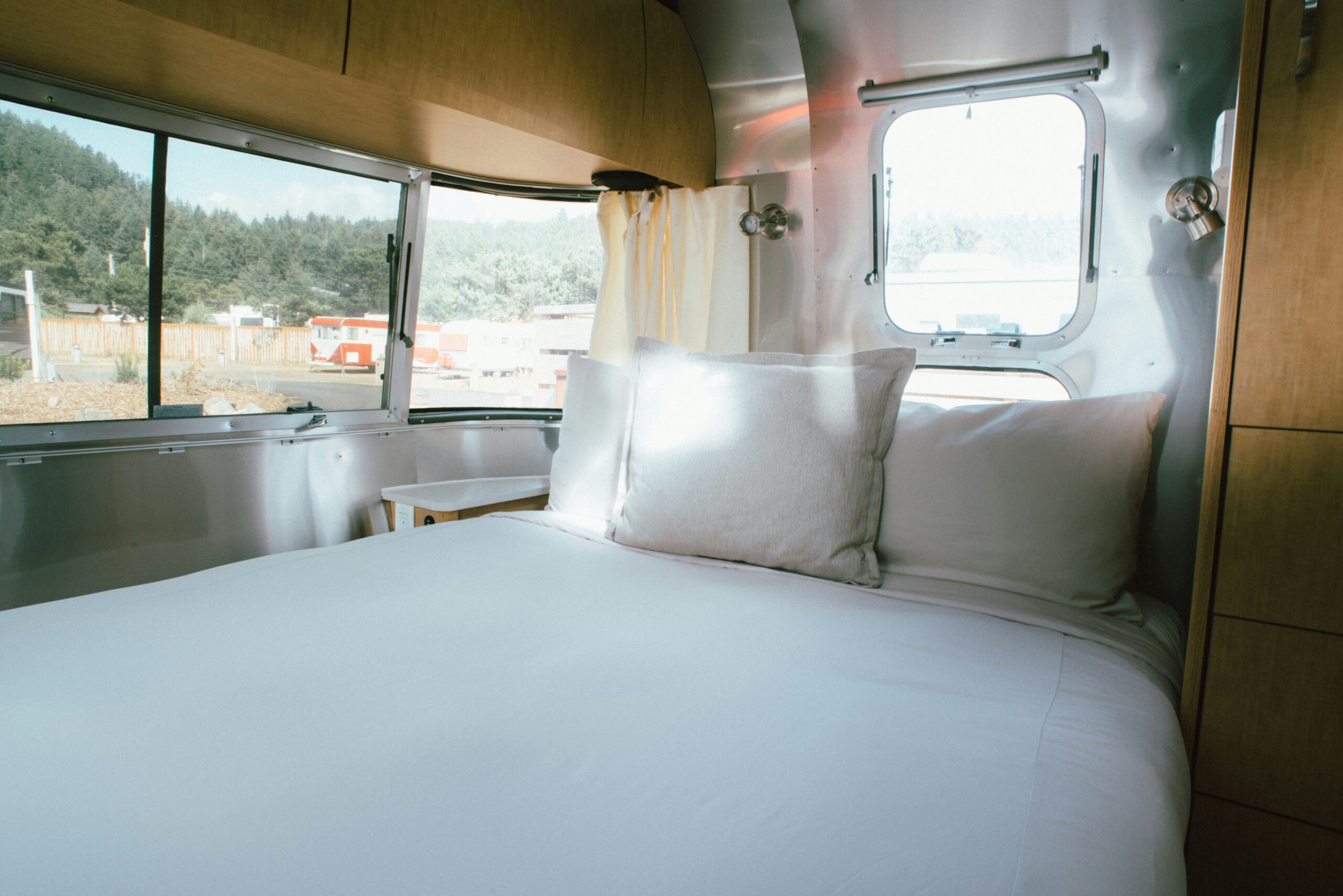
Photo by Blake Wisz on Unsplash
Before You Buy the Best RV Mattress 2026…
Shopping for a home mattress can be overwhelming. Shopping for an RV mattress adds even more wrinkles. That starts with the size.
Measure Twice, Buy Once: RV beds don’t always follow standard mattress dimensions. A standard queen is 60” x 80”, whereas an RV short queen measures 60” x 75”. If you’re looking at cab-over beds, bunk beds, or dinette conversions, the sizing can be even more wonky.
Take the time to measure your sleeping space carefully. Not just the length and width but the depth of any recessed platform. And do that before you start the buying process. Purchasing before you have the numbers right can lead to expensive, time-consuming, frustrating mistakes.
Watch the Weight and Height. You may be tempted to get the same bed as you have at home—especially if it’s wonderfully comfortable and familiar. But some beds can add significant pounds and inches that can create real problems when pulling an RV. The extra height can make getting in and out of bed more like pole vaulting than sliding in for the night. And the wrong mattress can also interfere with slide-out clearance or put you uncomfortably close to the ceiling. Few of us want mere inches between our noses and the ceiling or to wake up suddenly only to conk our heads.
Weight is also always a consideration as it affects your rig’s overall load and balance. Check out all of the specs before you commit.
A few more things to consider beyond the size and weight:
- Sleep position—side sleepers are more comfortable with pressure relief at the hips and shoulders. Look for medium to medium-soft options. Back and stomach sleepers, on the other hand, are often more comfortable with firmer support, which keeps the spine aligned.
- Hot sleepers—RVs can hold in the heat—especially in the summer. And the AC may not always be available (especially if you’re boondocking). If you already sleep hot, look for mattresses with cooling gel foam, breathable latex, or hybrid construction that allows for greater airflow.
- Motion transfer, especially if you’re sharing your bed. Memory foam absorbs movement better, so even if your partner is restless at 2 a.m., you’re more likely to sleep right through it.
- Edge support. RV beds are often narrower than what you’re used to. Good edge support means you’re not rolling toward the side with every shift.
- Off-gassing. New mattresses—especially foam options—are notorious for their noticeable chemical smell. In a confined space (say, an RV), that smell can linger. Look for CertiPUR-US certified foams. And if at all possible, let the mattress air out well before you gear up for your first trip.
- Budget is always top of mind. A quality RV mattress can run anywhere from $300 to over $2,000. Know how much you want to afford going in. But also remember, a good mattress is worth the investment.

The Best RV Mattresses for 2026
A few RV mattresses are highly rated by RVers.
Brooklyn Bedding earns the top spot for several reasons that specifically appeal to RVers: they offer a variety of sizes, including non-standard dimensions suitable for various rigs; their mattresses are well-built without being overly heavy; and the quality-to-price ratio is pretty darn good. Their flagship hybrid mattress is made with foam comfort layers over individually wrapped coils, offering the sweet spot between pressure relief, support, and airflow. It sleeps cool, holds its edge, and consistently receives high marks from real-world sleepers.
GhostBed is a strong pick for hot sleepers. Its latex and cooling gel foam construction actively fights heat retention, which makes a real difference when the temps run high. It’s also durable and supportive. Back sleepers find it to be a particularly good match.
Sleep Number beds are a compelling option for couples with different sleep patterns. You’re able to dial in different firmness levels on each side, eliminating the classic give and take problem when one partner prefers a plush mattress and the other finds firm more to their liking. This bed again has a higher price point, and the components increase the weight. So, there are a few more considerations to factor in. But especially if you spend a lot of nights on the road, it can be a genuinely comfortable option for couples.
High-Quality Foam Mattresses may be simple, but they shouldn’t be overlooked. You can find exceptionally affordable options from a number of retailers, including IKEA. Some foam mattresses can even be trimmed to a custom size if your RV dimensions are a bit funky. That offers greater allowance than a traditional or even RV mattress. Again, measure twice, cut once.
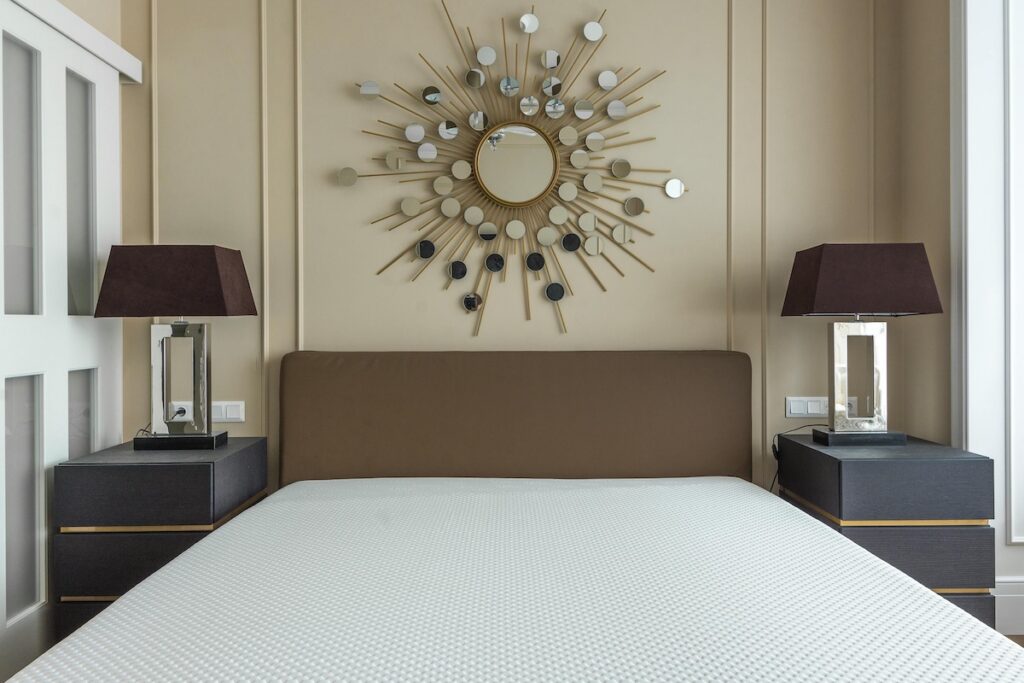
Not Ready to Replace a Whole Mattress?
Maybe you’re mid-season, mid-budget, or just not sure a full replacement is necessary. A quality mattress topper won’t transform a truly terrible mattress into a great one. But it can make it more comfortable, taking the edge off (literally), and buying you a better night’s sleep. Often for a fraction of the cost.
Top picks for mattress toppers include:
- Tempur-Pedic TEMPUR-Topper Supreme: Offering significant pressure relief, this is a good option for side sleepers and those dealing with joint pain. It’s a bit of a splurge option, but RVers will tell you it earns its keep.
- Saatva Graphite Memory Foam Topper: Another great option for hot sleepers, the graphite-infused layer actively draws heat away. This topper also provides a luxurious feel while being a bit more affordable.
- Lucid 3” Gel Memory Foam Topper: This budget-friendly workhorse is widely available, easy to find, available in various sizes, and provides a good amount of comfort for the price.
- Natural Latex Topper (Pure Green Natural Latex and similar brands): If you want to avoid synthetic foam, this is a great option. It’s naturally cooling, durable, and responsive. Plus, it avoids that slow “sink” feeling common with memory foam.
Remember, toppers also add height. Check the specs before you buy and ensure your fitted sheets are deep enough for the extra inches. And again, watch your ceiling or cabinets—we don’t want you bumping your head in the middle of the night!

A Worthwhile Upgrade
Hey, you graduated from tent camping for a reason. The whole point was to stop waking up stiff, sore, and vaguely resentful of the great outdoors. Plus, you want to feel good enough in the mornings to take on whatever adventures come your way.
Don’t let a bad factory mattress drag that tent-camping misery into your RV with you. Measure your space, think about how you sleep, and invest in something designed to give your nights the dream-like quality you long for.
And if you’ve found a better mattress option or an RV that comes with a decidedly comfortable bed, please let us know so we can include it in future updates (or upgrade our own nights).