You’ve just enjoyed some soul-feeding days at the campsite. The peace and quiet were exactly what you needed to restore your sanity, lower your blood pressure, and connect with what’s most important. Even the weather agreed. But now it’s time to move on. There’s only one problem. As you’re packing up to go, you press the button to retract your slide, and… nothing. Or worse, it groans, stutters halfway in, and stops. Suddenly, your departure plans are on hold, and all that peace is slipping away as the stress levels peak. Because the RV slide-out is not working. Ack.
Many RVers consider slide-outs one of the greatest additions to RVs. The instant increase in square footage with just the touch of a button: magic. Unfortunately, it can also be one of the most common stressors.
Take heart: you can diagnose most slide issues, fix many right on the spot (at least long enough to get home), and best of all, almost all are preventable. It just takes a little routine attention.
Let’s slide into what’s going on with your RV, what type of slide you have, what’s most likely going wrong, and how to troubleshoot and get back on the road.
Know Your Slide
Before you can fix an issue, you need to know what you’re dealing with. RV slides come in a few different varieties. The type you have will help you figure out the right solution.
- Electric motor slides are the most common in modern RVs. A 12-volt motor drives a rack-and-pinion or cable system to push the room in and out. They’re popular because they’re reliable and usually pretty easy to troubleshoot. Most issues come down to power or mechanical jams.
- Hydropic slides are found most often in larger coaches and fifth wheels. They use fluid pressure to move the room, and they tend to be powerful and smooth operators. Unless, that is, you have a fluid or pump issue. (Then you’ll likely need a trusted professional in your corner.)
- Cable-driven and rack-and-pinion systems also have their own quirks. For instance, cable systems can stretch or fray over time. Rack-and-pinion setups are sturdy but are also vulnerable to debris buildup and lubrication neglect.
Before you start trouble-shooting, the first thing you’ll want to do is pull out your owner’s manual (you did keep it handy, right?) and double-check which type you have.
The Most Common Slide Issues at A Glance
Slide gremlins come in a wonderfully wide variety. Here are some of the most common ones:
- The slide won’t retract, which can be the most stressful. You need it to move, so you can move. And it’s not cooperating.
- The slide won’t extend—a less urgent issue but one that can make your RV feel a lot tighter than you prefer.
- Slow or jerky movements that indicate that something’s clearly not right.
- Grinding or squealing noise. It’s your slide’s way of communicating: Listen up.
- Gaps in the seal, allowing air, water, or even unwanted critters to find their way into your rig.
- Motor runs but the slide doesn’t move, suggesting the electric side is working but the mechanical side is not.
Any of these sound familiar? That’s a start—let’s figure out what’s happening.
Diagnose Why Your RV Slide-Out Is Not Working First
There are those among us who, upon finding an issue, are ready to pull up their sleeves and start pulling things apart or hitting them with a hammer. We applaud your enthusiasm. But this isn’t the time. Instead, take a breath and start by working through the basics. A surprising number of slide problems have a simple explanation.
Power first: Grab your multimeter—one of the most useful tools you can keep on your rig—and check your battery voltage. Slides need adequate 12-volt power to operate properly. And a weak or partially discharged battery is behind more “dead slide” calls than you’d think. While you’re at it, check your fuses and breakers. A blown fuse is typically a quick fix.
Listen and learn: It can be tempting to just keep pushing the button, praying it works this time. Resist and instead peer under and around the slide, seeing if there’s anything obvious—a wayward stick, some built-up debris, or a little rock jamming up the works. While you’re there, look for any visible damage, such as a bent track, broken rollers, or any cracks, flattening, or spots on the seal. A compromised seal may not stop the slide from moving, but if ignored, it will lead to bigger issues.
Check for error codes: Many newer systems have helpful controllers that tell you what to look for with fault codes. If yours does, use your handy manual to determine what the issue is before assuming the worst.
Slide Into the Details for Troubleshooting
It’s time to get specific.
Power and electrical issues: If the slide isn’t responding at all, start at the battery (12.4 volts or higher is your target). Then check the breakers at both the main panel and the slide motor. Corroded connections are sneaky culprits—a little dielectric grease on connections during routine maintenance goes a long way toward preventing this. If power checks out but the slide still won’t respond, the motor controller may be the issue. Unfortunately, that’s usually a job for the professionals.
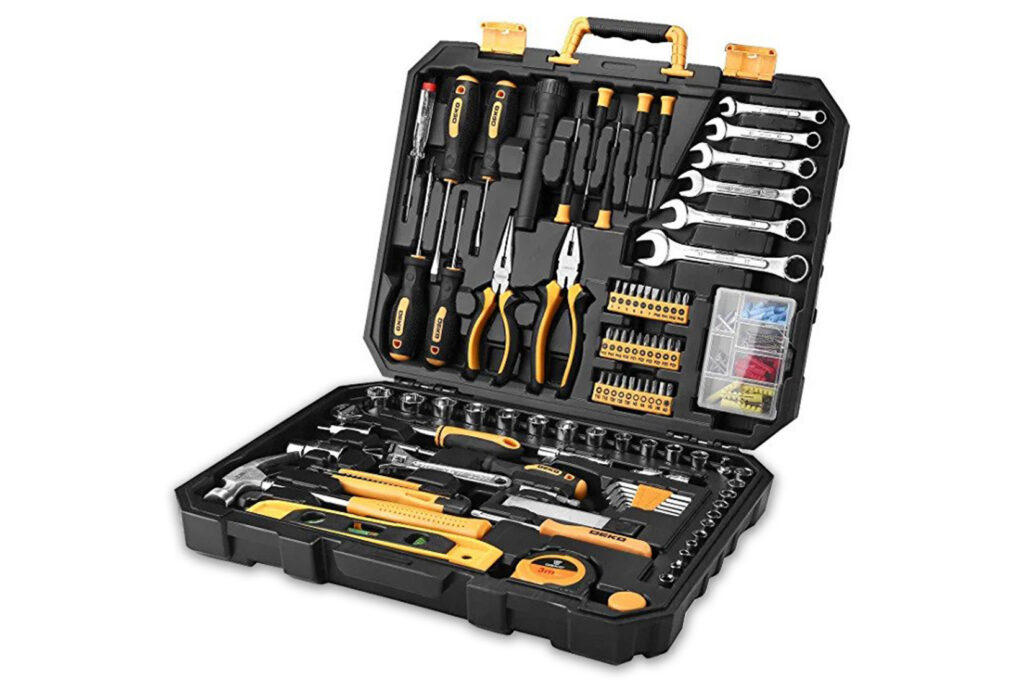
Mechanical jams: If the motor is running but the slide isn’t moving—or is moving unevenly—something mechanical is in the way. Clear any visible debris first. On rack-and-pinion systems, check the gear for buildup or damage. On cable systems, inspect for fraying or slack. A basic socket and wrench set will help you access motor mounts and slide hardware if you need to get closer. Of course, a good headlamp is worth its weight in gold as slides have a lot of shadowy, hard-to-reach components. Fortunately, most RVers already carry this essential gear.
Hydraulic issues: If you have a hydraulic system, check the fluid level first. With the slide retracted, the reservoir should be within about an inch of the top. A small bottle of Dexron VI ATF (the red color makes it easy to spot in the reservoir) is cheap insurance to keep on board. Standard hydraulic fluid or ATF are widely interchangeable for most RV systems, but check your owner’s manual for your manufacturer’s spec. Low fluid is the most common cause of slow or unresponsive slides. If the fluid looks fine but the system is sluggish, the pump may be struggling, which again means it’s time to call a tech.
Noise: Grinding usually points to a lubrication issue or worn rollers. Squealing often means dry seals or track. Use a dry lubricant—white lithium grease or silicone spray tend to work well—on tracks and rollers. Avoid petroleum-based products on rubber seals as they can degrade over time, only making your seal problem worse.
Seal and gap problems: It’s no secret that dirty seals don’t seal. Which is why it’s a good idea to clean them regularly with mild soap and water and then treat with a rubber conditioner to keep them pliable. If a seal is cracked or pulling away, replace it before your next trip—water intrusion is far more expensive than a new seal.
Emergency Retraction: Getting It Closed
Sometimes you just need to get moving, and “troubleshoot it properly” isn’t an option. Time is of the essence. That’s what manual override is for.
Most electric slide systems have a manual override—typically operated with a hand crank or a drill with the correct bit attachment. The location and method vary by manufacturer, so now is a great time to find that section in your owner’s manual before you’re standing in a campsite at checkout time trying to figure it out.
A few things not to do: don’t keep cycling the motor if the slide isn’t responding. You risk burning it out. Don’t force the slide manually without disengaging the motor first. And don’t drive with a partially extended slide, even “just a little.” Even a few inches out can cause serious structural damage.
Manual override gets you home. But it doesn’t fix the problem. Once you have safely parked, it’s time to make an appointment with your RV technician—before your next adventure can begin.
Prevention Is the Best Medicine
If you want to save yourself a lot of grief (and money) and prolong your campsite peace, it starts with a good maintenance plan. Most slide problems don’t appear out of nowhere. They develop over time, often paired with a touch of neglect. Maybe because you didn’t know you needed to do it. Maybe because you put it off for just a little longer. (We’re all busy.)
It’s worth setting aside just a bit of time to:
Clean and lubricate regularly. Wipe down the slide tracks, rollers, and seals every few months, more often if you’re camping in dusty or sandy environments. Apply silicone spray or white lithium grease to moving parts. Keep rubber seals clean and conditioned.
Mind the extension. Always extend and retract your slide on level ground. Even if you arrived at your campsite late. An unlevel rig puts uneven stress on the mechanism and accelerates wear. If you have to, wait until the next day to level your RV and then extend your slides.
Check before you extend. Birds, mice, and squirrels are surprisingly fond of slide-out tracks. Take a quick look before you hit the button, especially after the rig has been sitting.
Inspect seals annually. Make it part of your spring prep. Catching a cracked seal early costs almost nothing. Ignoring it until water has found its way into your walls or floor is a different story entirely.
Don’t leave slides extended long-term. If your rig is sitting in storage, retract the slides. Extended exposure to UV, weather, and critters takes a toll.
When to Call a Pro
DIY goes a long way if your RV slide-out is not working, but as with anything, there are times to hand it off to the pros. Call a technician when you’re dealing with hydraulic system failures, motor or controller replacement, structural misalignment (if the slide is visibly off-track or dragging), or any electrical issue you can’t trace with your multimeter. If you’ve worked through the basics and still can’t identify the problem—that’s also the answer.
A good RV technician has seen every slide issue imaginable. There’s no shame in letting them earn their hourly rate.
Keep on Rollin’
A well-maintained slide is a slide that works when you need it to. That is, always and especially on departure day. A little routine attention, the right supplies on board, and a basic understanding of how your system works will take you a long way.
The road (and your sanity) is waiting. Don’t let a slide issue keep you from it.