For those of us who are into American history, 2026 is shaping up to be one heck of a year. July 4th, of course, we celebrated 250 years of Independence. And this November 11, there’s another big milestone: 100 years ago, the U.S. Highway System officially designated Route 66.
Two historic anniversaries in one calendar year.
If you haven’t yet taken a drive down the Mother Road, this may just be the year to do so—or at least to get it on the calendar.
What Is Route 66?
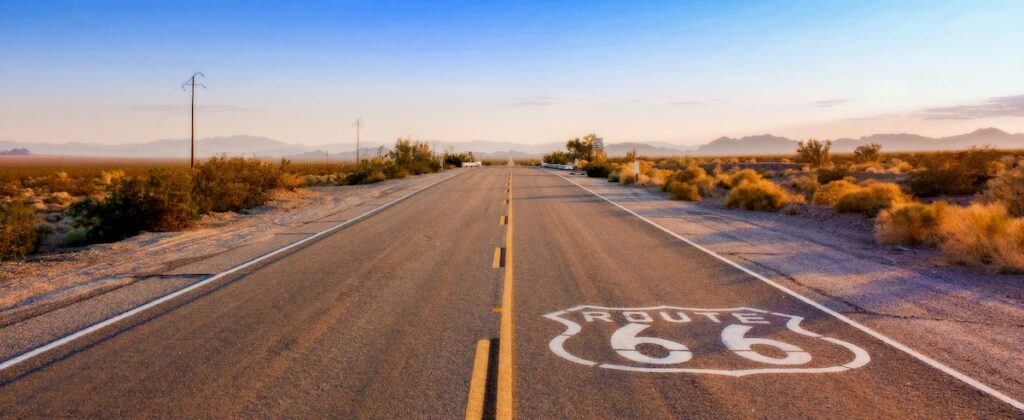
Many of us have heard the name “Route 66” all our lives but never really pinned down what it is. So, here’s the short version: Route 66 is roughly 2,400-miles of road that connects Chicago, Illinois, to Santa Monica, California, crossing eight states: Illinois, Missouri, Kansas, Oklahoma, Texas, New Mexico, Arizona, and California.
It earned the nickname “the Mother Road” from renowned American author John Steinbeck in his classic novel The Grapes of Wrath, as it played a key role in shaping mid-20th-century America. It carried migrants west during the Dust Bowl years and later became the backbone of the great American road trip when car culture roared to life after World War II.
Much like the railroad that came before it, small towns grew around it. Diners, motor courts, and gas stations sprang up to serve countless travelers for decades.
Lest you think it was a glamorous ride from the very beginning, it’s worth remembering that when the road opened in 1926, only about a third of it was paved. The rest was gravel, dirt, and even some wooden planks. So even if some of the road is a little rougher in parts, it’s still likely better than what the original travelers experienced.
Route 66: A Short History
There are three real chapters to the Route 66 story:
- The Golden Years: From 1926 through the postwar boom, Route 66 was America’s primary westward artery—carrying Dust Bowl families toward California to escape in the 1930s. A decade later, vacationing families drove west just for fun.
- The Decline: In 1956, President Dwight D. Eisenhower signed the Federal-Aid Highway Act into law, kicking off the interstate system we know today. Sadly, this act also slowly siphoned traffic away from the old two-lane road. And by 1985, Route 66 was officially removed from the Highway System altogether. It was no longer an official route on any map and became a nostalgic memory for too many.
- The Revival. That could have been the end. Instead, Route 66 (and the people who loved it), gained new life. Parts of Route 66 became historical landmarks. The first Historic Route 66 Association was founded in Arizona in 1987. This sparked a grassroots preservation movement that spread state by state. By 1999, the Route 66 Corridor Preservation Program was established to help fund restoration of the road’s many historic sites. The momentum has continued to build, and in December 2020, the Route 66 Centennial Commission Act was signed into law—paving the way for the national celebration this year.
RVing Route 66: Why It’s Such an Iconic Journey
Plenty of roads across the Americas have stunning scenery. But Route 66 has something extra: history combined with a delightfully relaxed pace.
With two lanes, the road is built to help you slow down, take a look, and pull into a small town just because a neon sign caught your eye. You don’t travel this route to make the best time to your next destination. You travel it because sometimes it is better to travel than to arrive. And taking it slower makes it easier to see everything along the way.
Small towns are dotted with vintage motor courts and diners that have been serving RVers and road trippers alike since long before you, your parents, and perhaps even your grandparents, were driving.
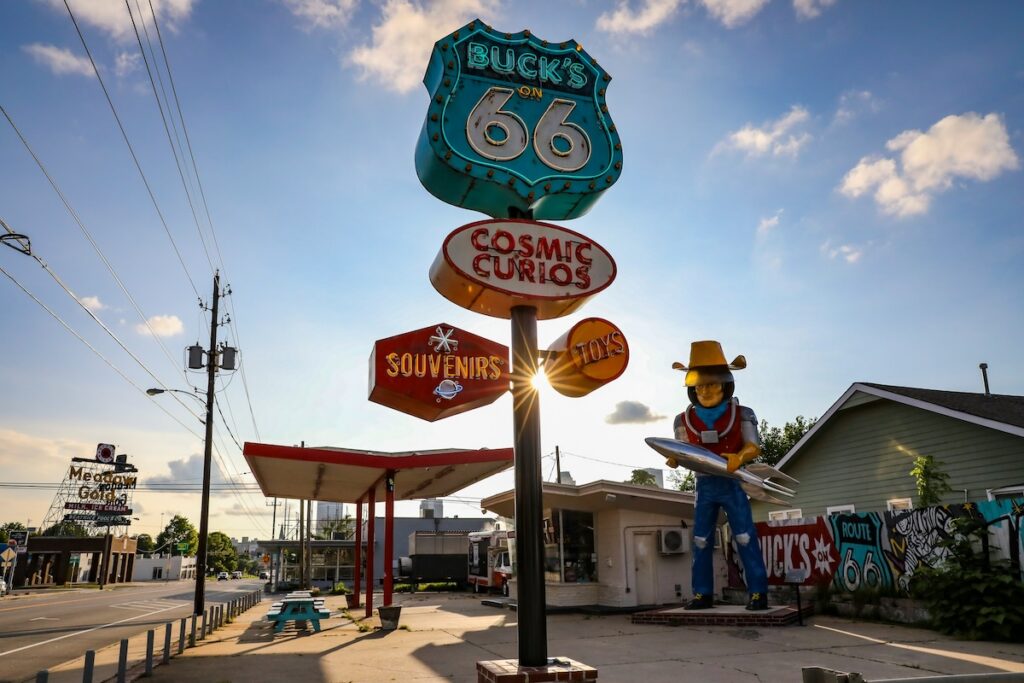
Roadside oddities—from giant whales to muffler men to bottled trees—exist simply because someone wanted to give drivers a good reason to pull over.
Many RVers describe Route 66 as close to perfect with no shortage of overnight stops, no pressure to see how many miles you can cover in one day, and built-in excuses to detour to a place you’ve never even heard of just to see the “World’s largest” something.
When traveling the route, it’s easy to imagine a simpler time (though not necessarily an easier one).
2026: The Centennial Celebration
If you’ve been holding off on traveling the Mother Road, this may just be the year to do it. Congress authorized a dedicated Route 66 Centennial Commission to help coordinate events nationally. Plus, every state along the route also has its own commission and lineup of events. So, no matter which part of the road you drive, there’s a good chance you’ll roll into a celebration.
Since November 11 is the actual anniversary of the 1926 designation, we expect the biggest crowds in November, but events have been taking place all summer to celebrate.
With bigger crowds, of course, comes the highest demand for accommodations. So, campground accommodations may be more challenging. Keep that in mind before you hit the road.
66 Reasons to Get Your Kicks on Route 66
Route 66 still maintains its magic—not just because of its history but also because of the simply strange and wonderful stops along the way.
To honor and celebrate the Mother Road’s 100th birthday, here are 66 reasons to put RVing Route 66 on your list this year, next year, or as soon as you get the chance.
Illinois: The Start
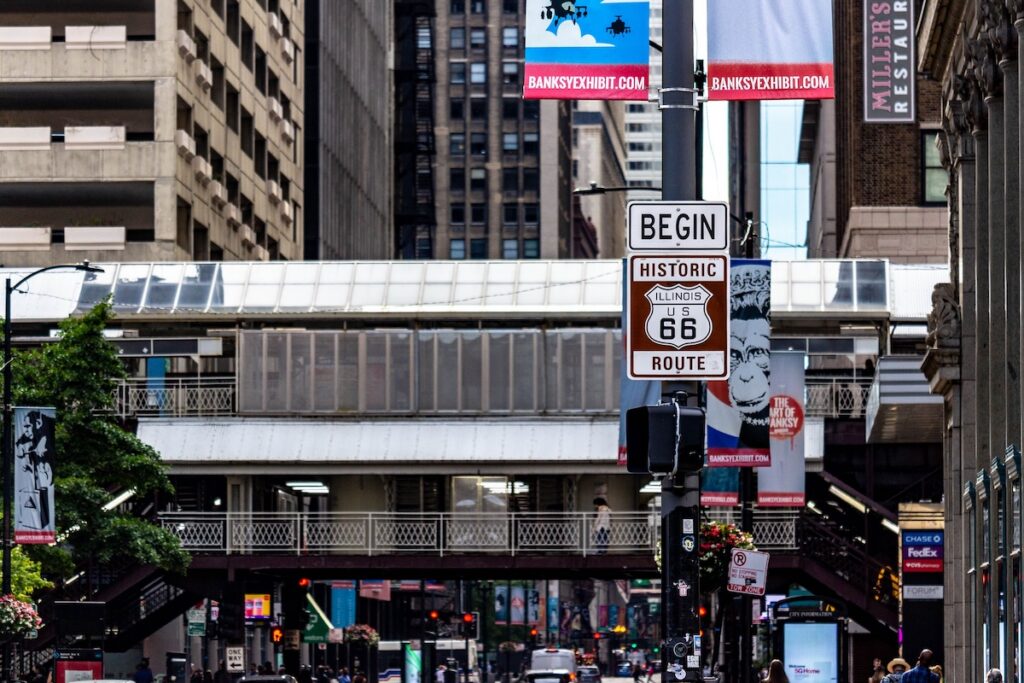
- The “Begin Route 66” sign, Chicago. The road officially starts at 122 S. Michigan Ave. near East Adams Street, across from the Art Institute in downtown Chicago.
- Lou Mitchell’s, Chicago. Grab a coffee, breakfast, or lunch at this landmark destination that’s been fueling Route 66 road-trippers for almost a century.
- The Gemini Giant, Wilmington. One of the first roadside statues to lure drivers off the road for novelty alone, this towering 438-pound fiberglass “muffler man” capitalized on America’s growing fascination with the space race in the 1960s.
- Polk-A-Dot Drive-In, Braidwood. For more than 50 years, travelers have enjoyed this classic lunch stop for a good meal and to view the collection of unusual memorabilia. Look for the statues of Elvis, Marilyn Monroe, James Dean, Betty Boop, the Blues Brothers, and more.
- Route 66 Hall of Fame, Pontiac. Want the full story of the Mother Road from its earliest days until now? This is the definitive museum stop for tracing the road’s full story with images, videos, and artifacts.
- Cozy Dog Drive In, Springfield. Home of the “original” hot dog on a stick—battered and deep-fried—and serving roadies from the same location since 1949. “Keep it Cozy.”
- Ace Sign Museum, Springfield. Check out this gallery with a collection of over 85 historic (and fully restored) neon signs, including the recently brought-back Sonrise Donut sign.
- Chain of Rocks Bridge. This pedestrian- and cyclist-only bridge that connects Illinois to Missouri trails is famous for its dramatic mid-span curve and is now part of the Route 66 Bikeway.
Missouri
- Meramec Caverns, Sullivan. This over-400-million-year-old cave system features beautiful, complex mineral formations. Rumor has it that it once hid the notorious Jesse James.
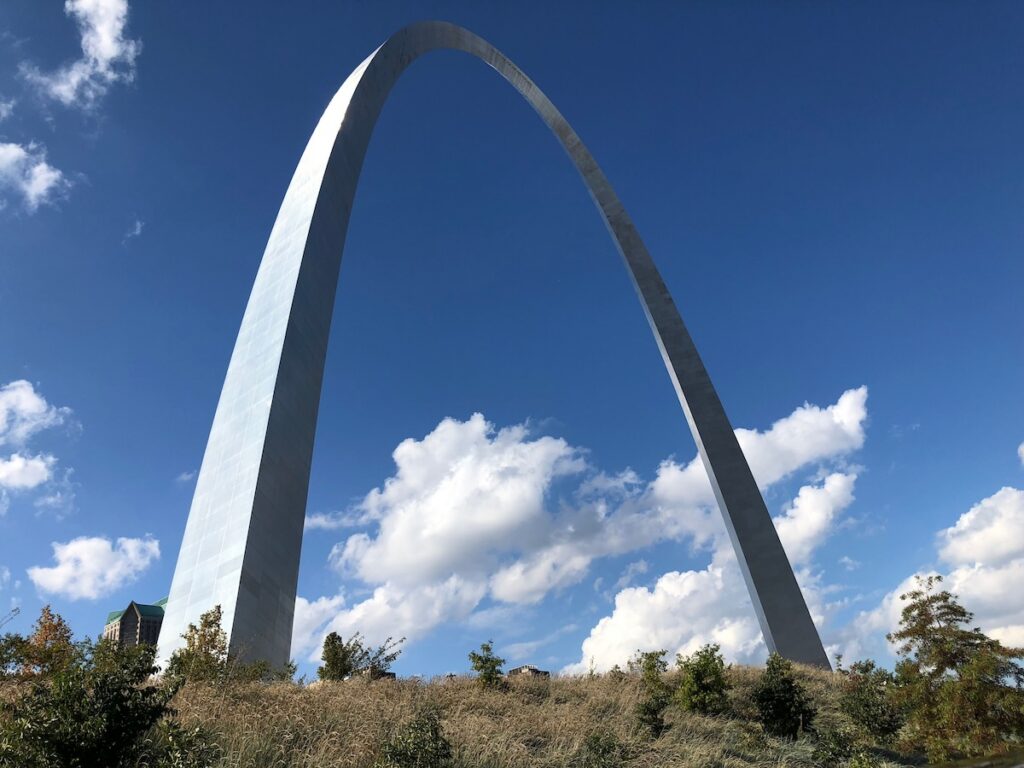
- Gateway Arch, St. Louis. Since 1965, millions of people have traveled Route 66 to see the tallest monument in the U.S. (63 stories). Get a whole new perspective by traveling by elevator in the tram-like cars to the observation deck.
- Route 66 State Park. Another favorite Missouri stop, right behind the Gateway Arch, taking you into nature near Eureka. Take some time to enjoy the visitor center for more Route 66 history.
- Gary’s Gay Parita, Ash Grove. A lovingly recreated 1930s Sinclair gas station that goes beyond the original pumps to showcase a wide variety of memorabilia.
- Munger Moss Motel, Lebanon. A classic auto court that’s been welcoming travelers for more than 75 years along Route 66.
- Route 66 Museum, Lebanon. Another small yet thorough museum along the route offering a different glimpse into the history and changes on this stretch of Route 66.
- Red Cedar Inn, Pacific. Built in 1934, this old inn now houses a museum, visitor center, and gift shop. So much history in these parts.
- History Museum on the Square, Springfield. Springfield is officially known as the Birthplace of Route 66, and this museum explores pioneers, the Civil War, Wild Bill Hickok, and the American West, along with trains, trolleys, and transportation out west, plus a special exhibit to celebrate Route 66’s Centennial.
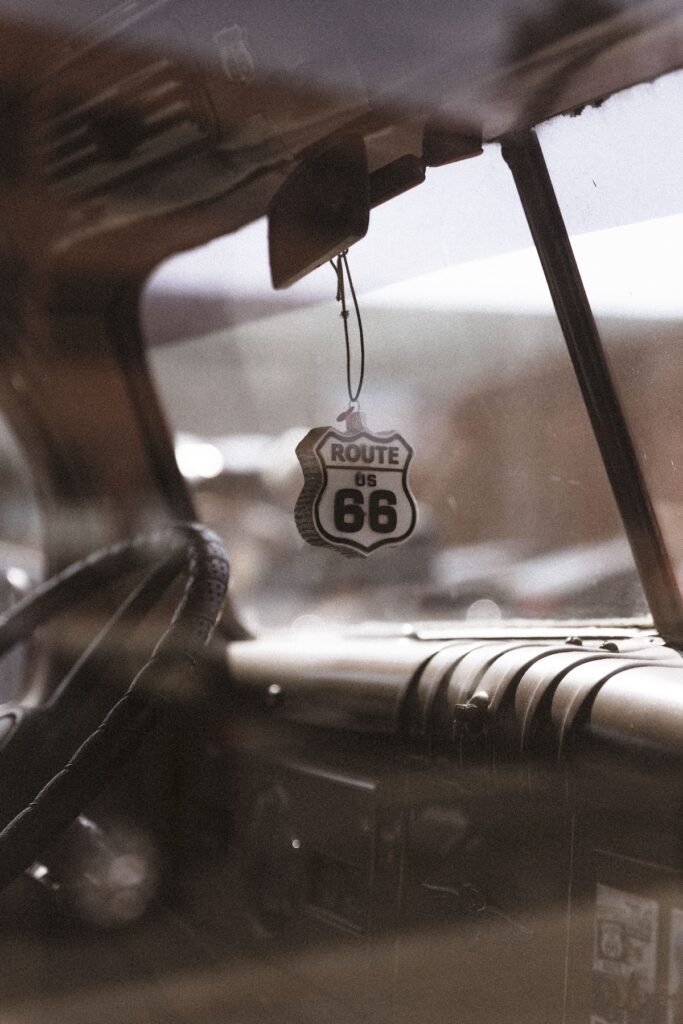
Kansas
While only 13 short miles of Route 66 run through Kansas, it still offers a couple of spots worth stopping for.
- Rainbow Bridge, Riverton. The sole surviving example of the Marsh Arch bridge design, you can still use it to drive over Brush Creek.
- Cars on the Route, Galena. Especially if you’re traveling with kids, you don’t want to skip this restored 1930s gas station whose tow truck reportedly inspired Tow Mater from Pixar’s Cars.
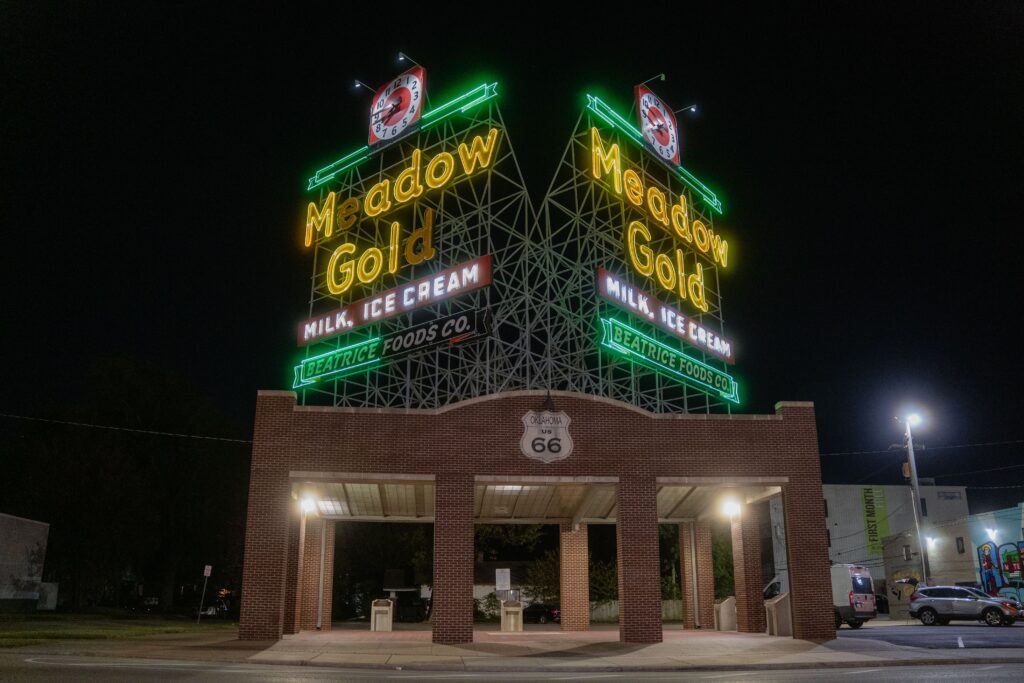
Oklahoma
- Blue Whale of Catoosa. Built in the early ‘70s as an anniversary gift for his wife, this 20-foot-tall, 80-foot-long concrete whale is now one of the road’s most-photographed roadside icons.
- Round Barn, Arcadia. This unique landmark, originally raised in 1898, is listed on the National Register of Historic Places and is the only one you’ll see along Route 66.
- Totem Pole Park, Foyil. Home to the world’s largest concrete totem pole, at 90 feet tall, and a collection of stone and concrete folk art, just 3.5 miles off the Mother Road.
- Milk Bottle Grocery, Oklahoma City. Another beloved example of architecture only available on Route 66 since 1948.
- National Route 66 & Transportation Museum, Elk City. Focusing on the people who have lived, worked, and traveled along the Mother Road over the last century, this museum invites you to walk through all eight Route 66 states and their quirky roadside attractions, along with antique cars and a mock drive-in theater for a step back in time.
- Route 66 Interpretive Center, Chandler. Housed in a 1930s WPA-built sandstone armory, experience an immersive take on the road’s history and the American Dream.
- Pops 66 Soda Ranch, Arcadia. A “newer” stop on the route (established in 2007), drop in for food, fuel, and some fizz with over 700 different soda flavors. This one’s impossible to miss with the giant soda bottle (over 100-foot of steel) that lights up the highway nightly.
- Route 66 Museum, Clinton. Pure Americana tracing the social and cultural changes over the last century with vintage vehicles, recreated retro storefronts, and learning exhibits.
- The Golden Driller, Tulsa. Since 1966, this towering oilfield-worker statue (76 feet tall) has become one of Tulsa’s signature landmarks.
- Rock Café, Stroud. This cherished diner opened in 1939 and is said to have inspired one of Radiator Springs’ cast in Pixar’s Cars.
Texas
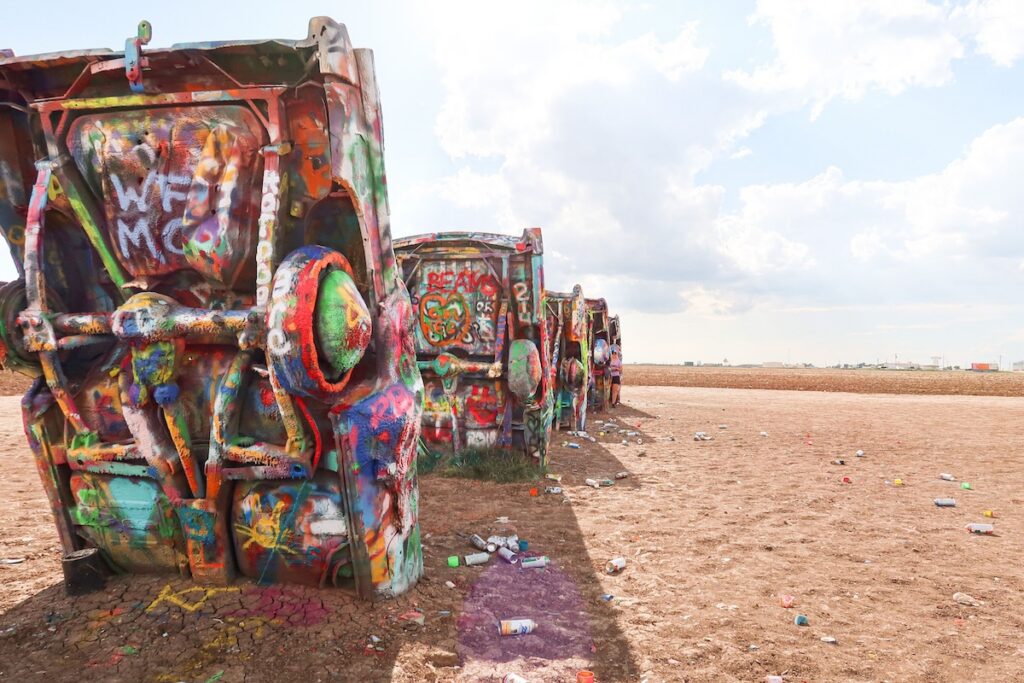
- Cadillac Ranch, Amarillo. An art installation featuring ten Cadillacs buried nose-down in a dirt field that’s been stopping visitors since 1974.
- The Big Texan Steak Ranch, Amarillo. Everything really is bigger in Texas! Since 1960, this has been home to the world-famous 72-ounce steak—free as long as you can finish the full meal in an hour or less (by yourself).
- Tower Conoco / U-Drop Inn, Shamrock. This stunning Art Deco gas station-diner combo with two towers is one of the road’s most photographed buildings—for good reason! It still looks almost the same as it did when it was built in 1936, but it’s no longer a service station. Today, it houses a visitor and community center.
- Midpoint Café, Adrian. Appropriately named, at 1139 miles, the MidPoint Café is the literal halfway point between Chicago and Santa Monica. Take a break and enjoy a hamburger and a piece of homemade pie to celebrate.
- Devil’s Rope Museum, McLean. Stop in for an oddly delightful deep dive into barbed wire and its history in the Old West.
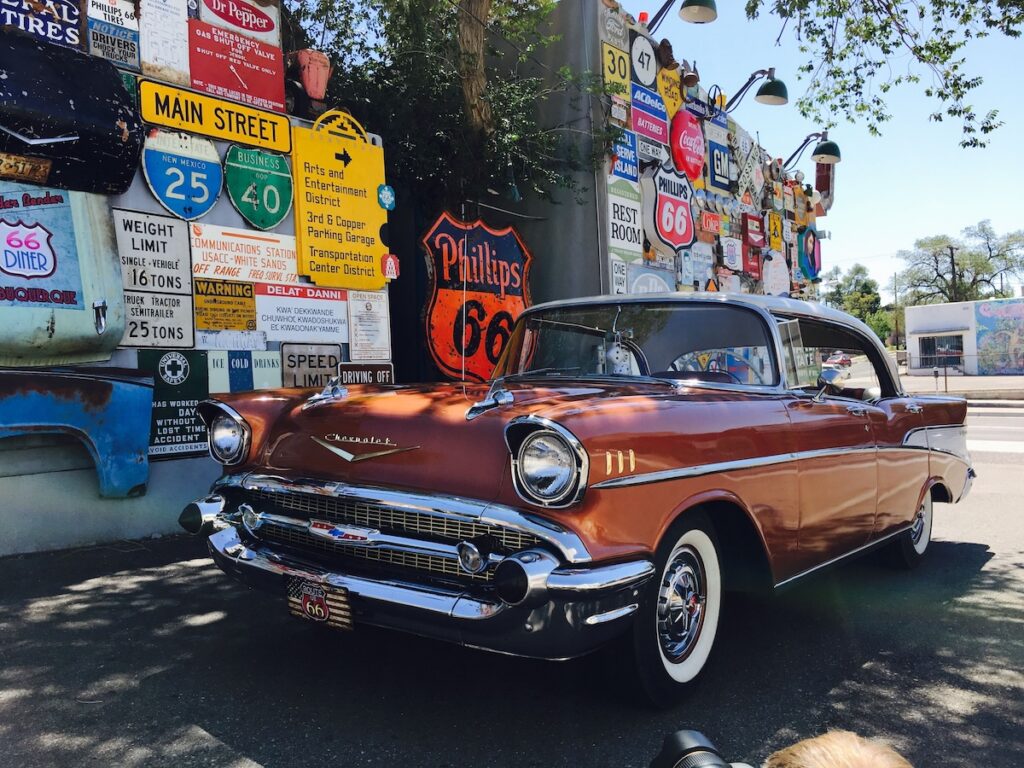
New Mexico
- Blue Swallow Motel, Tucumcari. Serving travelers since 1939, its neon sign is another highly photographed landmark when RVing Route 66.
- Tee Pee Curios, Tucumcari. Slow down and shop under the brightly lit neon teepee sign in this town that features vintage motels, restaurants, and gift shops all built in the 1930s, ’40s, and ’50s and still in business today.
- Blue Hole, Santa Rosa. A true oasis in the middle of the desert, this sapphire-blue natural swimming hole provides a constant, comfortable temperature for those seeking a moment of respite with its clear, pure water.
- Route 66 Auto Museum, Santa Rosa. There are a number of auto museums along the route, which all offer different collections. This one invites you to see not only their solid collection of vintage cars but to walk through automobile history during this pivotal era.
- Glenrio ghost town. Straddling the Texas-New Mexico border, this town was abandoned almost overnight when I-40 opened in 1975, leaving buildings as an echo of the past when this small town was an overnight Mecca in the middle of the desert.
- Acoma Pueblo (Sky City). This historic Native American pueblo sits atop a 367-foot sandstone mesa and is known as the oldest continuously inhabited community in North America.
- Route 66 Neon Drive-Thru Sign, Grants. This vibrant tribute to Route 66 provides a fun, photo-op featuring neon lights, painted flames, and more if you want to “prove” you’ve had your kicks to the kids back home.
- The Continental Divide. Many are surprised to discover the route climbs over 2,400 feet to reach this natural ridge that splits the continent’s water to flow east or west.
- El Malpais National Monument. Route 66 isn’t always about the road. Nature offers its own drama, including this lava-field and sandstone-bluff badlands just off the Mother Road.
- Clines Corners. A travel center that’s been around since 1934 where you can still fill up your RV tank and your belly. Don’t skip the famous homemade fudge.
- El Rancho Hotel, Gallup. This historic grand old Hollywood-favorite hotel is located near the Arizona line and celebrates Hollywood’s golden age.
- Gallup’s trading posts. In the over 110 trading posts, shops, and galleries, you’ll find jewelry, art, pottery, clothing, and more in the Southwest’s center for authentic Native American art representing over 1,000 Native American artisans.
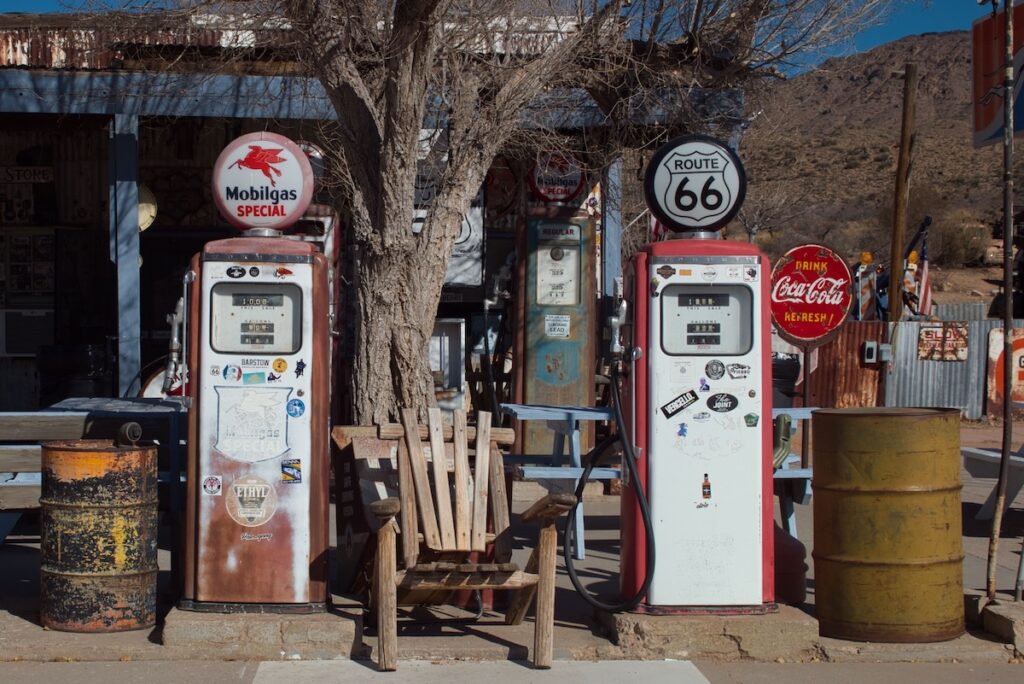
Arizona
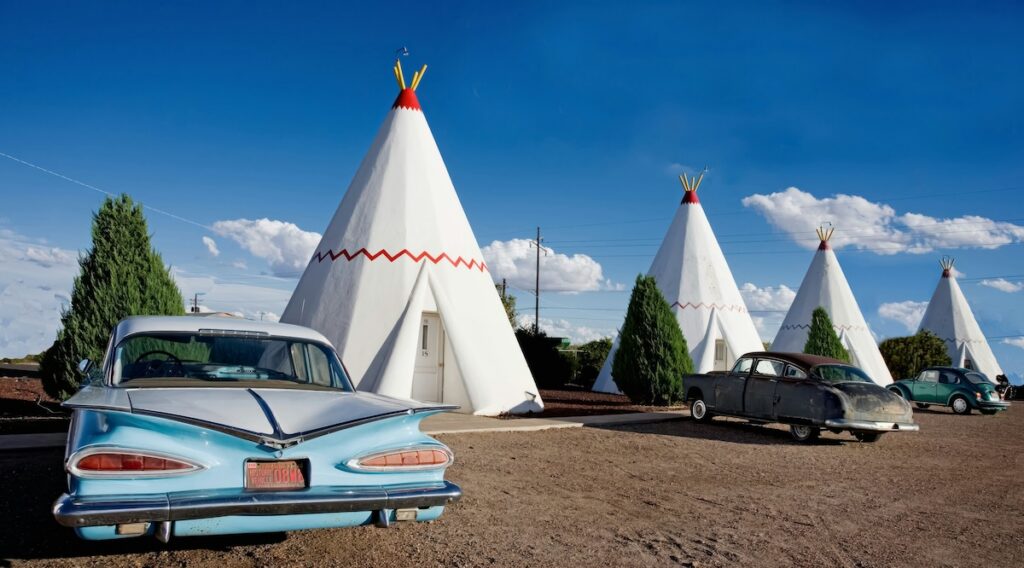
- Wigwam Motel, Holbrook. Ever dreamed of sleeping in a wigwam? You can—in one of only a few surviving wigwam-shaped motor courts left on the route in Holbrook, Arizona.
- Petrified Forest National Park / Painted Desert Inn. A National Register–listed inn with sweeping desert views and exhibits surrounded by rocky cliffs and back-country hikes.
- Jack Rabbit Trading Post, Joseph City. Famous for its “Here It Is” billboard, one of Route 66’s most iconic roadside gags, and down-home shopping experiences since 1949.
- Standing on the Corner Park, Winslow. This public park proudly displays a statue and mural honoring the Eagles for their song “Take It Easy,” with the line “Well, I’m standing on a corner in Winslow, Arizona.”
- Meteor Crater. This dramatic detour to one of the best-preserved impact craters on Earth is well worth it. If you want to see every angle, they offer a three-hour full-rim hike every Saturday with an expert guide.
- Grand Canyon Caverns, Peach Springs. Take an elevator ride 210 feet down into America’s largest dry caverns.
- Grand Canyon Skywalk (bonus detour). This glass-bottomed walkway, suspended 4,000 feet above the canyon floor, is worth the detour to get a unique perspective on one of the Seven Natural Wonders of the World.
- Oatman. A former mining town where wild burros and tame gunfighters still roam freely down Main Street.
- Seligman. This small town is widely credited with sparking the movement to preserve Route 66, and we can’t thank them enough!
- Hackberry General Store. A favored stop along Old Route 66, this is a time-capsule roadside stop packed with vintage signage and old cars.
- Lowell Observatory, Flagstaff. Flagstaff is the world’s first International Dark Sky City, inviting you to take in the cosmos like you’ve never seen before.
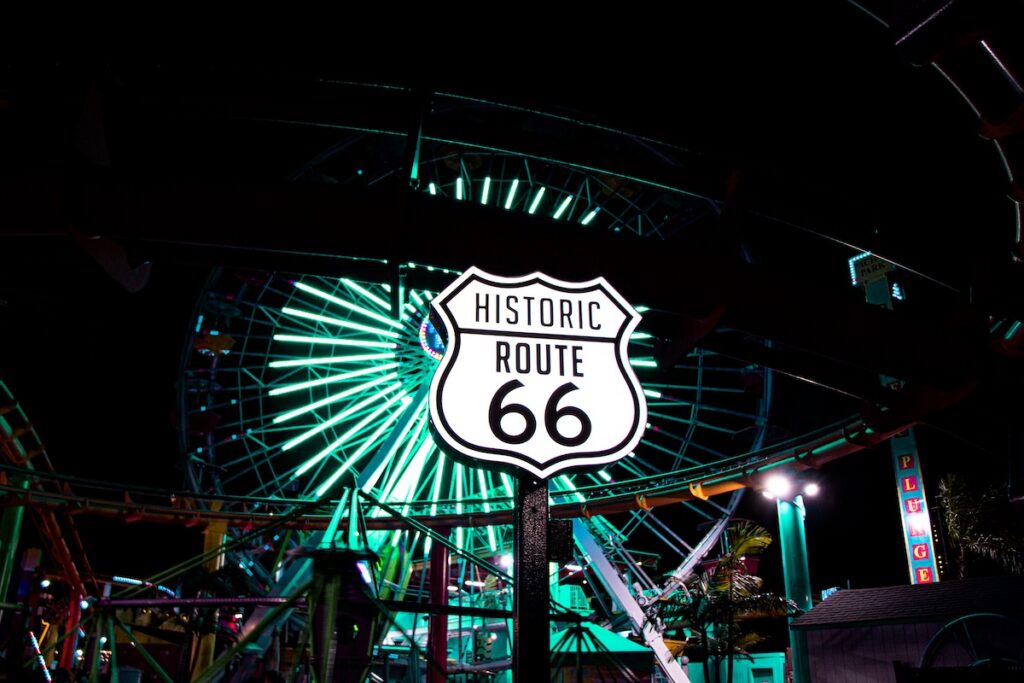
California (the last stop)
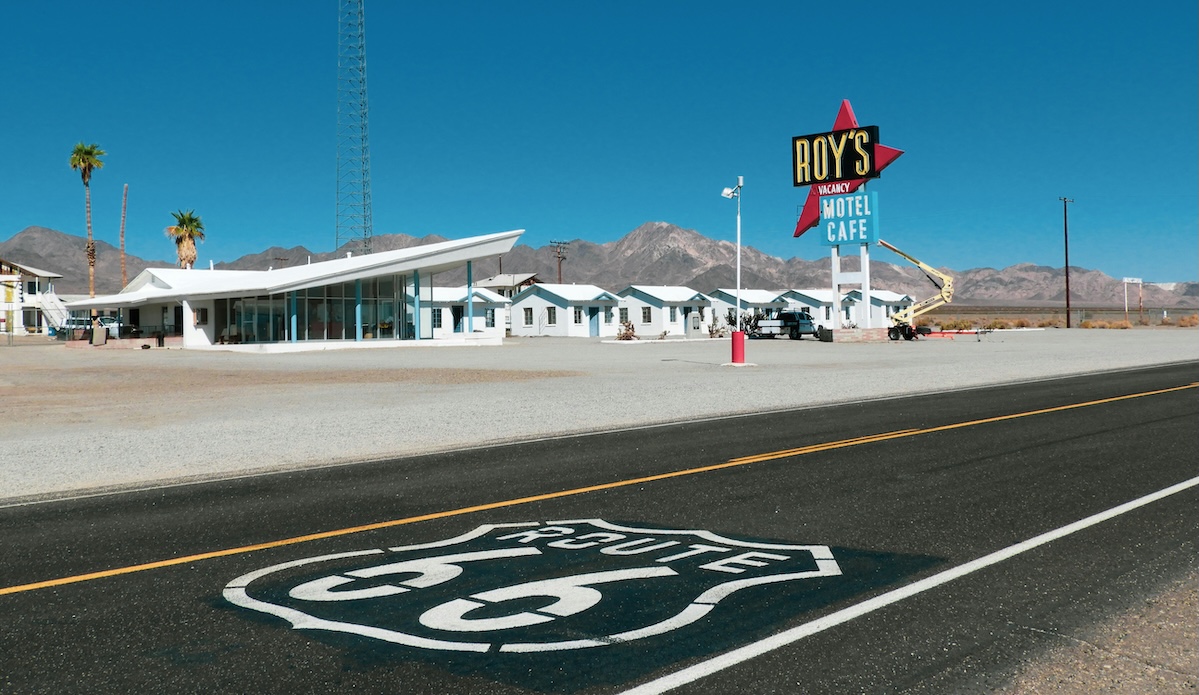
- Roy’s Motel & Café, Amboy—a Googie-style neon icon that’s operated as a gas station and café since 1938, when it was the only stop in the area offering a hot dish and a bed.
- Amboy Crater. Hike right up and into this roughly 6,000-year-old volcanic crater. Remember, though, there’s little (or no) cell service and emergency help is far away, so please take precautions before you start.
- Bagdad Café, Newberry Springs. Presents the real-life setting of the 1987 film Bagdad Café because “every life could use a little magic.”
- Elmer’s Bottle Tree Ranch, Oro Grande. A surreal desert sculpture garden of welded pipes covered in colorful glass bottles.
- Calico Ghost Town. A once-booming mining town (back in 1881), it lost its value in the mid-1890s once the price of silver dropped. This is a quick detour off the main road to see the restored buildings of a California silver rush town.
- California Route 66 Museum, Victorville. See vintage signs, photos, classic cars, and other artifacts to travel back to the heyday of Route 66.
- Summit Inn, Cajon Pass. Marking the highest point on California’s stretch of Route 66 since 1952. Sadly, the historic building was destroyed by fire in August 2016.
- Wigwam Motel, San Bernardino. Missed the Wigwam Motel in Arizona? You have a second chance. This is one of only three surviving Wigwam motels left in the country.
- Original McDonald’s site, San Bernardino. While you can see the Golden Arches almost anywhere in the world, this is where it all started when Dick and Mac McDonald opened their first restaurant in 1940—now converted into a museum with toys and memorabilia from around the world.
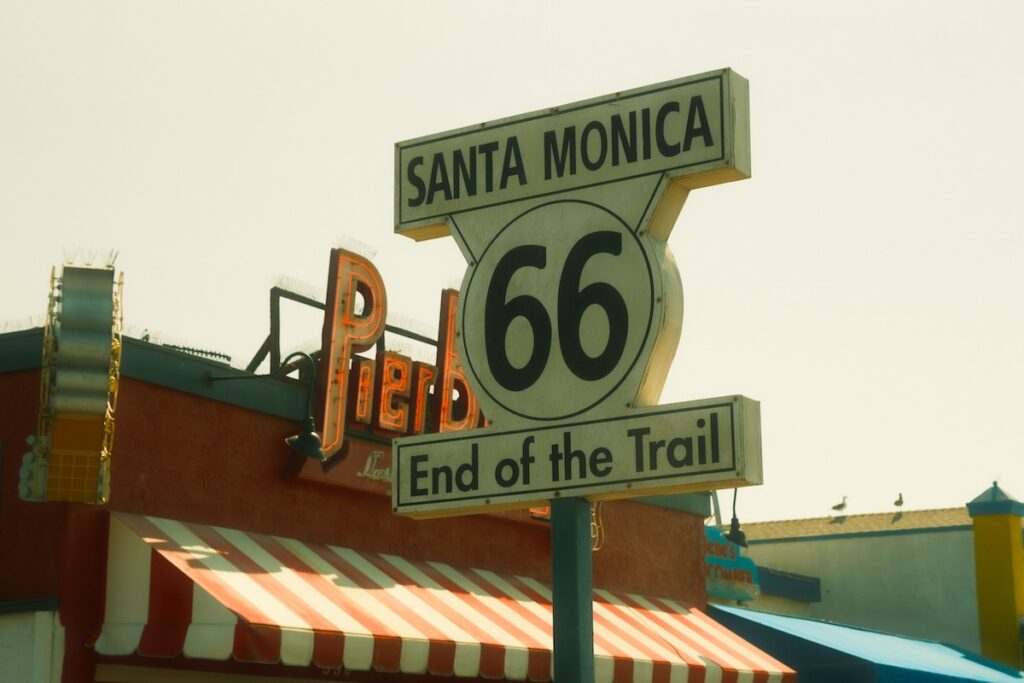
- Santa Monica Pier—“End of the Trail.” What a long, strange trip it’s been. You’ve finally reached the symbolic finish line of the Mother Road.
RVing Route 66: Still Worth the Drive
While it wasn’t always clear, the good news is: Route 66 isn’t going anywhere. So if the centennial crowds, packed campgrounds, and booked-solid motor courts make you want a road less traveled, you can always wait a year—or longer. You’ll still find history, iconic neon signs, attention-grabbing statues, and cars buried nose-first along the route.
Route 66 wasn’t built for a moment. It wasn’t even built for a century—towns up and down the route have spent decades keeping it alive. Today, RVing Route 66 gives travelers the same gift it did in 1926—a chance to slow down, pull over, and take in some good old Americana.
Here’s to the next 100 years on the Mother Road!