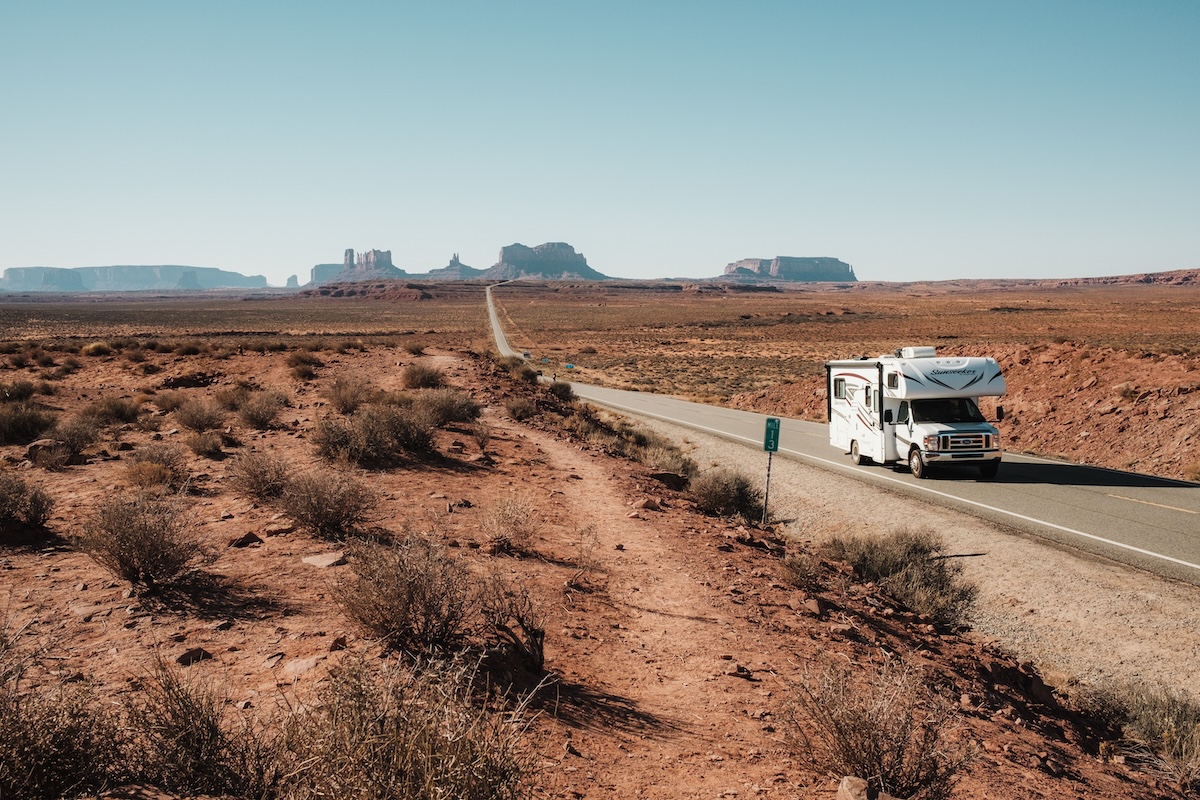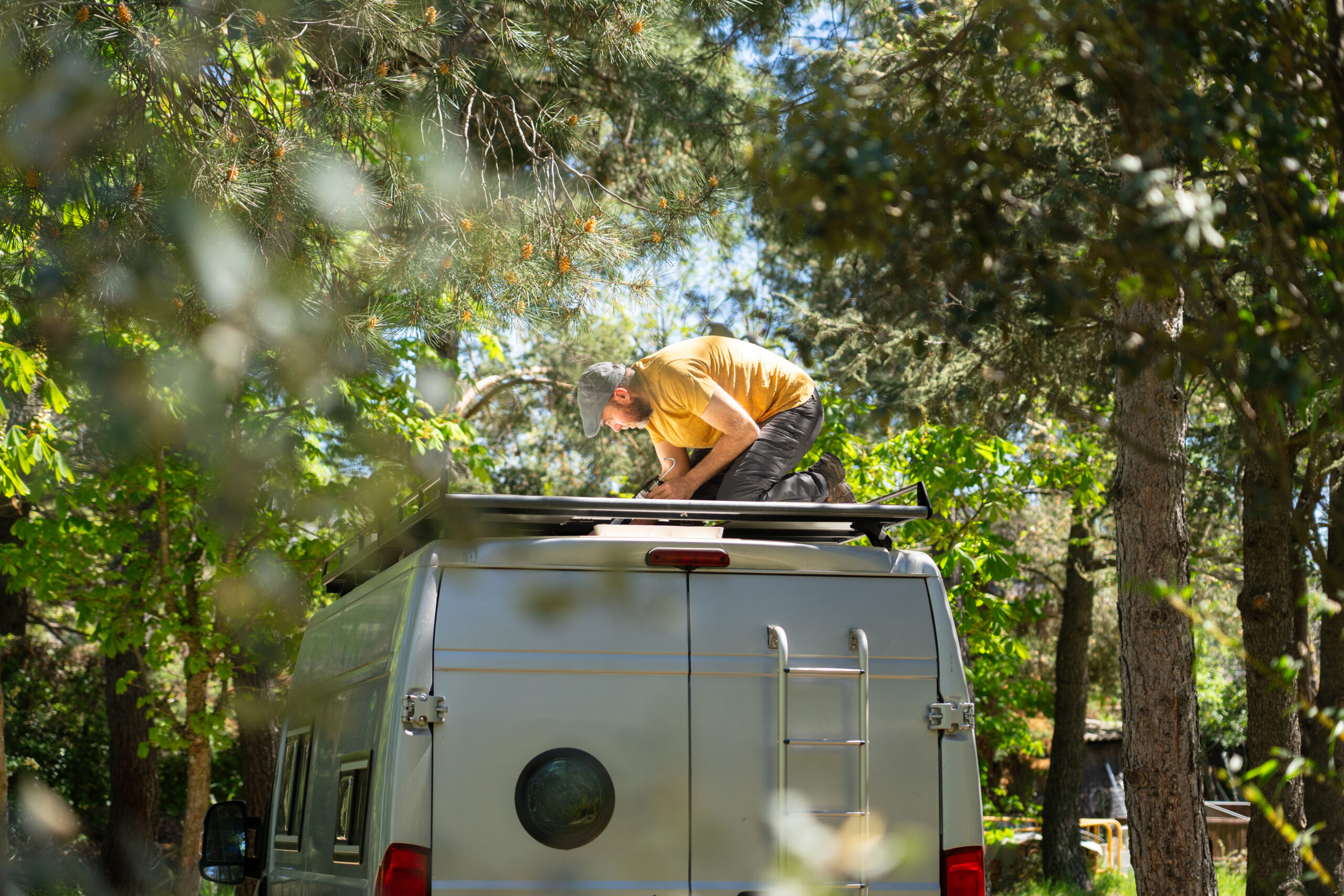

Over time, water can quietly compromise the structure of your RV. From soft floors to mold growth, the damage isn’t always visible until after it’s widespread. Unlike cosmetic issues, water damage in RVs can affect your insulation, electrical systems, and resale value. That’s why early detection and routine maintenance are crucial.
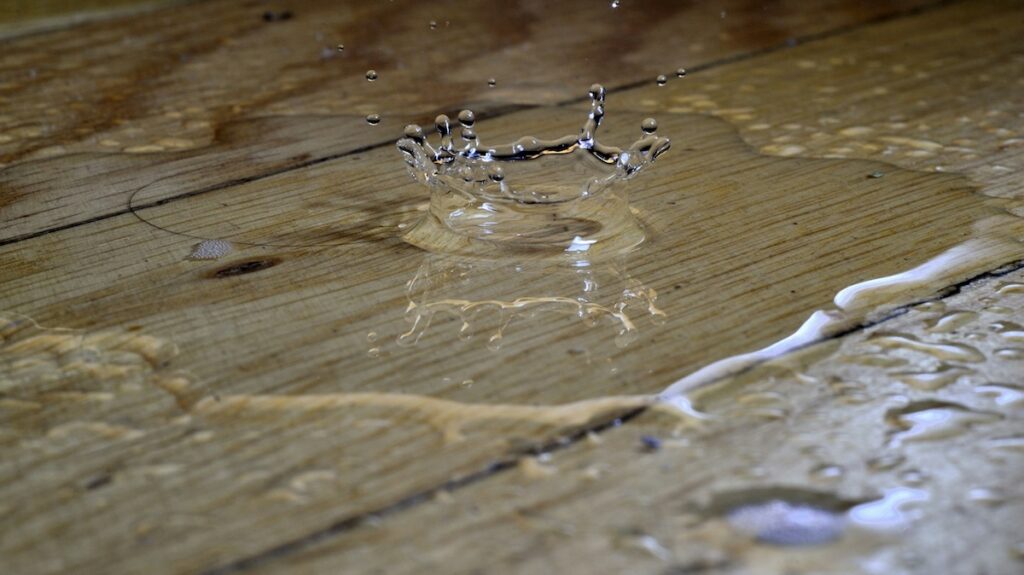
Photo by Piotr Laskawki on Unsplash
How to Spot Water Damage in RVs
Recognizing the early signs can help you stop damage before it spreads.
What to Look For:
- Stained, soft, or bubbling wall panels
- Warped cabinetry or flooring
- Musty odors or visible mold
- Rust around interior screws or fixtures
- Damp spots near windows, skylights, or plumbing fixtures
Pro Tip: Use a moisture meter to check for hidden damage, especially before buying a used RV. As a general rule of thumb:
- 0 – 15%: Normal/dry
- 16 – 20%: Elevated—monitor closely and recheck after rain or humidity changes
- 20+%: You likely have an active moisture issue that needs to be investigated (and addressed) ASAP
Most Common Causes of Leaks and Water Damage
Leaks can start small but lead to serious issues over time. Here’s where they most often begin:
- Cracked or deteriorated roof seams
- Improperly sealed windows, doors, or slide-outs
- Damaged caulking in bathrooms or kitchens
- Leaky plumbing lines or water heater connections
- Failed vent or skylight seals
Less obvious places, which even seasoned RVers can miss, include:
- Marker lights and clearance lights (especially on older rigs with gaskets that have become brittle)
- Rear ladder mounts and awning brackets
- Slide topper attachment points
- Exterior storage compartments (water can wick up as well as drip down)
- Screw penetrations added later for satellite mounts, solar panels, bike racks, etc.
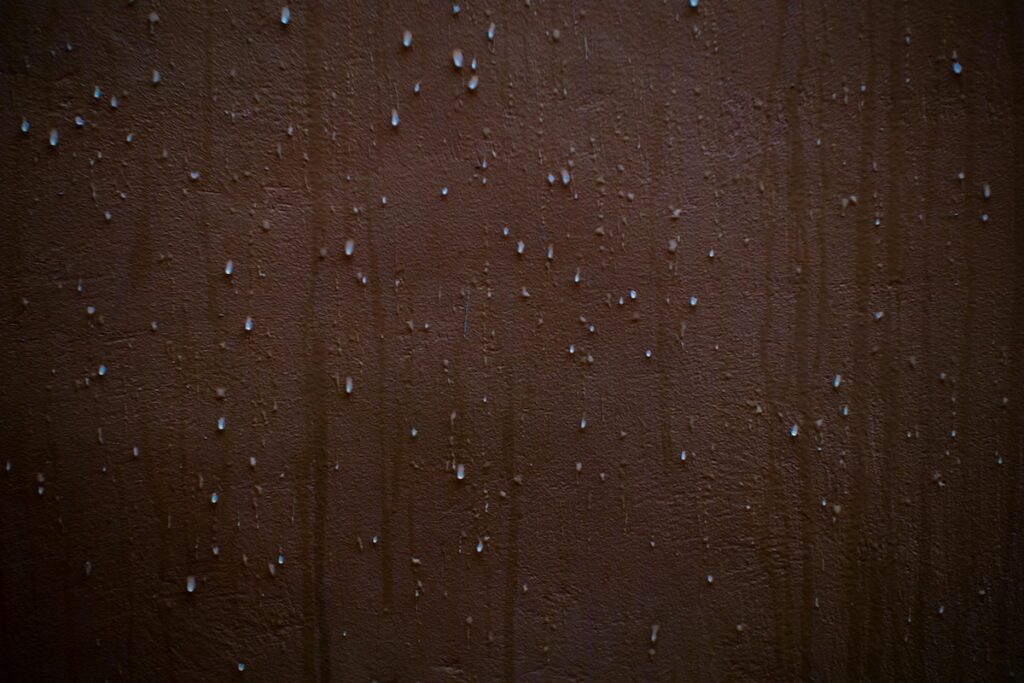
Photo by Nothing Ahead
Fixing RV Water Leaks: Key Repair Areas
Once you’ve identified the source of the leak, you’ll want to act fast. Here’s how to handle common repairs:
Roof Leaks
- Clean the area and re-seal using RV-specific sealant (self-leveling vs. non-sag sealant like Dicor or Sikaflex) or tape
- Inspect AC units, vents, skylights, and solar mounts—as these are high-risk areas
Window & Door Leaks
- Remove old caulk and reapply fresh sealant
- Replace worn gaskets or use butyl tape beneath the trim
Bathroom & Kitchen Leaks
- Re-seal shower pans and sink fixtures
- Check for cracked plumbing or fittings behind access panels
Water Heater Leaks
- Tighten or replace the drain plug or pressure valve
- If the tank is cracked, replacement is likely the safest option
How to Repair Water-Damaged Materials
Once the leak is sealed, assess the interior damage:
- Dry everything thoroughly using fans and a dehumidifier
- Remove and replace any soft subflooring, wall panels, or insulation
- Treat the area with a mold inhibitor
- Use moisture-resistant materials (e.g., closed-cell foam insulation, marine-grade plywood, or PVC trim) during rebuilds whenever possible
DIY or Call the Pros?
DIY If:
- The damage is small and localized
- You’re comfortable working with tools and sealants
- You’ve confirmed framing and insulation are still solid
Call a Pro If:
- Mold is present, or the structure is compromised
- Electrical or HVAC systems are involved
- You’re dealing with a large area or insurance claim

Photo by Isabelle Taylor
How Much Water Damage Totals an RV?
In some cases, the damage isn’t repairable—or worth the cost. Or, the repairs are technically possible, but they’re not resale-smart. Insurers may consider your RV a total loss if:
- Water has reached the structural framing or subfloor. Delamination often goes much deeper than what you can see on the surface.
- Mold is widespread. Especially if the mold gets inside the laminated walls, it can be difficult, if not impossible, to completely eliminate it.
- The repair cost exceeds the RV’s value
Review your policy to see if gradual water damage is covered (many only cover sudden incidents).
Preventing Water Damage Before It Starts
Prevention is the best protection. Build these habits into your routine:
- Inspect your roof, seams, and seals every season as well as after any extreme weather events
- Reseal annually with proper RV products
- Store your RV under a breathable cover or shelter
- Winterize plumbing to avoid freeze-related leaks
- Monitor for damp smells or stains after heavy rains
In addition, after heavy rains—and as part of your seasonal inspections:
- Run your fingers along interior corners and seams
- Check inside cabinets placed on exterior walls
- Use your nose and smell for mustiness (this is often more reliable than using just your eyeballs)
- Don’t forget any sliders! Look at the slide seals when extended
- Check underneath the rig for any dripping insulation or belly wrap sag
Reseal Like a Pro
- Use self-leveling sealant on horizontal surfaces only
- Use non-sag sealant on vertical seams and sidewalls
- Never seal over caulk that’s already failing—you’ll want to remove it and ensure the surface is clean
- Avoid mixing incompatible sealants (silicon over Dicor, for example, is just asking for it to fail in the future)
- Keep a log, so you know when and where you’ve already resealed.
Seriously, documenting maintenance pays off over the life of your rig. It’s not just helpful for your own tracking—keeping records of inspections, resealing, moisture readings, and repairs—can also help protect resale value and simplify insurance conversations. Before-and-after photos are especially valuable, and the date is often automatically saved in the photo file.
Photo by Pixabay
Conclusion: Staying Dry Is Staying Safe
Water damage can quietly ruin an RV, but consistent inspection, proper sealing, and quick action can keep your rig protected. Whether it’s a leaky window, a bathroom drip, or a full-blown roof failure, knowing how to prevent and repair water damage is essential to preserving your RV investment—and your peace of mind on the road.
For long-term RV owners, remember that water damage prevention isn’t a one-off task. It’s a system. If you want your rig to last for the long haul, it’s not just about how well it’s built; it’s how well it’s maintained.