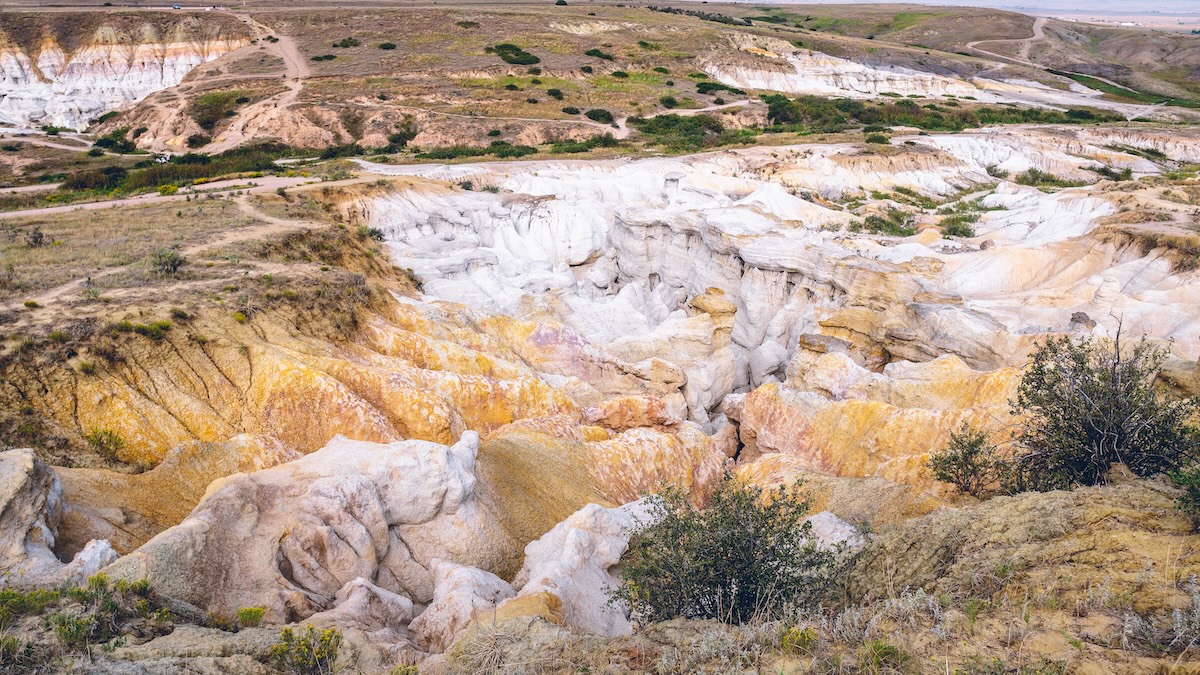

The canoe had barely tipped before Steve found himself in the freezing water—brand new camera equipment and all.
He’d been paddling somewhere in Minnesota—one of dozens of stops on his first cross-country RV journey he and his wife, Jo, had been piecing together for years. His expensive gear? Gone. The photos from two full states? Lost for good. He crawled out of the water, made it back to the camper, and climbed under the covers, “frozen like an ice cube.”
Two hours and a good long nap later, he was back up. After a delicious home-cooked meal, he was ready for more adventure (sans camera).
“It didn’t even phase me hardly,” he says.
That moment—the near drowning, the lost equipment and images, the shrug and onto dinner—tells you a lot about what kind of guy Steve is. He’s not the kind of traveler who expects everything to go right. Nor does it need to. Instead, he’s the kind who’s survived a hurricane scare, a week stranded in a repair yard in Nova Scotia, and a bout of altitude sickness at the top of Rocky Mountain National Park (that gave him a good scare), and still comes back to the same conclusions every time: It’s worth it. All of it.
“It’s probably the best thing I’ve ever done in my life,” he shares.
But the road wasn’t always the plan. In fact, for a long time, Steve and Jo didn’t know if they’d have the chance to make a plan. They were just two people who had worked hard all their lives and then were hit with unwanted detours—a cancer diagnosis each. But even during the worst of it, they made the stubborn decision: they weren’t done yet.
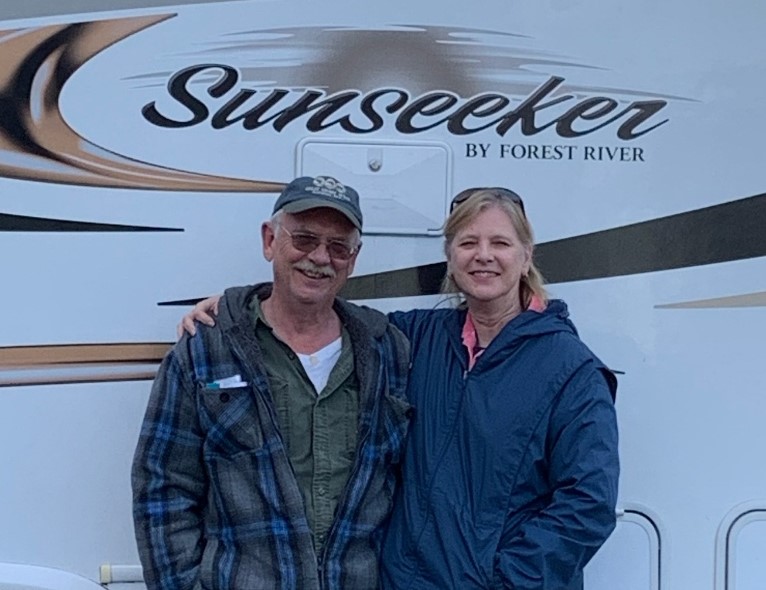
A Call for Adventure
Steve and Jo had spent years like most of us—working, getting things done, and paying things off. An accountant, Steve was probably better at saving up for retirement than many folks.
Nature had always played a secondary role in their lives. They enjoyed weekends in the New Jersey Pine Barrens, canoeing, hiking, and the occasional camping trip. But with busy schedules, these trips—no matter how much they loved them—were squeezed in around the edges. A week here. A long weekend there. Whenever they could find the time to get away.
Then they both got sick.
“After we both got sick, it was kind of like depression and sorrow surrounded us,” Steve says. Chemotherapy. Radiation. Months of being unable to do much of anything. The stillness didn’t feel restful. It just felt sad.
The turning point wasn’t a doctor’s recommendation or a bucket list. It was more defiant. Steve looked at their situation—the long list of medical bills and the stress of trying to pay them. The low-grade grief that had moved into their home like an unwanted roommate. The years they felt like they’d lost. And he made a proposal. They’d always loved the outdoors. Always wanted to see more. What if they scraped together some of the remaining money, bought a motorhome, and set off to see the country?
His pitch to Jo: “Get away from here. Away from our bills. From being depressed. From just sitting around the house.”
Jo agreed, and after a rigorous hunt to find just the right motorhome, off they went.
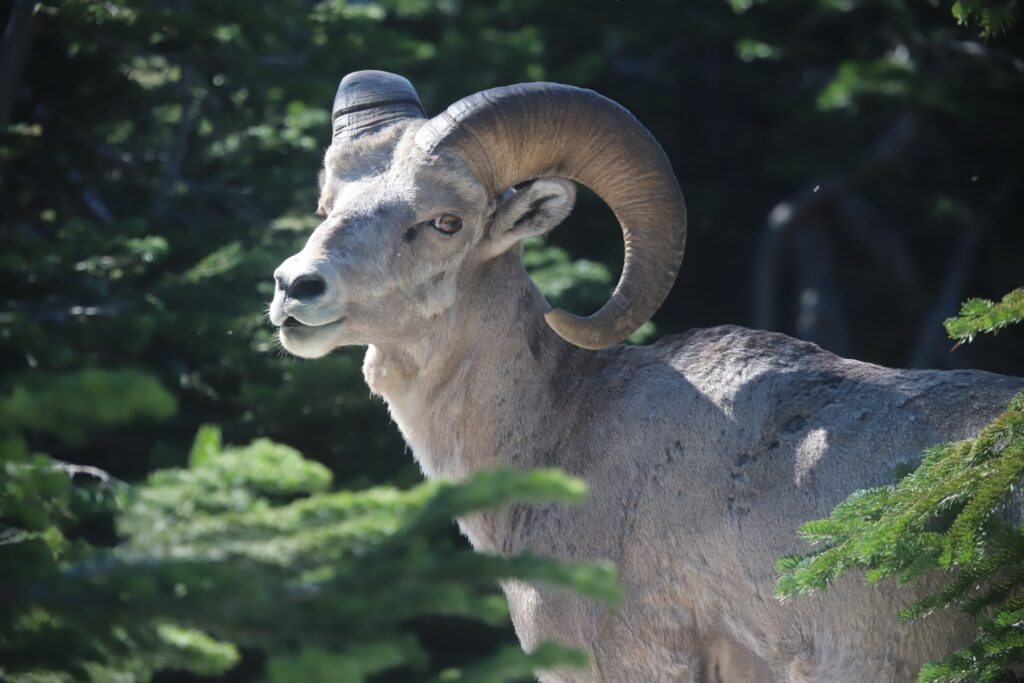
Photo: Steve Gazo
What happened next surprised them both: the walking that started as gentle recovery slowly became longer hikes they both looked forward to. They added in bicycling, kayaking, and becoming part of the natural world around them.
A few months—or maybe just weeks—in, they noticed how much had shifted. Bodies that had spent too many months on a couch during treatment were moving again. Getting stronger. Feeling better.
“When we got out camping, we started walking, hiking, and bicycling. We developed a yoga practice. After six months, we were getting back into good shape again,” Steve explains.
He’d later learn about some research that showed it’s not just the exercise. It’s being out in nature. Trees, for instance, emit compounds that measurably lower stress, improve circulation, and promote healing. He believes it. Not because he read about it. But because he felt it. Even before he had the science to point to, he knew something out there was working on them in ways that staying home never could.
“It really did turn everything around,” he says. “Which is part of the reason I wrote the book. I don’t know if other people will believe it, but it’s true.”

Photo: Steve Gazo
Breathtaking Vistas
Ask any RVer what their favorite locations have been, and you’ll get a wealth of recommendations. Steve’s are often a little different. He’s been to—and enjoyed—plenty of the famous ones. But the places he enjoys most are the ones most people just drive on by or don’t even notice. A campground with no address. The state park no one was talking about. The reservoir at the end of a long dirt road with just 15 sites and not a soul around.
“I’d much rather have been there than get a site somewhere in Glacier,” he says of Lost Johnny—a small forest campground tucked near Hungry Horse Reservoir in Montana, after Glacier National Park filled up before he could book it. Up on a hill, overlooking a lake, with wildlife wandering through the trees. Fifteen, maybe 20, total sites. A couple of them empty. “I hardly saw anybody the whole time we were there.”
That’s a theme with Steve. His most divine experiences rarely came from the big-name destinations. They came when those destinations turned him away, and he had to make a plan B (C, or D).
When Zion National Park was fully booked, he landed at nearby Snow Canyon State Park (about 30 miles west). “A beautiful park,” he says simply. “We loved being there.”
When he couldn’t get into Glacier for a backcountry site, he wandered off behind a visitor center while everyone else headed to the gift shop, found a trail dusted with snow and filled with wildflowers, and paused to look out over a valley dropping into a canyon with big-horned sheep threading through the trees above him.
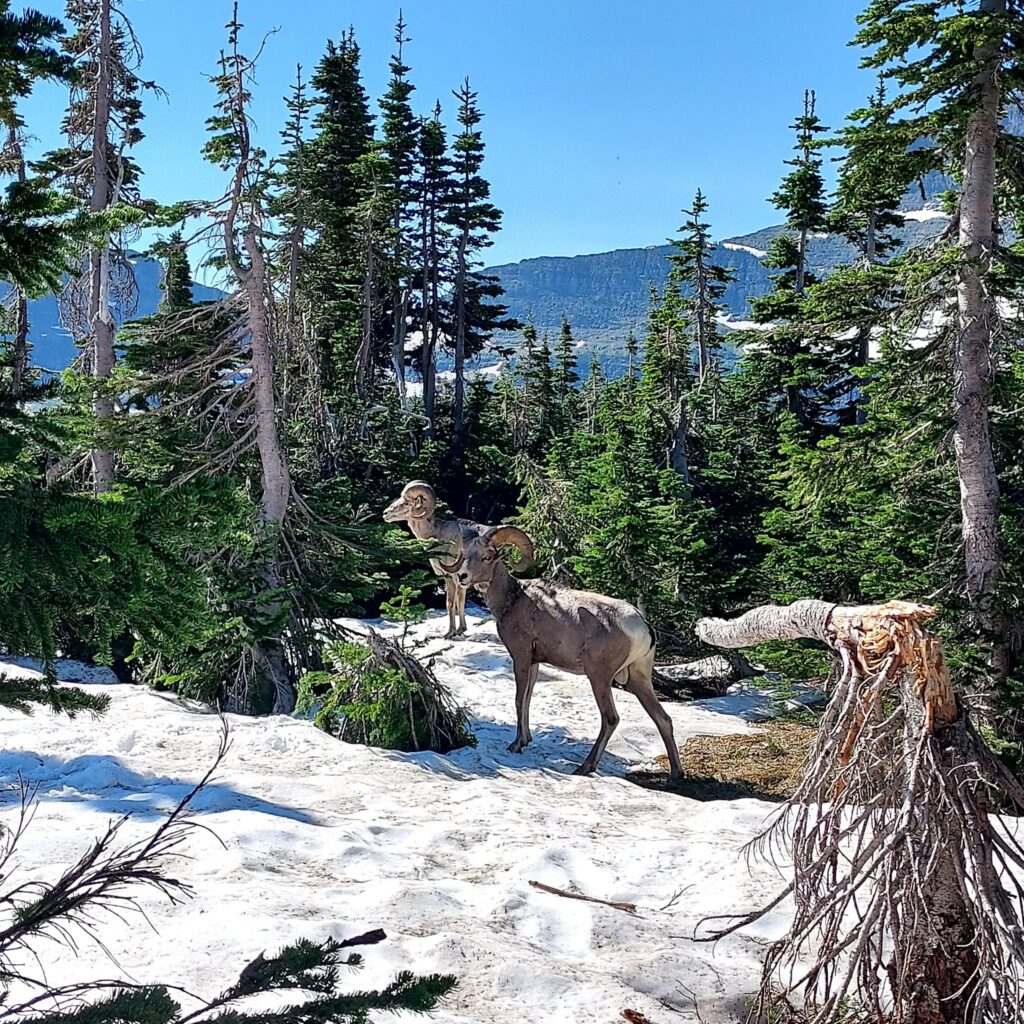
Photo: Steve Gazo
“I felt like I was in The Sound of Music,” he exclaims. “I almost started dancing.”
Oregon surprised him the most. Yes, he’d expected to see some spectacular sites—Crater Lake, the Columbus River Gorge—and he soaked those up. But what’s really stayed with him is driving through the entire state—the coast, the high desert, the ravines toward Hells Canyon. “I could spend months just driving around Oregon,” he says. “There’s not any one spectacular place that you’re going to drive a million miles to get there, but it’s worth getting there.”
And then there’s the City of Rocks in New Mexico—a stretch of desert where boulders the size of buildings sit in open flatland with nothing for 50 miles in any direction. Steve and Jo camped there and waited for dark.
“The stars go all the way from one horizon to the next with nothing breaking it up. No trees. No lights. It just goes from the ground to the ground on either side of you with a full view of the stars right over your head,” Steve recounts.
He saw shooting stars that night. But what made the biggest impact was the absolute silence. Not just the absence of noise but something deeper. “You can literally hear the silence in your ears,” he says. “It’s a strange but marvelous feeling.”
The Redwoods were another life-altering destination. Where the desert opened everything up, the redwoods pressed in close and humbled him. “Unless you’re among them, you can’t understand. You feel like a little bug. Your arms can’t even go a tenth of the way around the tree. You begin to realize your place in the universe.”
While Steve is a talented photographer, he’s quick to say that no photos can do these places justice. Not the gorges, the redwoods, or the countless stars over the desert… “I don’t care how many pictures you see,” he says, “You’re not going to get the same feeling as somebody that’s there.”
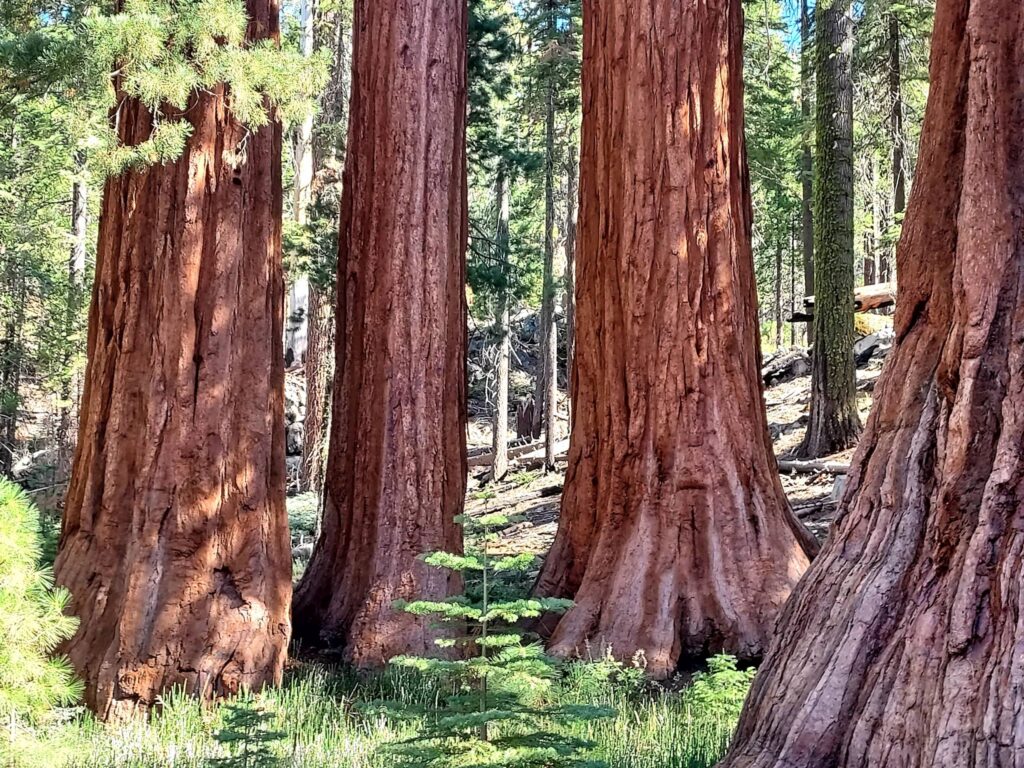
Photo: Steve Gazo
What You Won’t Find in the Pretty Brochures
Before actually hitting the road, many people have a pretty amazing fantasy about RVing. Steve will be the first to tell you that it’s not a permanent vacation. In fact, occasionally, it’s a slow-moving comedy of errors performed in a very large vehicle on scarily narrow (and steep) roads.
While Steve and Jo pride themselves on double-checking before they return to the road, they aren’t perfect. One time, Steve finished cleaning the windows as he was filling up with gas. He ran inside for a quick break, and when he came back out and heard the pump click off, he just got in and drove away. With the fuel hose still attached. “Yeah, we drove out of the station, dragging the hose behind us. Not something you want to admit,” he laughs.
One morning in Glacier, after three years of traveling by RV—when he considered himself a reasonably experienced RVer—he and Jo pulled out of the campsite and started down the road. He wondered why tree branches kept smacking the side of the camper. Eventually, a passing driver flagged him down to let him know the canopy was still fully extended. “That could have been a disaster,” he laughs. “Luckily, it wasn’t.”
More recently, they found trouble in Nova Scotia.
The camper broke down and stayed broken for the better part of a week—each repair revealing another repair underneath. Steve and Jo ended up sleeping in the mechanic’s yard. A tow truck eventually moved them to a campground, but the ordeal continued. “They kept fixing one thing after another and saying, “Oh, we’ve got to do this too.” Steve recalls thinking, “Oh my gosh, it’s never going to end.”
It did end, though. And after getting back on the road for a few days, they were fine. More than fine.
That’s what several years of RVing (and a cancer diagnosis) can do to a person—help recalibrate the scale of what feels like a real problem. Increase resilience to whatever life throws your way. A broken camper in Nova Scotia is just inconvenient—not a disaster.
“Two or three days after, we were in the mood to hit the road again.”
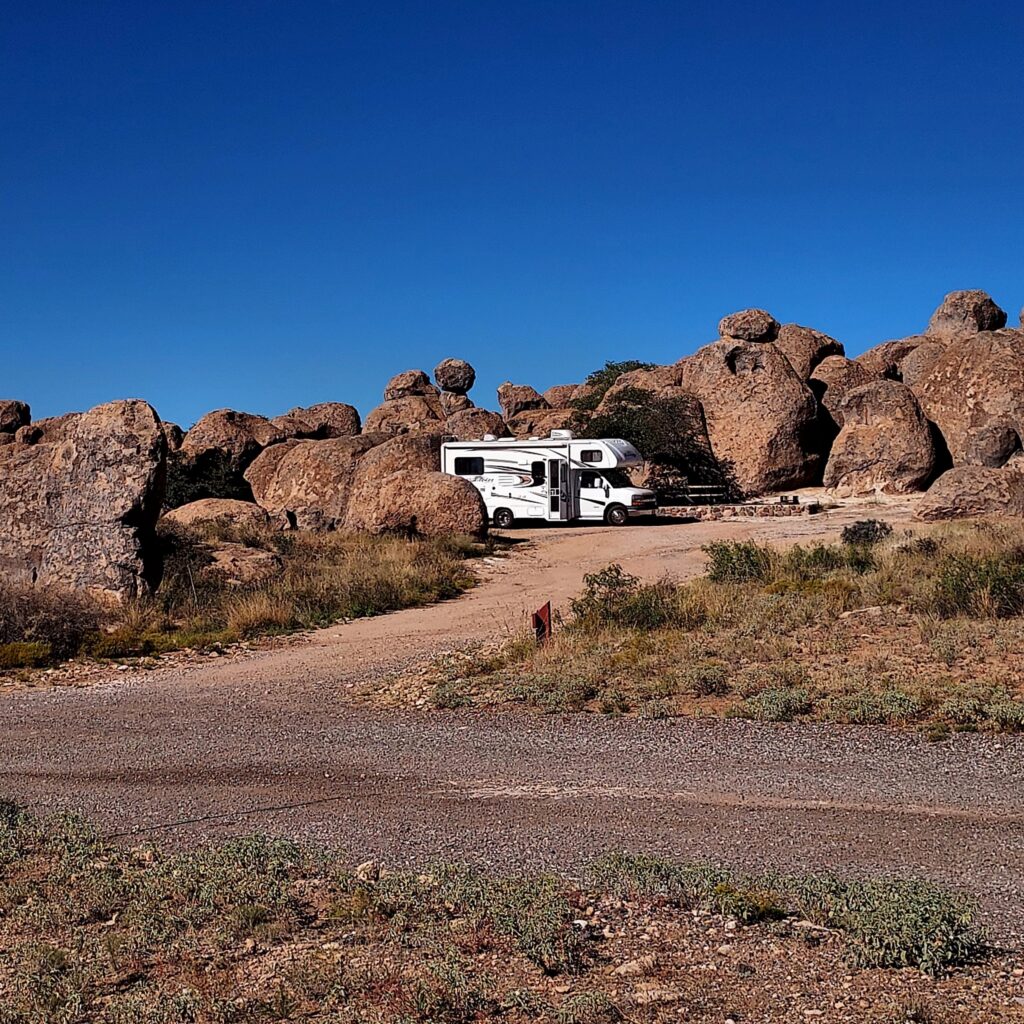
Photo: Steve Gazo
How Being on the Road Changes You
Like many couples, before their first long trip, Steve and Jo wondered: “Are we going to kill each other in here?” After all, even a big RV has space and privacy limitations.
Fortunately, the opposite happened. “I think it’s brought us closer together,” Steve shares. And the way he explains it makes sense. Out on the road, stripped of routines and distractions that allow people to share a home without really talking, a road trip forces you to go back to basics. You navigate together. Make decisions together. Sit outside at night with nowhere else to be and nothing to look at other than the stars, and you talk. Not about schedules and bills or what needs fixing around the house—and who’s going to do it—but about the deeper things.
“Once you relax like that, you talk about a little deeper things,” Steve says. “Emotion-wise and all around. It’s made such a difference in our lives.”
It also changed the way Steve thinks about everything. He has a theory: our brains have more or less destroyed us. Not through any dramatic failure but through the slow, relentless accumulation of thinking. Work, bills, food, logistics—the mental noise that fills every available space until there’s no room left for anything else. (And as an aside, we’ll add that the algorithms we’re now faced with don’t help at all.)
He explains, “We’ve more or less forgotten how to live through our senses. We don’t take the time to look, to listen, and to feel textures.”
Nature, he believes (and we agree) is the only reliable cure. Not a weekend in nature—a weekend isn’t long enough to undo the damage. He’s convinced that real change requires real time. The first week, you’re still carrying everything with you. The second week, it starts to loosen. By the third or fourth week, something fundamental shifts.
“The difference in your feelings and how you perceive things is unbelievable. It’s a totally different world.”
Photo: Steve Gazo
Steve compares it to yoga and meditation—practices that feel unremarkable at first and transformative only after you’ve stayed with them long enough. The more you immerse yourself, the more finely tuned your perception becomes. Until the small things—the way the wind moves through a field of rye, the sound a hummingbird makes in deep silence, the texture of bark on a tree that was alive before anyone you know was born—stop being the background and start to become the point.
You start to really appreciate the small, beautiful things that you never appreciated before,” he shares. And it helps you reset your priorities. What’s important. Actually have a little enjoyment in your life instead of stress and work, work, work.”
He then adds something that’s part joke, part confession: “Maybe I should have volunteered to get cancer 20 years earlier, and I would have enjoyed life a whole lot more.”
He laughs. But you can see he means it too.
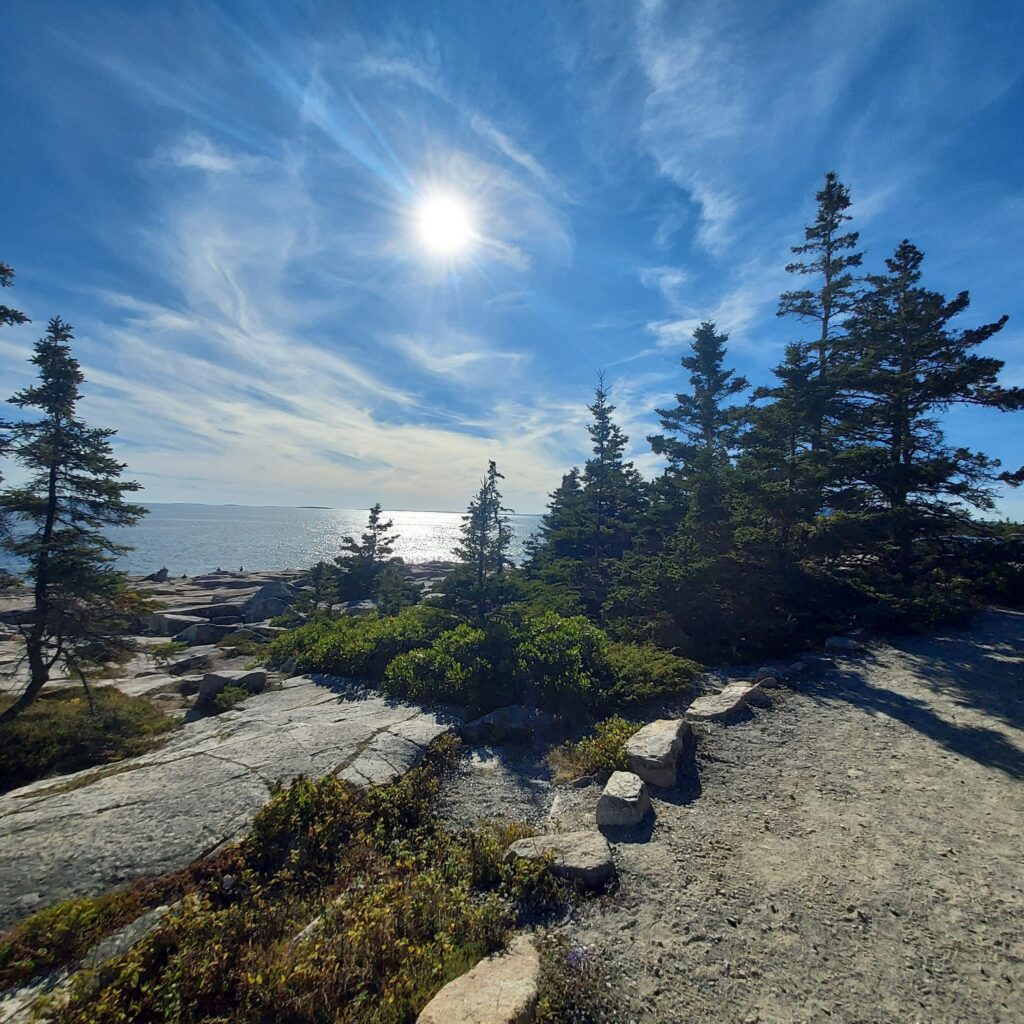
Photo: Steve Gazo
Secrets for the Road
Steve’s now been planning RV trips long enough to have learned some lessons well. Some of his advice is practical. Other is philosophical. Much of it is both:
Book early (earlier than you think): Steve keeps detailed spreadsheets. Each campground has its own row with reservation window, hook-ups, and whether it’s been confirmed. Some parks open their bookings nine months out. Some 12. Some six. Miss the window by a day, and you’ll probably be scrambling.
“I was on the phone a half a second after the window opened for a reservation and didn’t get a spot,” he says of trying to book Yosemite. He later read that 50K applications had come in within the first 10 minutes. “Some places, it’s like winning the lottery.”
The solution for Steve is to treat trip planning like it’s a part-time job—because that’s essentially what it is. “Once you start doing it, it can just get overwhelming. I can’t imagine trying to do it while working full-time. It would be near impossible.”
Skip the private campgrounds: Not every RVer agrees, but in Steve’s two or three visits to private campgrounds, he found they just aren’t for him. His feelings were solidified one evening (he thinks somewhere in Nevada) when a 40-foot Class A pulled in across from them, unfolded a giant flat-screen TV on the exterior, and proceeded to light up the campground past midnight.
“Why go out in the woods and sit outside and watch a big screen TV?” he asks. “The purpose is to look up at the stars when you’re out there. You can sit home and watch the TV.”
He’s found federal campgrounds and state parks are quieter, roomier, and populated more by folks who come for the outdoors rather than the amenities. The trade-off is that they require more planning (see above). The reward is waking up a hundred yards from the rim of Flaming Gorge with nobody around.
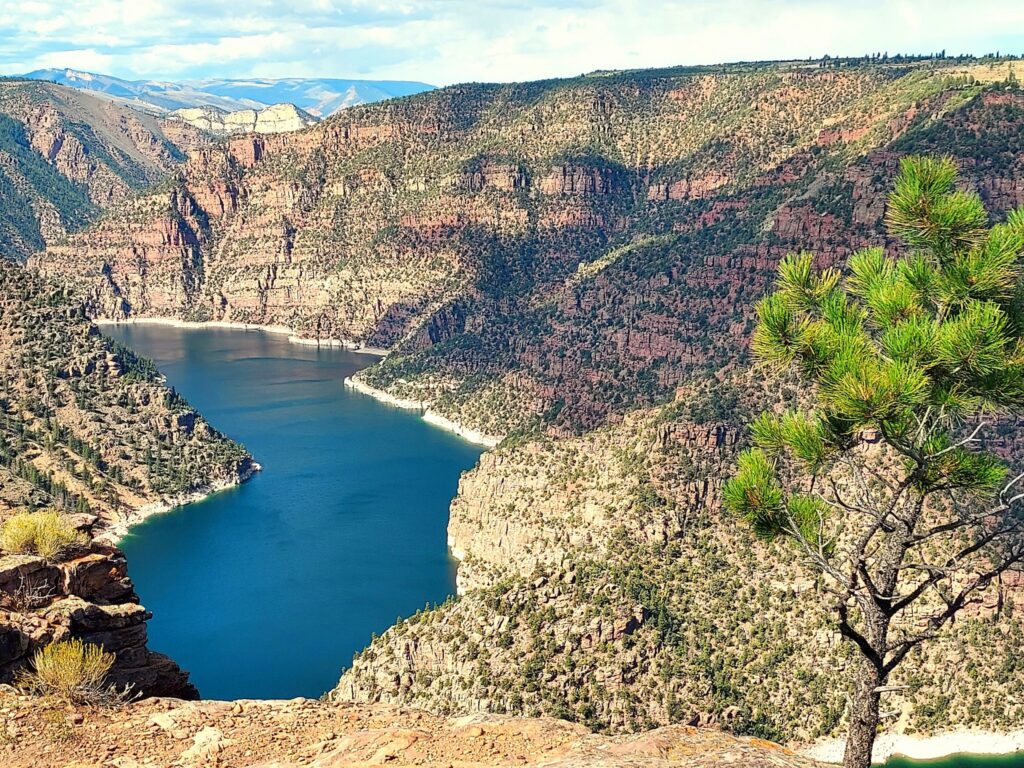
Photo: Steve Gazo
Go in the shoulder season: The crowds at popular parks can be staggering. For example, Steve and Jo arrived at Zion at 8 a.m. By 10 a.m., it was wall-to-wall people. “It was like walking down the boardwalk on the Jersey Shore. To me, that’s not enjoyable.”
His preference is to arrive after the summer rush—last September, October if possible. At Flaming Gorge in the fall, the campground was essentially empty, so they had the rim all to themselves.
Let the detour lead: Some of their most treasured moments came from places they never intended to visit. When his first choice was full, Steve found a better place. When the schedule fell apart around a hurricane, he skipped ahead and kept moving. The trip, he learned, has a way of offering something superior if you stay open to it.
“So far, everything’s worked out.”
Find the places with no address: One highlight was a campsite in Montana that didn’t appear on any map. You turn off at a road marker and find 12 sites along a river. Plenty of wildflowers. Only a scattering of people.
Look past the famous destinations on the itinerary—not instead of them but around them. You might just find a nearby option that’s quietly waiting for unhurried souls.
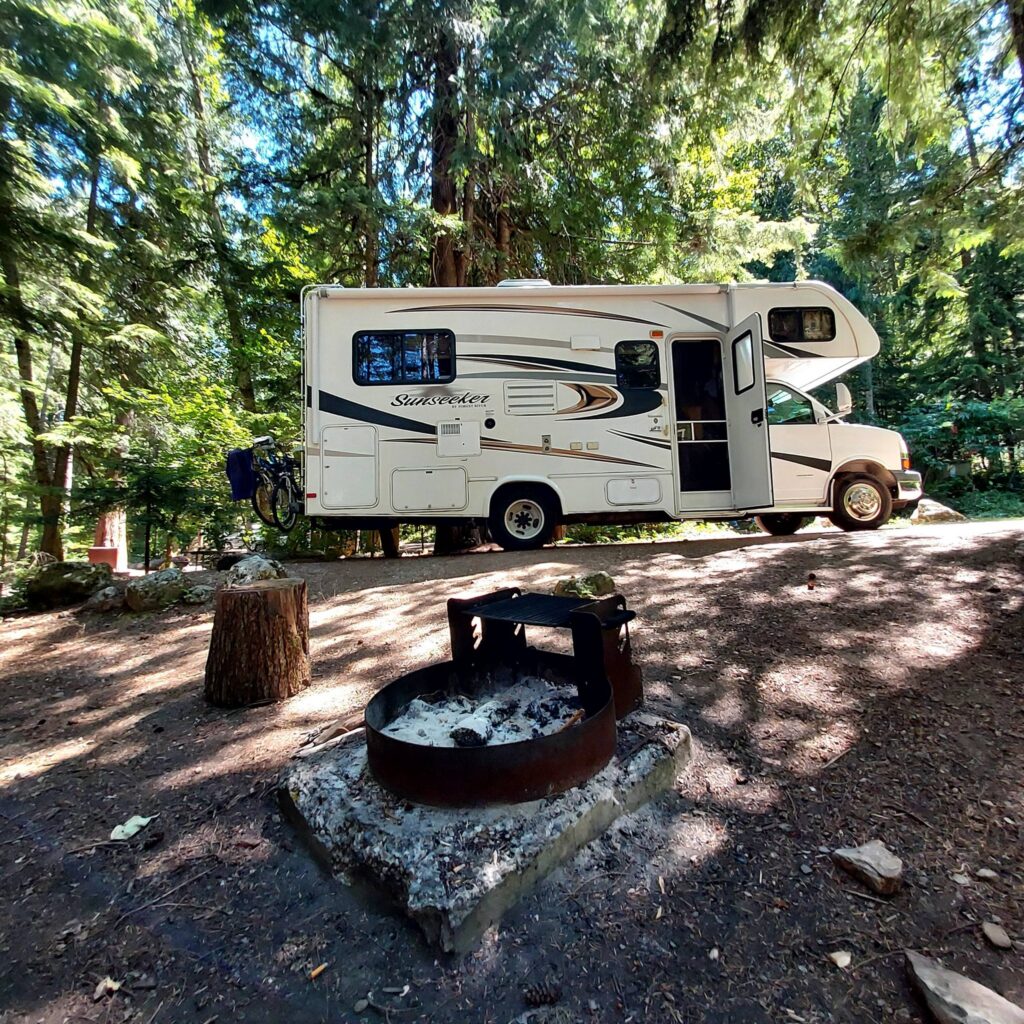
Photo: Steve Gazo
What’s Next?
Steve says at 71 years old, he’s slowing down. But it’s pretty hard to believe. Sure, instead of the big multi-month loops, he’s a little more focused on specific regions. A six-week run through the southeast of Florida this fall. Closer trips to places he loves in the northeast, like Acadia and The Adirondacks. The Pine Barrens are practically in his backyard, and contain years of pleasant memories from when he and Jo used to canoe when they were first married.
They still have some big adventures they dream about: Antelope Canyon—especially since they had to skip it on a previous trip due to truck problems. The Durango rail ride up into the mountains. Death Valley. More time in British Columbia, which he calls one of the most beautiful places he’s ever seen. And Alaska hovers out there at the edge of what’s possible since the drive alone is longer than most of their entire trips.
In the meantime, there’s also a sailboat in the bay. There are five acres in the neighborhood where he was born. There’s a garden and the satisfaction of a home base after years of loving what it means to leave one. Yet the road still calls.
“It was probably the best thing I ever did in my life,” he concludes. “Even after everything.”
If Steve’s travels sound like something you’d like to read even more about, he documented the whole journey—the disasters, detours, and the transformational moments in between—in his book RV Travels with My Girls. He’s currently just finished book two on their travel adventures and is working on getting it published. Next year, he hopes to publish a photo book that will bring the landscapes to life. In the meantime, you can find him on Facebook, still posting pictures and planning their next trip.
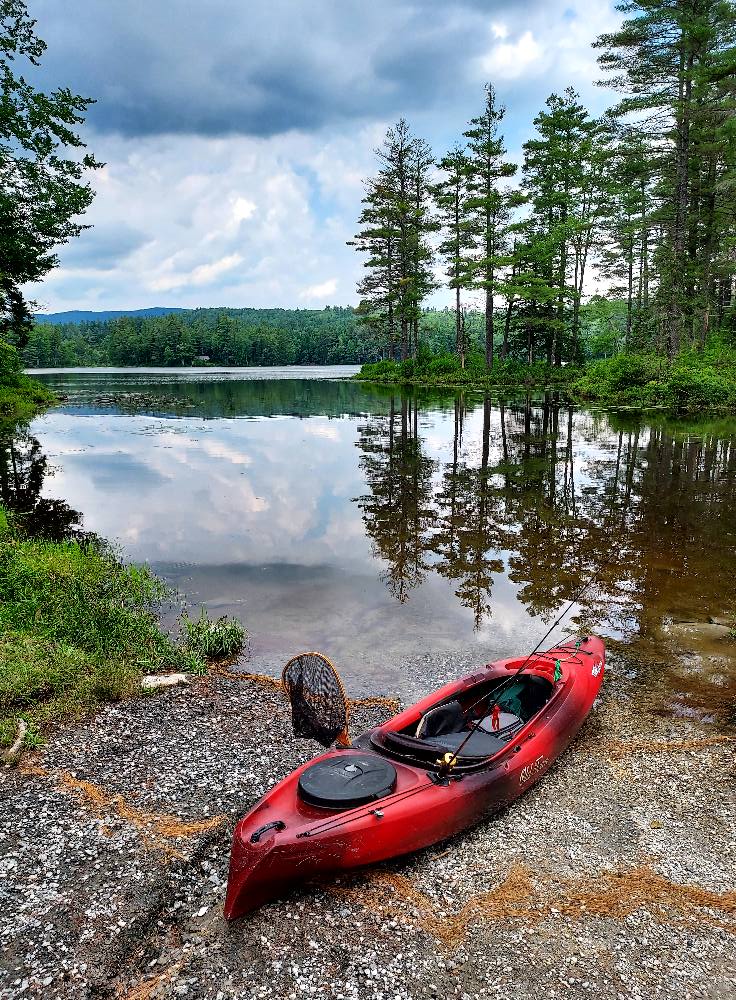
Photo: Steve Gazo