

We’ve gotta be straight with you. Back in the day, we made mistakes. More than one. The kinds that make you wonder, as you’re watching water dripping into your RV after a heavy rain, how in the heck you missed it. You checked the roof. The seals. Walked around the RV more than once. But somehow, you missed a fairly big issue.
This issue, though, demonstrates how optimistic we can all be when faced with a new (or new to you) rig, especially if it’s the perfect size and layout. You wanted to see a great rig. So, you did.
Purchasing a new (or used) RV is a pretty significant investment for most of us. We’re talking tens of thousands of dollars—sometimes well into six figures. Yet a lot of buyers—including ourselves, early on—spend more time debating length, types, floor plans, and color schemes than actually inspecting what could go wrong (or in some cases, already has).
Let’s change that today.
RVs are complex machines. Part home, part vehicle—designed to move down the highway at 65 miles an hour, while keeping your food, gear, and everything you need to be comfortable in more remote areas. That complexity, combined with stress, means things can break. And manufacturers don’t always get it right the first time (or make it right after something goes awry).
If you haven’t already learned what to look for, everyone needs to start somewhere. One excellent option is to hire a certified RV inspector before you buy. Yes, it may cost you hundreds of dollars. But it could save you thousands—along with preventing delays on the road. Another option? Bring along a friend who’s owned a few rigs and learned those lessons on the road (often the hard way). A set of experienced eyes can see things a hopeful buyer can skim right past.
Whether you’re at the RV lot kicking tires, at an RV show comparing models, or in someone’s driveway checking out a three-year-old (or three-decade-old) unit, the same rules apply: use your eyes and ears, trust your instincts, and most of all, don’t let excitement override your common sense.
That funny smell… that soft spot in front of the side door … that seam that just doesn’t quite line up… that new lamination or spot repair… those things are all telling you something. Listen.

Photo by Blake Wisz on Unsplash
Key RV Design Flaws to Watch For
1) Signs of Water Entry
Water is the silent killer of RVs. As you inspect, run your hands along the walls, especially around the windows, slide openings, and anywhere there’s a seam. Press on the ceiling. Walk on every inch of the floor. If anything feels soft, spongy, or looks discolored, it may not just be a cosmetic issue. There could be a problem that’s been brewing beneath the surface for a bit. While we love to see an updated and refurbished older RV, stains that someone painted over can be a tell-tale sign that they don’t want you to see the whole picture. Don’t just use your eyes. Use your fingers and other senses to make sure nothing’s been covered up.
2) Roof Condition and Sealant
If at all possible, grab a ladder and get on top of the rig. Look for cracks, bubbling, or soft spots, and pay close attention to the sealant, especially around the vents, skylight, and AC unit. Over time, sealant dries out, shrinks, and cracks. And when it does, water can find its way in—fast. On a used unit, ask when it was last resealed. On a new one, don’t assume the factory did it perfectly. (They don’t always.)
3) Floor Structural Integrity
This bears repeating: Walk every single inch of the floor slowly. You’re feeling for soft or spongy spots—which usually mean water has sat long enough to cause rot. Pay extra attention near the entry door, around the slide room edges, and in the bathroom. These are high-risk zones. A little give underfoot isn’t normal. It’s a warning. Don’t ignore it.

Photo by Ben Iwara on Unsplash
4) Test EVERYTHING
Many people are so excited about the floor plan, extra storage space, or actual counterspace that they overlook the appliances. Especially in new units, you may just expect them to work. Before you buy, it’s vital to turn on the furnace and the AC. Try both burners and the oven. Open the fridge and make sure both the fridge and freezer are cold. Run the water to make sure the water heater heats the water.
A fridge that turns on but never gets cold, a furnace that runs for a couple of minutes and then shuts off, an AC unit that only turns on a fan (or doesn’t turn on at all) are all expensive fixes you don’t want to discover only after you’ve pulled off the lot or out of the driveway.
5) Slide Rooms
If you didn’t already test it, now’s the time to cycle every slide in and out multiple times. You’ll also want to watch the whole process both inside and out. This is one place to really use your ears. Listen for any grinding, hesitation, or anything that sounds like it’s working harder than it should. While you’re at it, inspect the seals around the slide to make sure there aren’t any gaps or obvious signs of wear. When the slide is extended, look at the floor transition. Uneven gaps or misalignment can indicate the mechanism is already worn or the frame has experienced stress.
6) Plug it In (If You Can)
Plugging into shore power or firing up the generator allows you to test every outlet and light and to check the inverter and converter. Open the breaker panel and look for any signs of DIY wiring. Mismatched wire colors, double-tapped breakers, anything that looks modified or improvised. Electrical problems in RVs can range from annoying to truly dangerous. And amateur or on-the-road fixes are more common than you’d think. Some are done very well. Others need to be addressed or redone completely.

Photo by Lawton Cook on Unsplash
7) Plumbing and Tanks
Turn on each faucet and run water through it. Flush the toilet. While the water’s running, get down and look under the sinks for any current leaks. Then check for any staining, soft cabinet floors, or any signs of past leaks. Ask about the gray and black tank valves—stuck or cracked valves are headaches nobody wants to deal with on a trip. On a used unit, especially, a little due diligence here saves a lot of very unpleasant surprises down the road.
8) Leveling Systems
Many newer units come with some pretty slick automatic leveling systems. If the unit you’re considering has one, run it through a fuel cycle. Use your ears to listen for any sounds that sound labored or off. And watch to make sure all jacks both extend and retract properly. Hydraulic systems can develop slow leaks that aren’t obvious. You don’t want to find the issue when you’re parked on a slope, and nothing works. Manual systems are simpler for sure, but you’ll still want to check the jacks to ensure there are no bends, cracks, or corrosion.
9) Tires
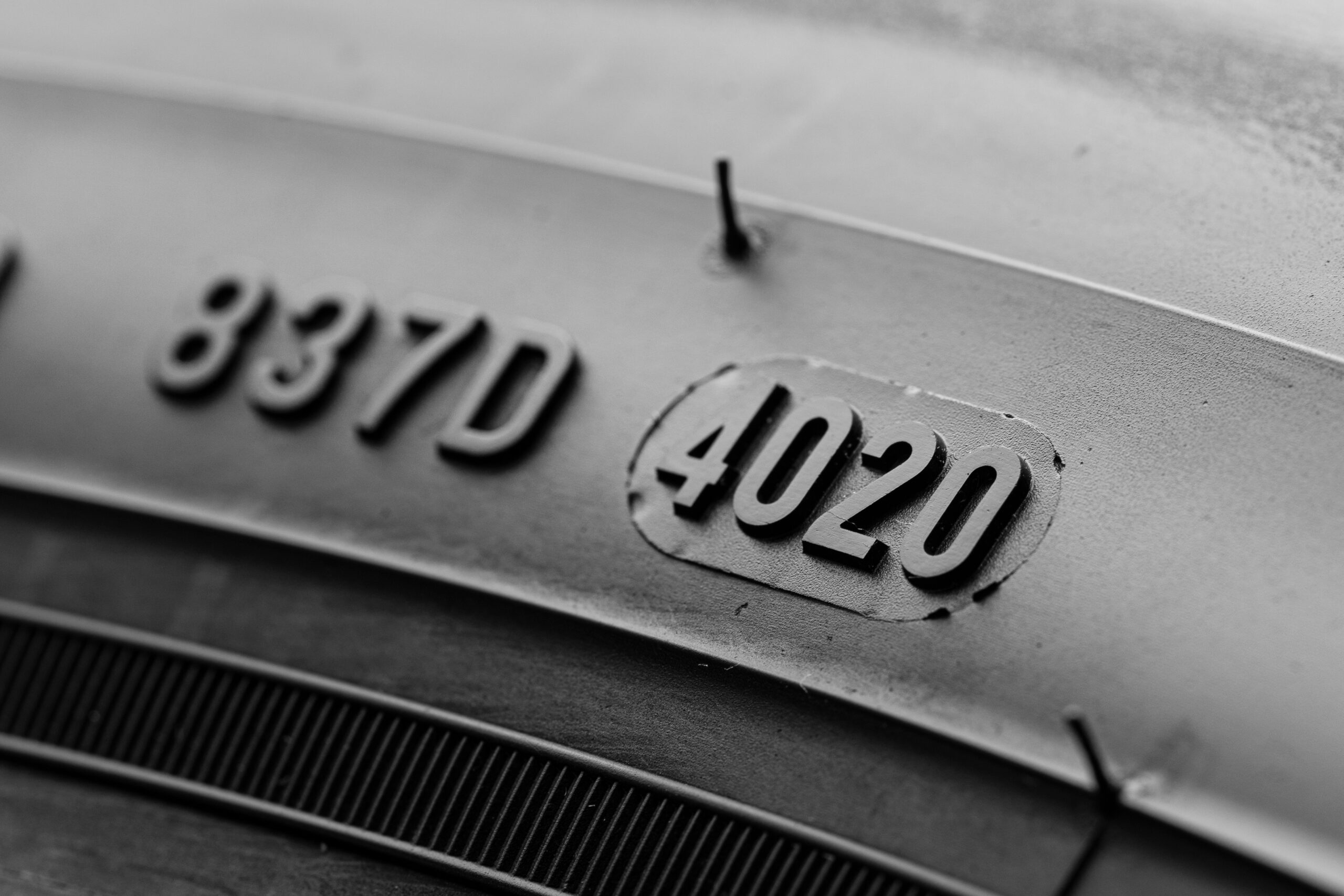
Tires often look fine. No obvious signs of wear and tear. But here’s an important tip: tires have a date code on the sidewall with four digits that tell you the week and year they were manufactured. RV tires that are more than five or six years old are a liability—no matter how good the tread looks. The sidewalls can dry out and crack, increasing the risk of a dangerous blowout. Also look at the brand. Cheap, no-name tires on a heavy unit are a gamble. A blowout at highway speed on any RV is a serious event.
10) Hitch and Chassis
If you’re looking at a towable, remember to inspect the frame, coupler, and safety chain attachments carefully. Look for cracks, welds that don’t look professional, or anything that’s been bent and straightened. On a motorhome, get underneath if you can and look at the frame for rust, cracks, or signs of a previous collision repair. The bones of the rig matter as much (if not more) than everything inside it.
The Little Things Add Up
It’s often the small, easy-to-miss details that end up telling the biggest story. On one walk-through, we tried the windshield washer fluid. Nothing came out. Not because the reservoir was empty but because a rodent had chewed clean through the lines. That one small discovery opened up a whole new line of questions about where else that rodent (and his family) had been and what else they’d gotten into.
Use your eyes and ears, but don’t discount your gut. That nagging feeling that something’s off. Follow it. Crooked trim is an easy fix. So is a door that doesn’t quite latch right. But they can indicate the need to look deeper. Those little details aren’t always nothing.
Save your excitement and optimism for the road—where they belong. Before you sign anything, tap into your inner pessimist. That voice that’s always seeing the problems (no matter how hard they are to find). Look at the full picture, not just the big beautiful one you’re hoping to see.
The right RV is out there, and when you find it, you’ll hit the road with confidence instead of ragret regret.