
There’s nothing quite like waking up to a glorious view, brewing up some coffee in your own galley, and getting ready to deeply explore a new region. No checkout time, no shared walls, no luggage to live out of, no flight to catch. Just you, your rig, and the open road… But before you sign up for a big investment—often tens of thousands of dollars or more—or commit to driving cross-country for weeks or months on end, you may want to consider renting an RV.
While we’ve talked with plenty of RVers who just bit the bullet, bought the rig they fell for, hit the road, and never looked back, others are a little more cautious. Renting an RV can be a smart move, whether you’re RV-curious and want to test the lifestyle before you invest, a seasoned camper looking for an upgrade (or ready to scale down), a road-tripper who just wants the freedom of the open road without the long-term commitment, or someone who’d rather fly to the Pacific Northwest and explore it on four wheels than spend weeks getting there.
The key term here is smart. Renting an RV isn’t quite as simple as picking up a car at the airport or even renting a moving van. You’ll find countless platforms to navigate, fine print to read, inspections to document, and costs that can add up faster than miles. Done right, it’s one of the great travel experiences. Without the proper preparation, on the other hand, you’re heading toward potentially very expensive surprises.
Let’s hit the road to help you prepare—from where to find a rental to how to protect yourself to money-saving tips.

Where to Find a Rental RV
In recent years, the rental landscape has expanded. A lot. You’ve got more options now than ever before. From commercial chains to your neighbor’s rig waiting patiently in their driveway.
Peer-to-peer platforms, often referred to as the “Airbnb of the RV world,” like Outdoorsy, RVshare, and RVezy (great for Canadian routes) allow private owners to list their own rigs for rent.
Depending on the region, the selection is enormous. You can find everything from high-end Class A motorhomes to self-built camper vans to travel trailers, fifth wheels, and pop-ups from virtually any brand. Many come well-stocked with gear or have inviting personal touches and are shared by owners who truly want you to have a magical experience. To fall in love with RVing as much as they have and join this fantastic community of road-trippers.
Quality and pricing vary considerably. So, take the time to read reviews carefully. Many people look for experienced hosts. On Outdoorsy, for example, you can filter for “Superhosts.” That said, it doesn’t hurt to look at some newer entries with fewer reviews as well —they often are trying hard to eventually become superhosts.
If you’re looking for a more standardized experience, commercial rental companies may be a better fit. Cruise America, for example, has over 130 locations across North America. Because they have the largest fleet in the country, they’re a solid choice—especially for one-way trips. For example, if you want to fly into one city and fly out of another.
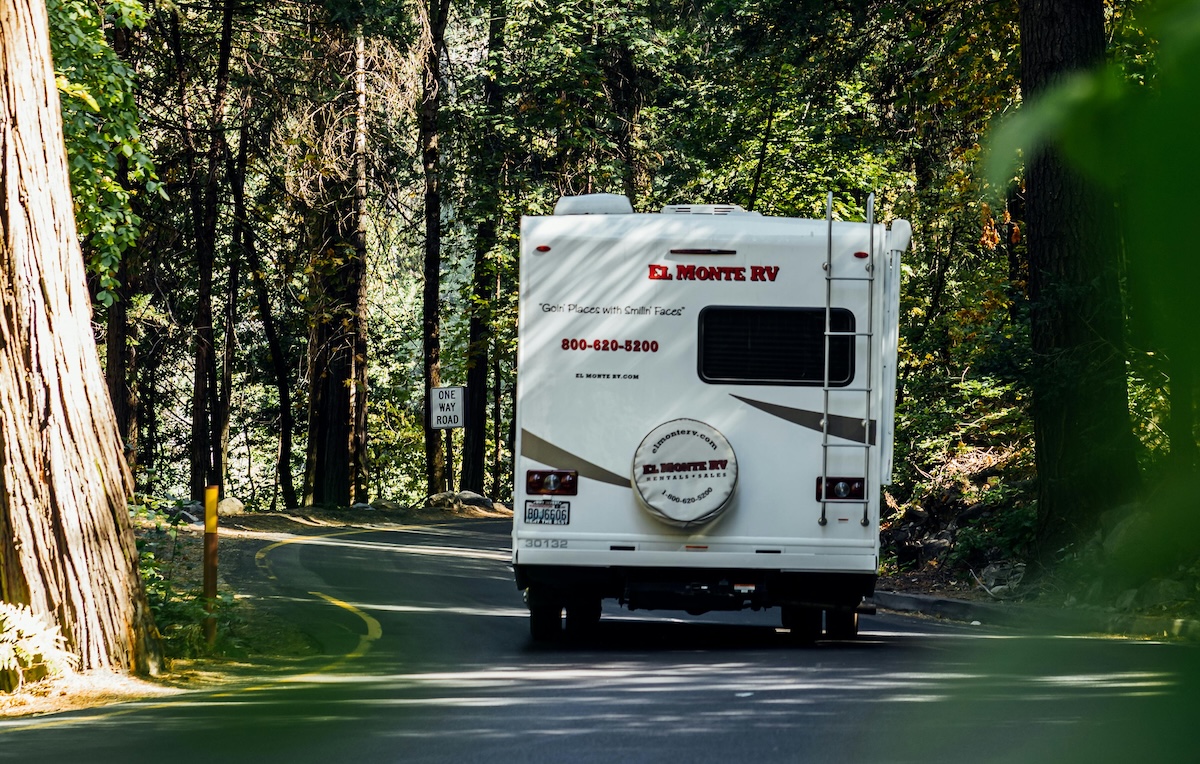
Other well-established options include El Monte RV, which offers a number of travel extras, and Roadsurfer, a European campervan company that’s expanding into the U.S., primarily on the West Coast. Their vans are modern and well-equipped, but U.S. reviews have been mixed so far. Some renters report a “just-a-number” experience.
No matter which company you’re considering, it’s always a good idea to read the most recent feedback before booking to see if they’re dealbreakers or if they’re things you think you can flow with.
Local and regional individuals and dealerships are often an overlooked option, but they sometimes offer the best value. A quick search for your location or destination city/RV rental can turn up smaller (or even single) operators who offer competitive pricing, flexible terms, and the kind of personalized service chains simply can’t match. And if it’s a dealership, you can experience firsthand how they treat customers before you buy.
Another interesting option is delivery and stationery rentals. Some owners on peer-to-peer platforms will deliver an RV directly to your campsite. You never need to drive it at all. This is a sweet option for families who want the RV experience without the learning curve of operating one or listening to the calls of “Are we there yet?” the entire drive. They’re also a fantastic solution for folks who want a base-camp-style setup.
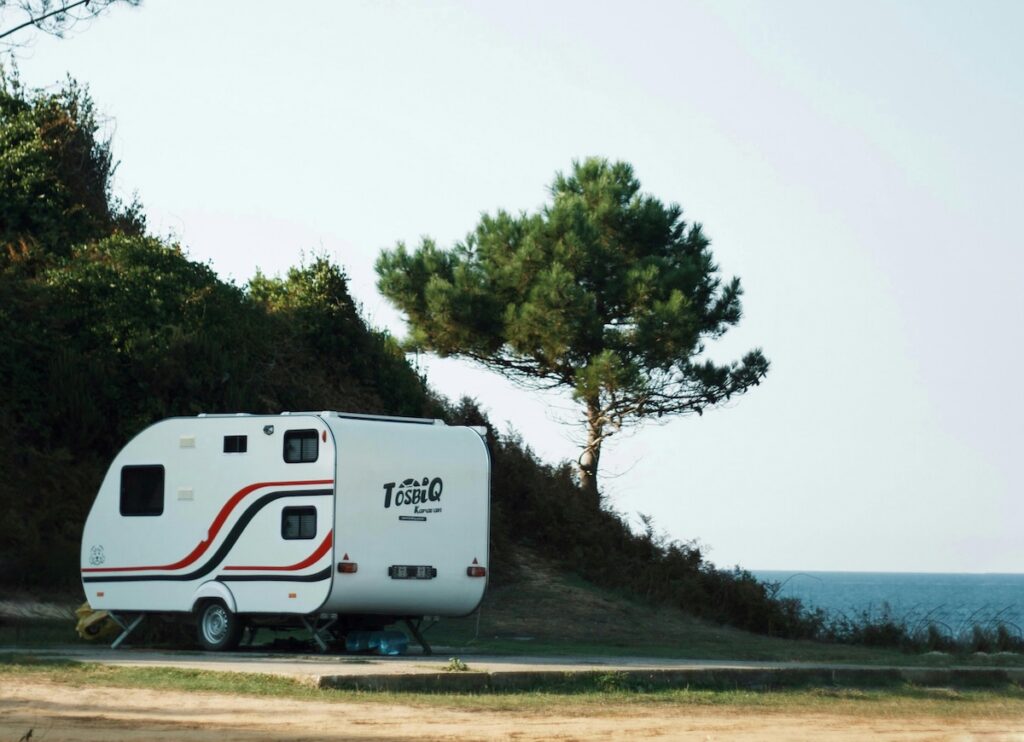
Photo: hicret
The Pros and Cons of Renting an RV
With any travel choice, there are both real advantages and some honest drawbacks. You want to know what you’re up against before you book.
The pros are pretty darn compelling. Most of all, you get to enjoy the full RV experience with none of the long-term commitment. No depreciation. No storage fees. No monthly insurance premiums (on top of the payments). No unexpected repair bills. You can try a Class C before deciding you really want a Class A (or vice versa). Or that a toy hauler is a non-negotiable or not actually necessary. You can test out a campervan before committing to a build—only to find out the outdoor shower really isn’t doable after a long hike.
For destination travelers, say those flying into Seattle to explore the Olympic Peninsula, or flying into Alaska for your great adventure, renting locally can mean you skip the thousand-mile drive all the way there. You can get right to the good part. And once the trip is over, you hand back the keys and hop on a flight home.
There are, of course, also drawbacks that deserve a mention. For instance, the sticker price you see is rarely the price you’ll pay. Hidden fees—from mileage caps to generator hours to cleaning fees to convenience kits to one-way surcharges—can all add up. Sometimes as much as $150 to $300 per day beyond the base rate. Popular destinations (campground fees) can run up to $50 to $100 a night or more for a full-hookup site. And don’t forget the cost of fuel. Towing can decrease your mileage by up to 50%. And motorhomes aren’t exactly known for their good gas mileage. When you add it all up, an RV rental trip can cost as much as, if not more than, a comparable hotel vacation.
We’re not suggesting you skip it. Rather, we just want you to go into the process clear-eyed. Most people who have done it will tell you it’s worth every penny, er nickel. There’s simply no substitute for the freedom of the open road, waking up somewhere away from the crowds, and living on your own schedule.
Just make sure you’re choosing the experience, not assuming this is the most budget-friendly option.
One more note: campground reservations are not optional. Popular campgrounds—especially in national parks—can book up months and months in advance. Lock down your sites before you finalize the rental, not after.
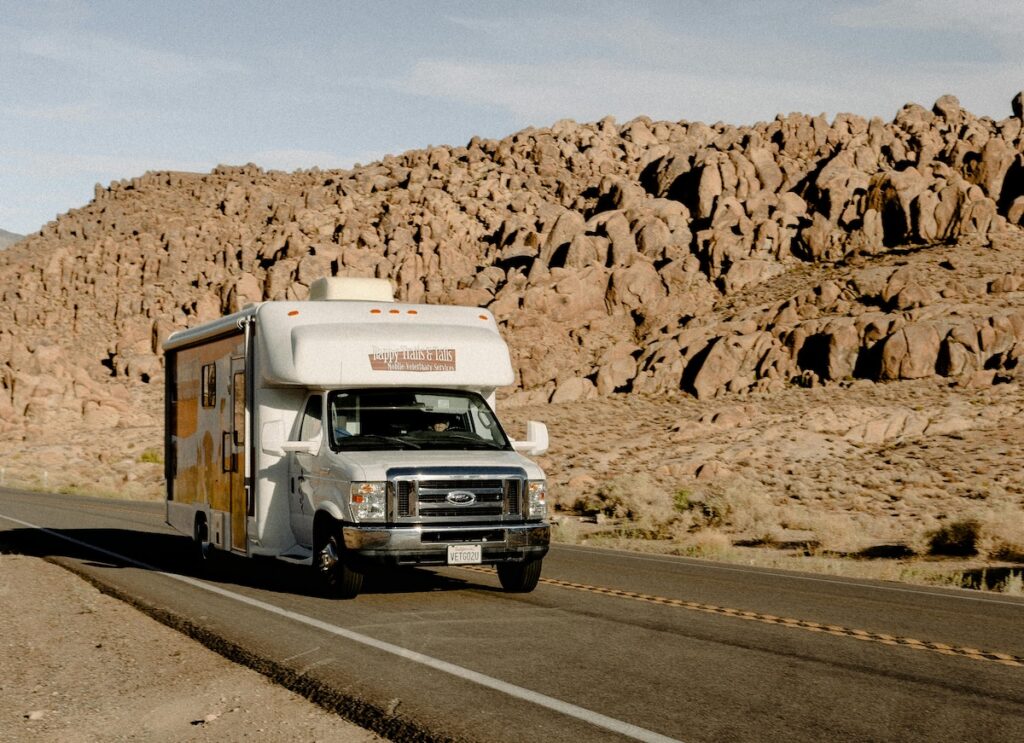
Photo: Wendy Wei
Don’t Ignore the Fine Print
We’ve all been told to read the fine print before we sign. Most people don’t. Most contracts are so dang long. By some accounts, if we read all of the fine print we encounter in just one year, it would take about 76 full workdays—or about a quarter of the year. No one has time for that.
But when you’re making a major purchase, you don’t want to skip this part. There’s key information you need to know, including:
Insurance: Even if insurance is included, call your auto insurance provider and ask specifically whether an RV rental is covered and to what extent. Check your credit card benefits too—some include rental vehicle protection.
If you’re renting through a peer-to-peer platform, you’ll need to understand what their coverage includes and where it ends. Commercial rental companies offer their own insurance packages that can feel like an upsell as they’re handing you the keys. This added insurance exists for a reason. Accidents are called accidents because nobody plans them.
Agreements: Beyond insurance, it’s important to understand what you’re agreeing to. Mileage limits, for instance, are common, and if you go over, you’re going to pay per mile. That’s not a big deal if it’s 10 to 20. But hundreds?
Some include generator usage. Others meter and bill by the hour. Pet fees, late return penalties, and specific fuel requirements (some require diesel) can all be buried in the contract.
Don’t forget to check the cancellation policy, which can vary widely between platforms and operators.
In other words, it’s important to read the details, so you’re clear on what you’re agreeing to.
Platform Policy: If you’ve found an owner through a platform like Outdoorsy or RVshare and are considering booking directly to save money, make sure you understand the trade-offs. For example, you’ll be stepping outside of the platform’s insurance umbrella and dispute resolution process. For some renters who have solid independent coverage, this is reasonable (and even smart). For others, the added platform protection is well worth the premium.
Again, none of this should deter your adventure. It’s just to help ensure the surprises on your trip are only the good ones—like spotting elusive wildlife, stars like you’ve never seen before, and a whole different type of quiet.
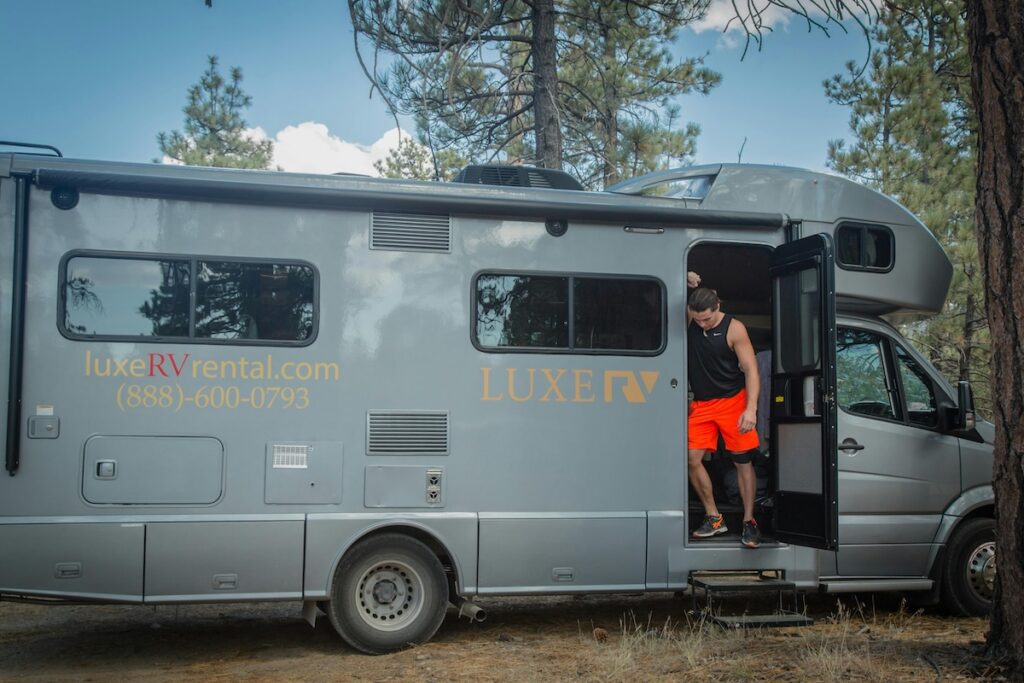
Photo: Luxe RV Rental
The Pre- and Post-Trip Inspection: Protect Yourself!
Before you drive off the lot or accept delivery, document everything! Walk through the exterior and photograph every scratch, dent, scuff, and ding—no matter how seemingly small. Do the same inside: check the upholstery, appliances, slide-outs, awnings, windows, and any included gear. Take images or video and make sure it’s date-stamped (i.e., have date and time metadata enabled on your phone or ensure the date is visible as you take the video).
If there’s any type of dispute later, you’ll have evidence that that ding was indeed already there before you drove down the highway.
Next up, check the tanks before you go anywhere. Fresh water, gray water, and black water. The tanks that should be empty—gray and black—need to be confirmed empty before you accept the vehicle. Inheriting someone else’s waste situation is quite the unpleasant way to start a trip. And some rental companies have been known to pass the problem right on to the next renter.
Don’t assume. Check.
Upon return, the same rigor applies. Walk the rig again with the same care you did at pickup. Note anything that happened during your trip. Honest disclosure upfront is almost always handled better than a disputed charge later.
Return it clean, tanks emptied and flushed, and fuel topped off per the agreement.
Remember, this is very much like returning a rental car. Only the stakes can be significantly higher, and a toilet is often involved.

Keeping Costs Reasonable
A little planning goes a long way!
Book well. Early bookings typically get the best selection and pricing, especially for peak summer travel. But if you’re flexible, last-minute availability can also yield deals as owners try to fill empty calendar slots.
The shoulder seasons (May, early June, September, early October) tend to offer lower rates, smaller crowds, better campsites, and better weather than the height of the summer. But not everyone can get away during those times. And some folks truly prefer the crowds.
Watch for sales. Yep, even RV rentals come up on special. Black Friday deals, advanced bookings, and multiple bookings can all provide meaningful savings. Many platforms also run promotions around major holidays and the new year. Signing up for email lists to get word of these deals is often worth it.
Look at the total costs. When comparing two or more rentals, don’t just look at the nightly costs. Add up everything: base rate, mileage package, generator fees, cleaning fees, insurance, and any required add-ons.
A cheaper nightly rate can easily become the more expensive trip once the fees stack up. Make sure you know what’s included and what isn’t before you decide.
Ask about a mileage bundle. Some companies offer mileage bundles that are often worth the cost. Per-mile overage charges are almost always more expensive than purchasing the package at booking. Estimate your mileage generously—give yourself a bit of a buffer. You can often get a partial refund on unused miles, but you can’t go back in time and buy it at the cheaper rate.
Bring your own gear. Rental companies often charge a premium for convenience kits with bedding, towels, kitchen supplies, and camp chairs. If you’re a destination camper, that can make sense. But if you’re picking it up near home, you likely already own some or most of these basics. And you can just bring your own (if allowed). It’s an easy way to trim $50 to $150 off the total charge.
Book direct. Finding a well-reviewed host on one of the platforms and then reaching out directly can sometimes unlock better pricing and a more direct relationship. Google can be your friend here. Just remember to go in with your eyes wide open, as there are trade-offs with this approach.

Rent an RV Takeaways
Remember, renting an RV isn’t always a budget travel hack, not a stopgap before buying. It is, however, a wonderful way to travel. It is also a great way to test the lifestyle or a specific rig before you commit fully. And it allows you to explore regions much more deeply than living out of a suitcase in a hotel room ever could.
That said, the renters who gain the most from the experience are the ones who go in well-prepared. They read the contract, photograph every inch, confirm insurance coverage (well before it’s needed), check campground reservations in advance, and budget for fuel, campground fees, and that inevitable stop in a cute small-town diner they’ll still be talking about years later.
Those who go in with realistic expectations find the road has a way of delivering what you put into it and more. Happy travels!