
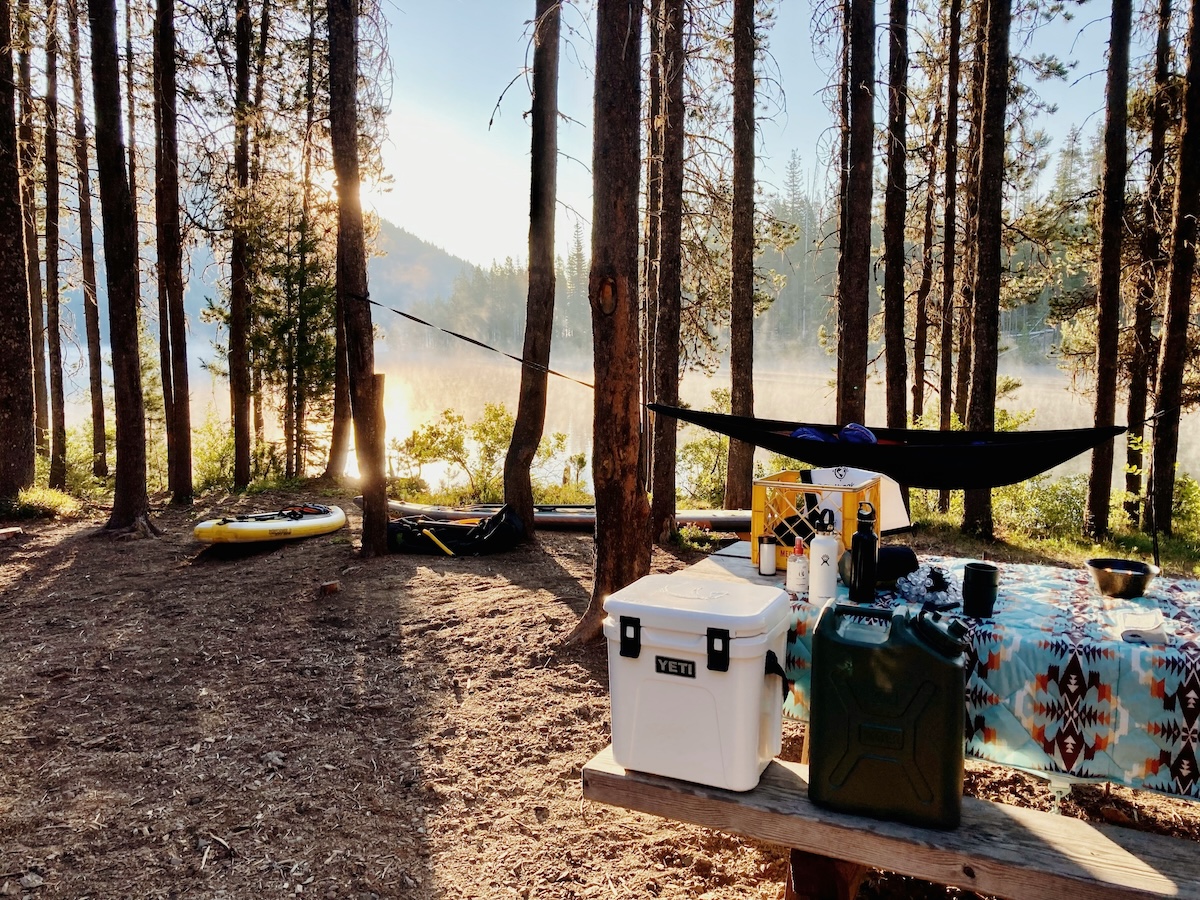
Anyone who’s camped this year will likely tell you the same thing: the bugs are relentless! Ticks, especially, have become common subjects in casual chats around the campfire, inside camping forums, and honest-to-goodness freakouts in the bathhouse. Mosquitoes, of course, aren’t far behind, with many folks comparing bites to see who has the biggest bumps and trading tips on how to stop the itching. Please!
Regular campers would never let a few pesky bugs keep them from the great outdoors. But this year, many of us are a little more cautious—if not downright reluctant to take our chances. Especially after reading the news stories about increasing cases of alpha-gal, Lyme Disease, and West Nile virus. No, thank you very much.
Fortunately, a few smart habits and the right products can turn your campsite back into the peaceful escape you came for. Spiders, for the record, are exempt as they’re fully on our side. We just want to encourage them to enjoy their bugs outside rather than wandering free-range through our rigs.

Know Thy Enemy
Not all bugs are enemies. Some are truly beneficial and fun to watch and learn about. Those aren’t the ones we’re addressing today. We’re getting out our microscopes and examining the worst offenders. The ones that make you wonder if you should just pack up your rig and find a new place to camp—or wait until a less buggy season.
TICKS
With the rise of real risks, including Lyme disease, alpha-gal syndrome (the one that makes you sick every time you eat meat), Rocky Mountain spotted fever, and more, ticks are campsite enemy #1. They don’t jump or fly. They just wait patiently in tall grass and brush. And when you walk by, they simply hitch a ride and make their way toward your soft, tasty flesh. They’re slow-moving, patient, and way too good at finding little crevices to painlessly burrow into, like the back of your knee, armpits, or the nape of the neck. Ick!!!
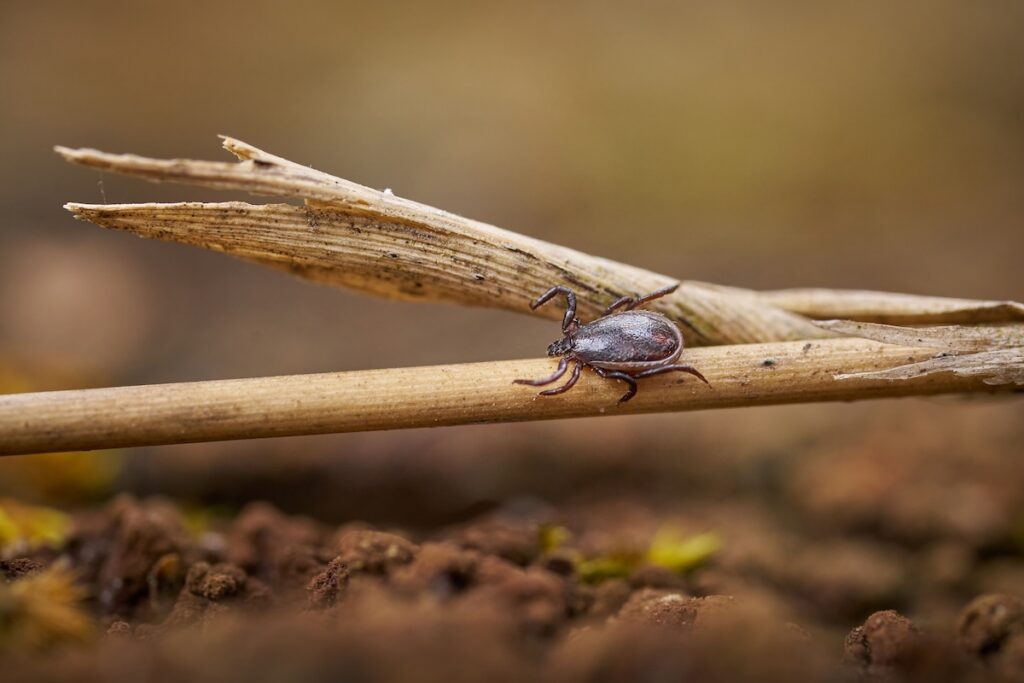
Photo by Tommes Frites
MOSQUITOES
Ahh, the classic little buzzers that drop in for a little sip of blood, leaving you with little- to medium-sized bumps that linger (and itch) for far too long. They are drawn to standing water (where they lay their eggs), warm bodies, and, often, one specific person in every group. Me, usually me. I swear I have an all-you-can-eat buffet banner over my head that only bugs can see. Dawn and dusk are their favorite times to snack.

Photo by Erik Karits
GNATS AND NO-SEE-EMS
How can something so small be so maddening? And how do they always seem to find their way into your eyes and ears? They’re typically worse around creekside campgrounds and pack a surprising punch for something you can barely see.
BITING FLIES
Ouch!!! Horse flies and deer flies come in hot, and you know immediately if they find you! Sure, they’re usually harmless. But that doesn’t make the welts they leave behind any less painful.

Photo by Erik Karits
What about spiders? Yes, some can bite and leave small, itchy bumps (with a few notable exceptions). But honestly, most of the time, these little critters bite way less often—usually only when they feel threatened. Plus, they’re a powerful member of your pest control army as they feast on the annoying bugs mentioned above all day long. So, the goal isn’t to banish them from existence. We just want to encourage them to take it outside.
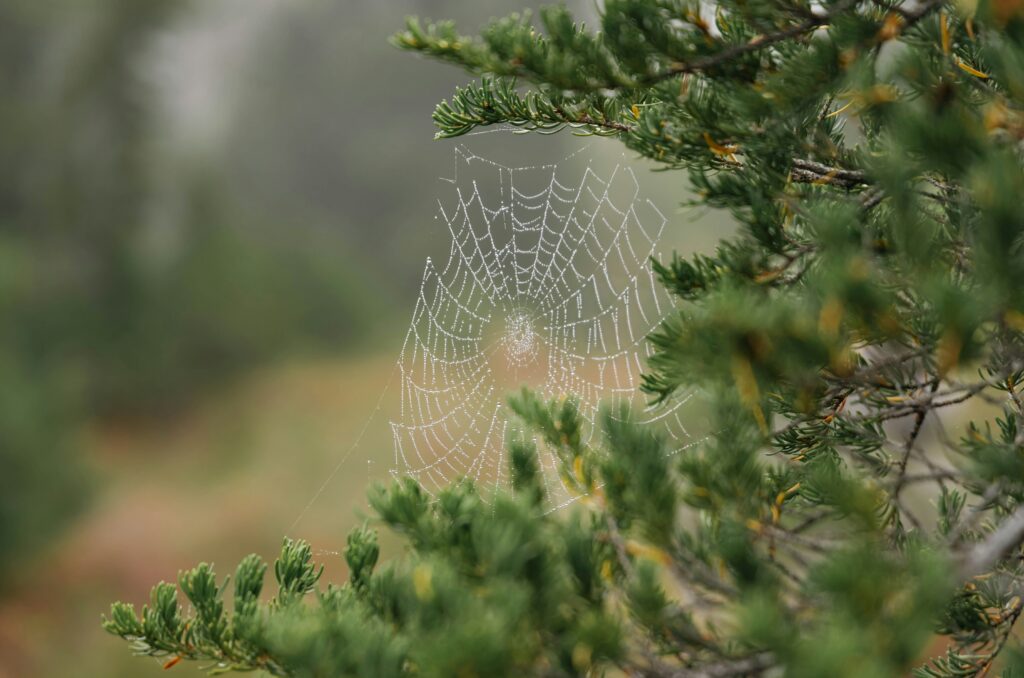
Photo by Will Goodman on Unsplash
What to Do If You Find a Tick
Sometimes, despite our best efforts, something gets through. Here’s what to do if you find a tick:
- Remove it right away: You want to deal with it as soon as possible, rather than continuing your hike, tossing your line into the water, or kicking back by the campfire for just a bit longer. Use fine-tipped tweezers and grab it as close to the skin as you can. Then pull straight up with steady, even pressure. Avoid twisting, using matches, or covering with nail polish as these old-school techniques actually increase your risk of disease. Smothering ticks irritates them and can cause them to regurgitate their gut contents and any bacteria or viruses they carry into you. Gross, I know.
- Clean the area: Use soap and warm water to clean the bite once you’ve removed the tick. Then swipe with rubbing alcohol to make sure the skin is completely clean and, hopefully, to kill any residual bacteria or viruses.
- Grab your calendar: It’s a good idea to note the date. If you can, snap a photo of the tick before you dispose of it. If anything develops down the line, this info can help your doctor treat you more effectively.
- Watch it: A small red bump is common with tick bites. A spreading rash, especially one with a bullseye pattern, or flu-like symptoms, on the other hand, are clear signs it’s time to get in with your healthcare professional.
- Deal with the discomfort: If the spot itches or aches, use some OTC hydrocortisone cream or an oral antihistamine for some relief while you keep an eye on it.
The faster the tick is removed, the lower your risk of disease transmission. So, during tick season, a quick nightly tick check for everyone (including any pets) is one of the best habits you can add to your routine, whether you’re camping or just enjoying some time outdoors. And throughout the day, pay attention to any creepy crawlies. You can often flick them off before they nestle in.

Photo by Roadpass on Unsplash
What to Do for Mosquito and Fly Bites
Yes, these are less risky than tick bites, but the itch they leave behind is their own kind of keep-you-up-all-night misery. Here’s how to deal:
- Don’t scratch: Yeah, right. So much easier said than done. But scratching can break the skin, increasing the odds of an infection. And it really only makes it itch worse.
- Wash it: A little soap and water can often help at least cut down the irritation.
- Cool it: A cold compress or ice pack (avoid placing ice directly on the skin) can numb the area and help calm the swelling to reduce discomfort.
- Get some relief: Hydrocortisone cream, calamine lotion, or an oral antihistamine can all help take the itch down a notch. Some campers also swear by mixing baking soda and a touch of water and covering the bite with the paste.
- Watch for outliers: Most bites are just itchy and annoying. But sometimes, they come with significant swelling, expanding redness, or get worse (rather than better) over time. If so, it’s worth calling your doc—especially with biting flies, which can leave a more painful welt than your average mosquito bite.
Here in North America, mosquitoes and flies typically carry less worrisome diseases. Once the itch fades, you’re usually in the clear. The exception is West Nile fever. Fortunately, most people who come in contact with it exhibit no symptoms at all, but about 20% may develop a mild flu-like illness. In very rare cases (less than 1%), it can cause more severe symptoms, including high fever, neck stiffness, disorientation, and worse. So, if the disease is in your area, especially if you’re older, have underlying health conditions, or have a compromised immune system, it’s worth taking extra precautions.

Embracing the Natural Route: What Campers Swear By
An ounce of prevention, as Ben Franklin said, is a pound of cure. Enter repellents. Some of us would rather not douse ourselves in synthetic chemicals every time we step outside. Fortunately, there are plenty of natural options that have earned some pretty hardcore fans in the camping community, including:
- YAYA Organic Tick Ban: Reviewers claim it keeps the ticks off them and their dogs throughout tick season. Plus, it has a pleasant scent—often described as refreshing, earthy, and herbal, likely because it’s made with cedarwood, peppermint, lemongrass, thyme, rose geranium, and rosemary. One camper in New York even claimed to walk through the woods every morning and evening for months without a single tick once they switched to YAYA from a synthetic chemical flea and tick collar. It’s plant-based and safe for kids, dogs, horses, and even your gear and clothing. Finally, it’s been independently tested for effectiveness.
- Murphy’s Natural Lemon Eucalyptus Oil Mist: Another go-to favorite that’s made with plant-derived ingredients, so it’s gentler on the skin than many synthetic repellents. Oil of eucalyptus is one of the few natural ingredients backed by some pretty significant data. The CDC recognizes it as the only plant-derived active ingredient for deer tick prevention.
- Nantucket Spider’s Tick Repellent: Blending rosemary, cedarwood, peppermint, geranium, and clove oils, this company has built a strong following among camping families. It’s marketed as a broad-spectrum natural option that smells nice and holds up reasonably well, even in areas where ticks tend to thrive.
And if you like to make up your own concoctions, you can do that too with some common essential oils. Blend nine drops of citronella oil, six drops of tea tree oil, and six drops of peppermint oil. Add that to a tablespoon of jojoba or almond oil. Apply to your skin for an hour or two of nice-smelling protection. Reapply often, especially if you’ve been swimming or sweating.
We do need to get real here: natural repellents certainly smell better—good even—than synthetic chemical sprays. And many, many campers swear by them. But they don’t last as long as products containing DEET, so they need to be reapplied more often.
If you’re in a low-risk area, kicking back for a casual afternoon, they are often enough. And you’ll continue to smell nice. Yay! However, if you’re heading into serious tick, mosquito, or fly territory, it’s a good idea to consider leveling up for stronger protection.

Leveling Up: When Natural May Not Be Enough
Let’s face it, we’ve all pulled into sites that call for something more than our nice-smelling spray. If you’re deep in the brush, camping through peak tick season (that’s right now in much of the country), or the local health department has issued warnings about increased disease activity in the area, it’s worth reaching for the bigger guns.
I still have nightmares of the biting flies on one of my favorite trails in the Black Hills. Gorgeous area filled with ferns and flowers and a lovely gurgling stream. The last time we were there, we couldn’t stop for even a second to enjoy the views, scents, and sounds without getting inundated by all sorts of flying, very bitey creatures. The natural spray I had always loved didn’t stand a chance against those pests. Sadly, that meant heading back to camp way early and missing out on the pond filled with spring peepers.
In those types of conditions, it’s worth having an EPA-approved bug spray with you that contains:
- DEET: Still the reigning champ when it comes to efficacy, DEET has been tested and trusted for decades. And the higher concentrations (25 – 30%) last for up to 10 hours. There are, of course, trade-offs. Many people don’t love the distinct smell. It can also damage synthetic fabrics and plastics—especially if it’s left on them. So, to protect your gear, you’ll want to rinse off any treated or synthetic fabrics once you get back to camp.
- Picaridin: A newer option that’s winning over a lot of converts, picaridin is odorless, non-greasy, and less likely to irritate the skin than DEET. It’s also long-lasting—providing up to 12 hours of protection at 20% concentration. If you avoid DEET because of the smell or feel (you’re not alone), this powerful repellent is worth considering.
- Permethrin: This is a secret weapon many campers don’t even know about. You don’t place it directly on the skin. In fact, it’s dangerous to do so. Instead, it goes directly on your clothing, boots, or gear.
It’s different in that it doesn’t repel ticks; it kills them on contact. One treatment of .5% permethrin can last up to six weeks or six washes, and many campers find that when they pair permethrin-treated clothing with a skin-applied repellent, they have stronger protection. This is also the CDC recommendation for people headed into tick-thick country.
That said, it’s important to remember that permethrin doesn’t just affect ticks. It can also kill beneficial insects, including bees, ladybugs, and other essential pollinators we’re dependent on. It’s also not safe for animals, and cats can be particularly sensitive. So, before you use it, take a look at your environment and the risks of tick bites to see if the benefits outweigh the risks.
If you’re only dealing with a mellow evening around the fire pit or an afternoon picnic outside of your rig, natural sprays are probably enough. But if you get to a campground and find a ranger advisory about ticks or mosquitoes in the area, if you’re planning on bushwhacking off-trail to find the perfect fishing hole, or if ticks and other bugs have just been particularly buggy this year (and they have been), it’s probably worth leveling up to stay safe.

Inside vs. Outside
Repellents are a must-have around the campsite for many of us. But for the best camping experience, you want to leave all of the crawling, flying, and creepers outside. The best way to do so is to:
- Seal the gaps: Make sure the door seals, vents, and window screens don’t have any tears or gaps. Ticks and mosquitoes can slither through just a sliver of a gap.
- Install or repair door sweeps: Door sweeps are cheap, easy to replace, and quickly close off one of the most common points of entry.
- Check your gear before you go inside: Boots, jackets, daypacks, and the like have hidden crevices that make it all too easy for hitchhikers to get into your rig. A quick shake before you get to the door can leave them in the wild rather than in your cozy home on wheels.
- Keep the lights low at night: Exterior lighting is so welcoming to mosquitoes and gnats. In the evening, swap out that inviting light for bug lights if possible. Then keep interior lights dimmed and lower the shades once the sun sets to keep the bugs outside where they belong.
And spiders? If one happens to find its way inside, there’s no need to panic. They’re not interested in you—they’re just looking to eat any bugs that may have wandered in before them. A small cup and a piece of paper are all it takes to safely coax them back outside, where they can continue doing their good work. Thanks, little buddy!

Camping Bugs Be Gone
Bugs, especially ticks and mosquitoes, may be having a year, but a pest-free campsite is still possible. Layer your defenses—starting with natural repellents for less buggy days and using some of the bigger hitters for those times when they’re relentless. Treat not just your body but your gear, do your nightly tick checks, even when you don’t think you need to, and give the spiders credit for all they do to keep the true pests away.
With just a few simple changes, the only buzzing around your campsite this season will be the great conversations around the campfire.