- Time management—RV trips take time both for traveling to the destination and giving yourself plenty of time to explore the astounding beauty and truly experience all each location has to offer.
- Resource planning to better manage fuel, water, supplies, and other resources efficiently.
- Quality over quantity to allow yourself to be fully immersed in each destination.
- Flexibility, so if you want to stay at one location longer to enjoy unexpected finds, you can.
- Budgeting to manage travel expenses without overspending.
Determining the Best RV Road Trip Route for You
Depending on where you are starting, your budget, and the best roads and campgrounds for your type of RV can determine the best RV road trip for you. For example, if you’re looking to visit more affordable locations, you may want to consider:- Route 66, which offers a variety of RV parks and campgrounds, including many that are more affordable. The costs of the attractions along this best RV road trip route are also generally moderate.
- The Oregon Coast is also very budget-friendly, with numerous camping options with access to the coast. Many of the natural attractions are also either free or low-cost.
- Glacier National Park, Montana, offers affordable campground fees and acres of free outdoor recreation areas for your adventurous spirit.
- Joshua Tree National Park, California, offers a relatively low entrance fee and camping rates.
- Lake Tahoe, California/Nevada, offers affordable camping options as long as you avoid peak seasons (especially winter skiing).
- Aspen, Colorado, for example, is well known for its luxury ski resorts and upscale amenities, but it does come with a cost.
- The Florida Keys are in high demand, and because of the high cost of living in the area, supplies, camping fees, and restaurants tend to be pricier.
- Banff National Park is another very popular tourist destination, and because of the demand, campground fees tend to be high, especially in peak summer months.
- Yosemite National Park is another popular destination. The high demand for campsites and the cost of permits can lead to higher prices, especially during the summer.
- Cape Cod, Massachusetts, also has higher campground fees and general expenses during the summer season.
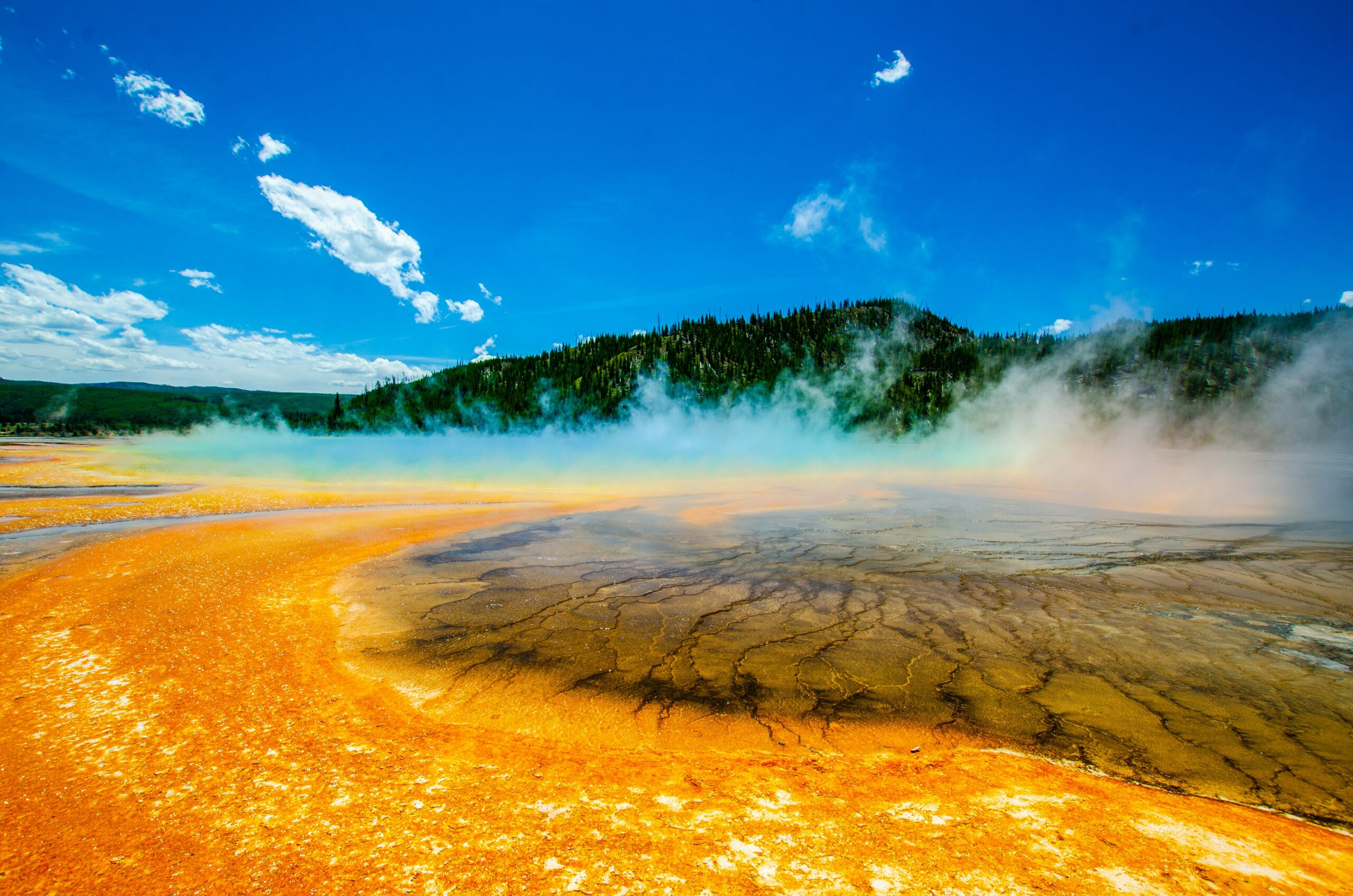
- Yellowstone National Park
- Grand Canyon National Park
- Pacific Coast Highway, California
- The Blue Ridge Parkway
- And the Canadian Rockies
The Best RV Road Trip Route for Your Rig
Another important consideration is the type of RV you have. For example, larger rigs may be limited due to the size of the road, the availability (or lack thereof) of RV-friendly campsites, and the overall infrastructure. For larger rigs, you may want to choose routes through:- Route 66, due to its RV-friendly roads
- The Florida Keys, which have numerous RV parks for larger RVs (though it’s important to book in advance due to the high demand)
- Canadian Rockies, which offer well-equipped and spacious campgrounds and roads for larger RVs
- The Blue Ridge Parkway, as the campgrounds and access roads are typically suitable for larger RVS. Do, however, note that the parkway itself has some restrictions.
- The Trans-Canadian Highway offers good road conditions and a range of RV parks to accommodate larger rigs.
- Yellowstone National Park, as the park’s roads have size restrictions, and there tends to be a lot of traffic. So, you may need to park your RV at one of the campgrounds that can accommodate larger RVs and find another way to experience the park. For instance, you may consider a toad (towed vehicle) with your large RV to explore the park more easily.
- Grand Canyon National Park offers limited parking spots for larger rigs, and the roads can be challenging for larger vehicles.
- Pacific Coast Highway does offer RV-friendly spots, but some of the stretches of road can be challenging to maneuver for large vehicles.
- Zion National Park’s roads and campgrounds are less accessible to bigger rigs.
- Rocky Mountain National Park has curvy mountainous roads that can be challenging.