Some roads are just roads. And then there’s the Trans-Canada Highway.
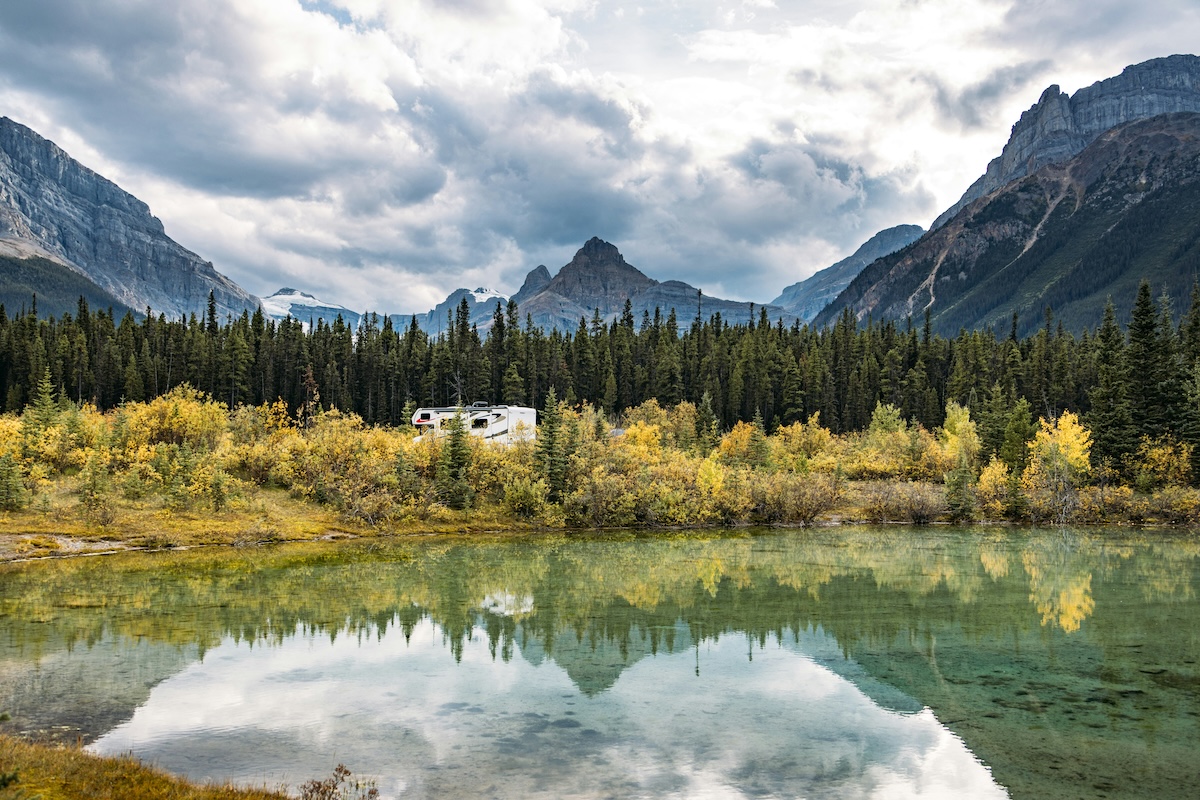
Stretching nearly 5,000 miles from coast to coast, it connects all ten of Canada’s provinces and passes through some of the most jaw-dropping scenery on the planet. We’re talking glacial lakes, ancient rainforests, the rugged Canadian Rockies, and iconic ocean views. If you’ve ever had even a passing thought about RVing in Canada, you’ve probably thought about the Trans-Canada Highway.
But is it actually worth it? Especially for experienced RVers who value their time, their budget, and a campsite that doesn’t require sleeping in a parking lot?
Let’s explore!

First Things First: What Exactly Is the Trans-Canada Highway?
The Trans-Canada Highway (officially Highway 1) is North America’s longest national highway system. It runs approximately 7,800 kilometers (about 4,860 miles) from Victoria, British Columbia, on the Pacific Coast all the way to St. John’s, Newfoundland, on the Atlantic. You’ll recognize it by its distinctive green signs emblazoned with a white maple leaf.
The highway passes through 10 provinces and traverses six dramatically different geographic regions: the Pacific Coast and rainforests of British Columbia, the soaring peaks of the Alberta Rockies, the vast Interior Plains, the rugged Canadian Shield of Ontario, the rolling farmland of Quebec, and the Atlantic coastal landscapes of the Maritime provinces.
In other words, it’s not one kind of trip. It’s many trips, strung together along one seriously iconic road.
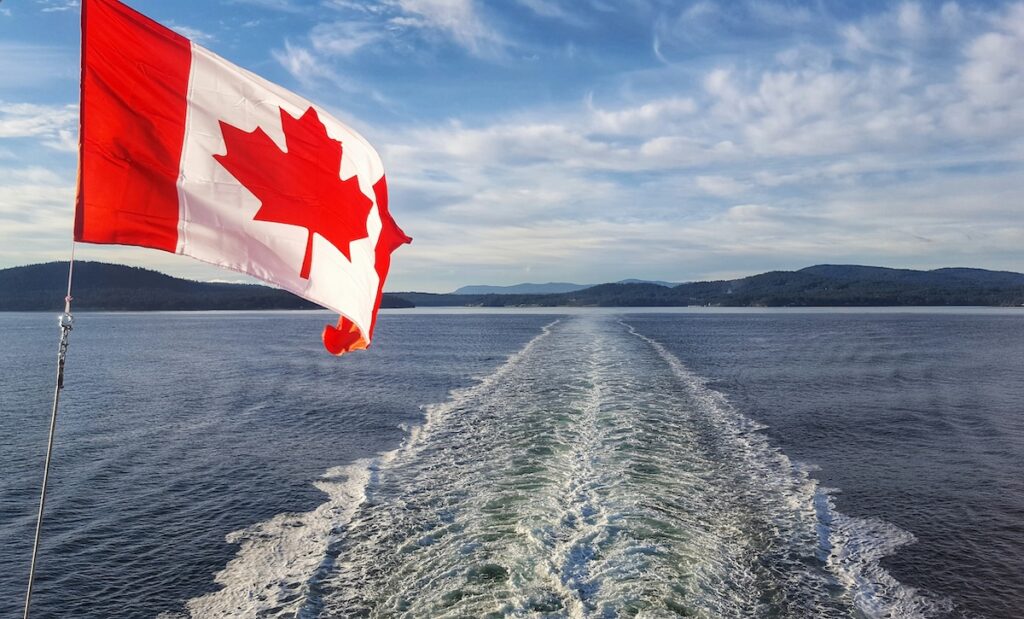
Photo by Pavol Svantner on Unsplash
Do You Have to Drive the Whole Thing?
Nope. And honestly, most RVers wouldn’t want to. The full route takes at least 100 hours of pure driving time. That’s not counting ferries, fuel stops, or actually stopping to enjoy the view. That’s a lot of time in the saddle, watching the world through the windshield—too much even for those of us who find the journey just as rewarding as the destination.
The smarter play—and the one that makes for the most memorable trip—is to choose a section (or two) that speaks to you and narrow your focus.
For RVers in the U.S. who want to experience the very best of what the Trans-Canada has to offer, the western half is where much of the magic happens.

Photo by Josefina Di Battista on Unsplash
The Most Scenic (and RV-Friendly) Stretches
British Columbia: The One That Fills Up Your Soul
If you only do one section of the Trans-Canada in your lifetime, make it British Columbia.
The highway enters BC at the Alberta border near Golden, and from there, it’s a journey through some of the most breathtaking terrain imaginable. You’ll wind through Yoho National Park, cross the legendary Rogers Pass at 4,534 feet in Glacier National Park—one of the great mountain crossings in North America—and then descend through lush forested mountains into the Fraser Canyon.
Keep an eye out for the Fraser River as it carves through the dramatic Hells Gate, a 110-foot-wide rocky gap that stopped gold rush prospectors in their tracks back in 1857. (There’s an aerial tramway if you want a closer look. It’s honestly worth the detour.)
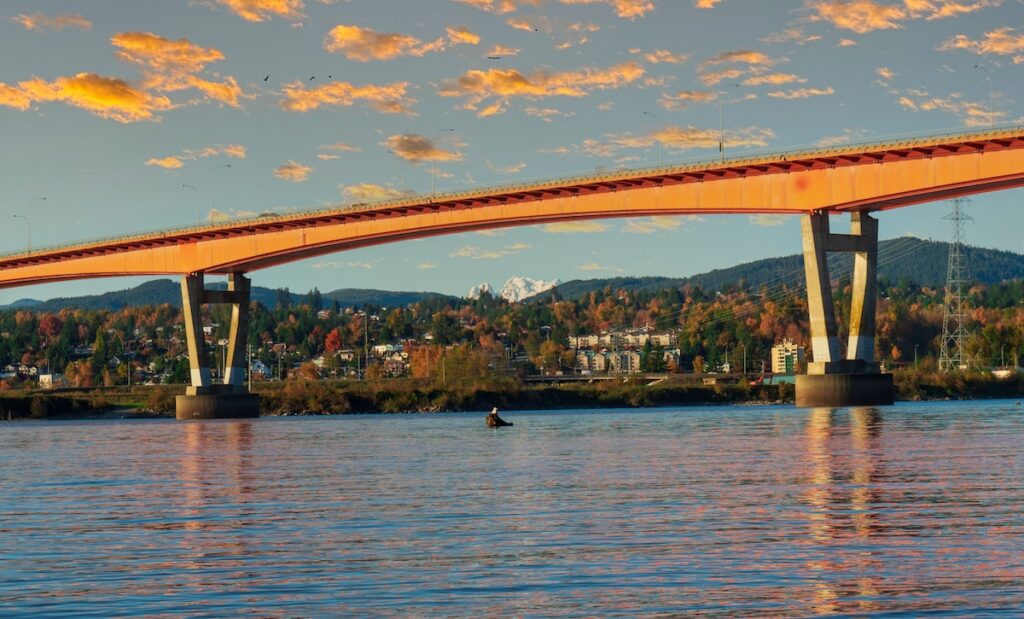
Photo by Cheyenne North
Continuing west, the highway passes through the warm farmlands around Chilliwack and into the Vancouver metro before reaching Horseshoe Bay, where a ferry takes you across the Georgia Strait to Nanaimo on Vancouver Island. From there, it’s a scenic two-hour drive south to Victoria, the official western Mile 0 of the Trans-Canada.
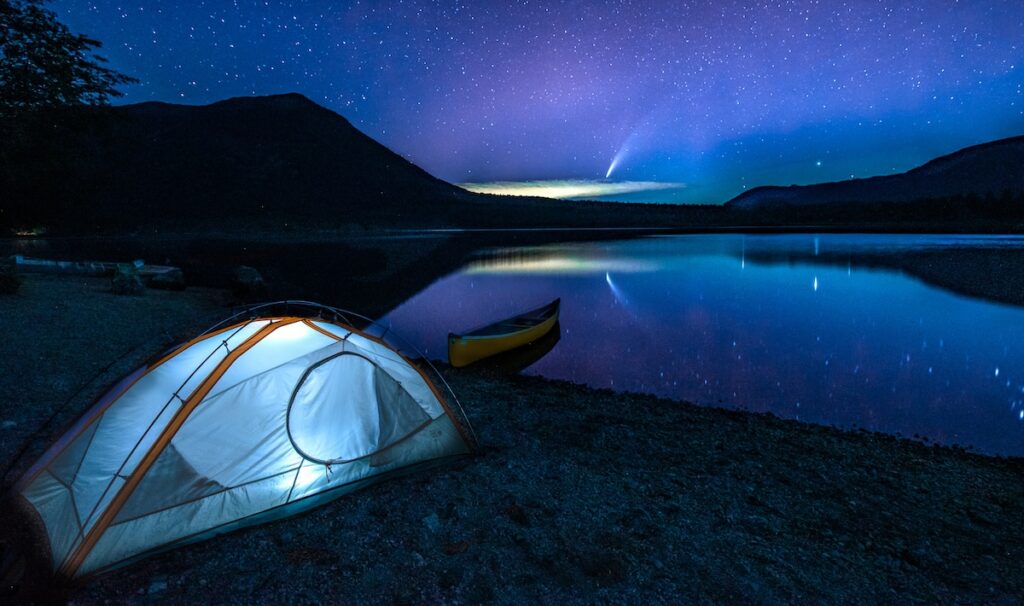
Photo by Quentin Groome
And Victoria? OMG. It’s everything. The views of the ocean toward Vancouver Island, the lush gardens, the charming walkability of the city, and my personal favorite, being engulfed in the scent of flowers every morning when you throw open your door. It’s the kind of place you’ll want to stay for weeks and dream of returning to again and again.
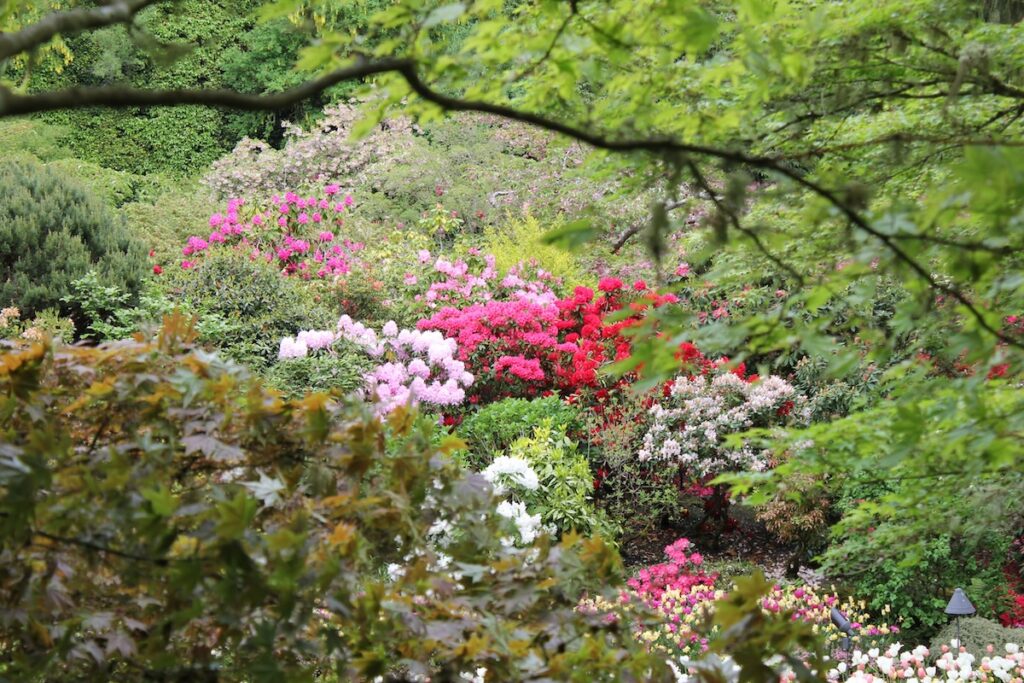
Photo by Alex Ohan
RV note: BC’s southern interior and Vancouver Island are generally RV-friendly, with good provincial campgrounds and private parks along the route. The ferry crossing from Horseshoe Bay to Nanaimo accommodates RVs. Just remember to book your BC Ferries reservation in advance, especially if you plan to visit during the summer months.
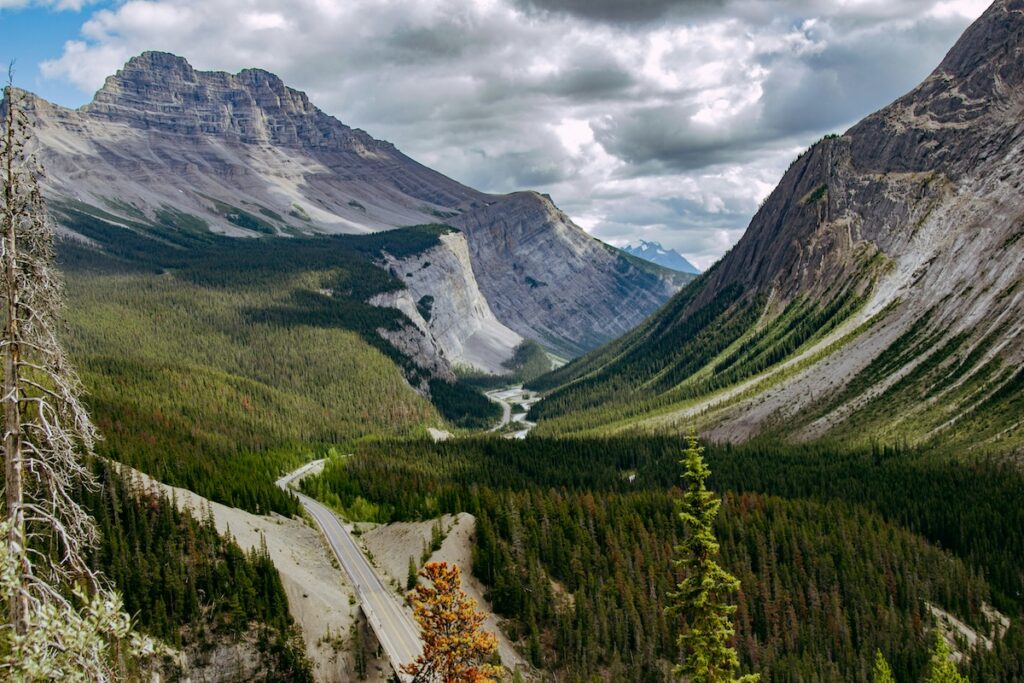
Alberta: Banff and the Rockies (Yes, It’s Everything You’ve Imagined)
If British Columbia burrows into your soul, Banff illuminates your dreams.
The Trans-Canada passes directly through Banff National Park, a UNESCO World Heritage Site as of 1984 and one of the most visually stunning places on Earth. Feast your eyes on turquoise glacial lakes, snow-capped peaks, wildflower meadows, and wildlife around every corner. You may even spot moose, elk, grizzly bears, mountain goats, and more. It’s the kind of scenery that makes you pull over time and again to reach for your camera or just stop and gape.
From Banff, many RVers take a side trip north on the Icefields Parkway to Jasper—widely considered one of the most spectacular drives in the world. If you have the flexibility to add that detour, do not skip it. The 144-mile scenic route takes around 4 hours, but you’ll want to double that to fully enjoy the views!
RV note: Banff gets busy. Very busy. Campground reservations at parks like Tunnel Mountain Village and Lake Louise open in mid-January, and popular spots fill up fast. If you’re planning a late-summer trip, start looking now. Tunnel Mountain Village II has electrical hookups for RVs, and some sites can accommodate larger rigs up to 40 feet. And once you’re there, it’s easy to get around town. Banff has a great transit system—the Roam Bus. So, you don’t need to move your rig every time you want to explore.
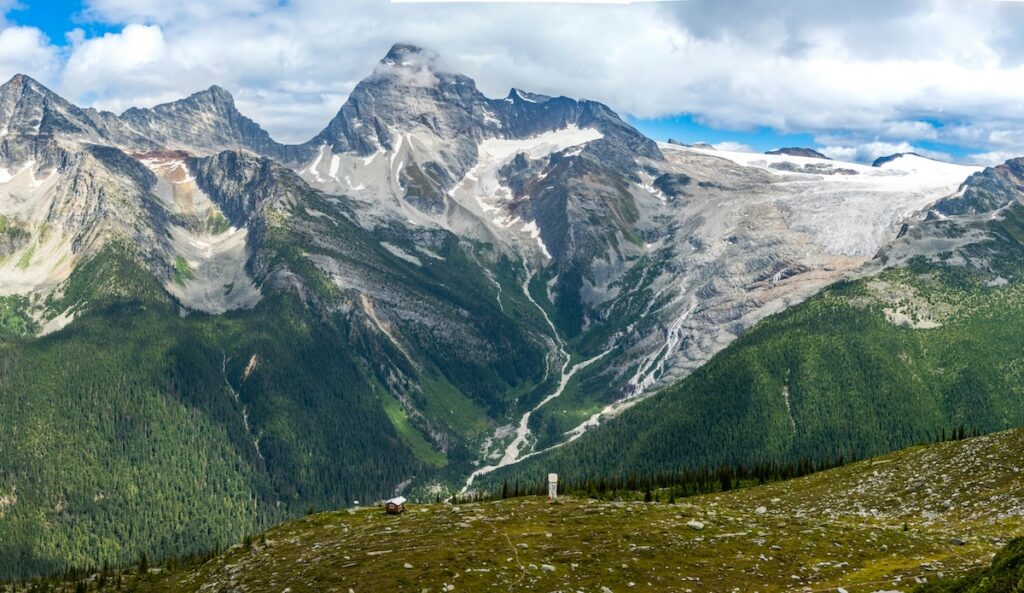
Photo by Jonathan Woods on Unsplash
Golden to Revelstoke: The Underrated Middle Section
Another stretch worth including is between Golden and Revelstoke, BC, which takes you through Glacier National Park and Mount Revelstoke National Park. This section offers some of the most dramatic mountain scenery on the entire highway. Absolutely stunning. Don’t skip the town of Golden, where you’ll find the Golden Skybridge, Canada’s highest suspension bridge, to take in honestly heart-pounding views.
Plus, this section tends to be less crowded than Banff. And it’s just as beautiful in its own rugged, wild way. 🧡
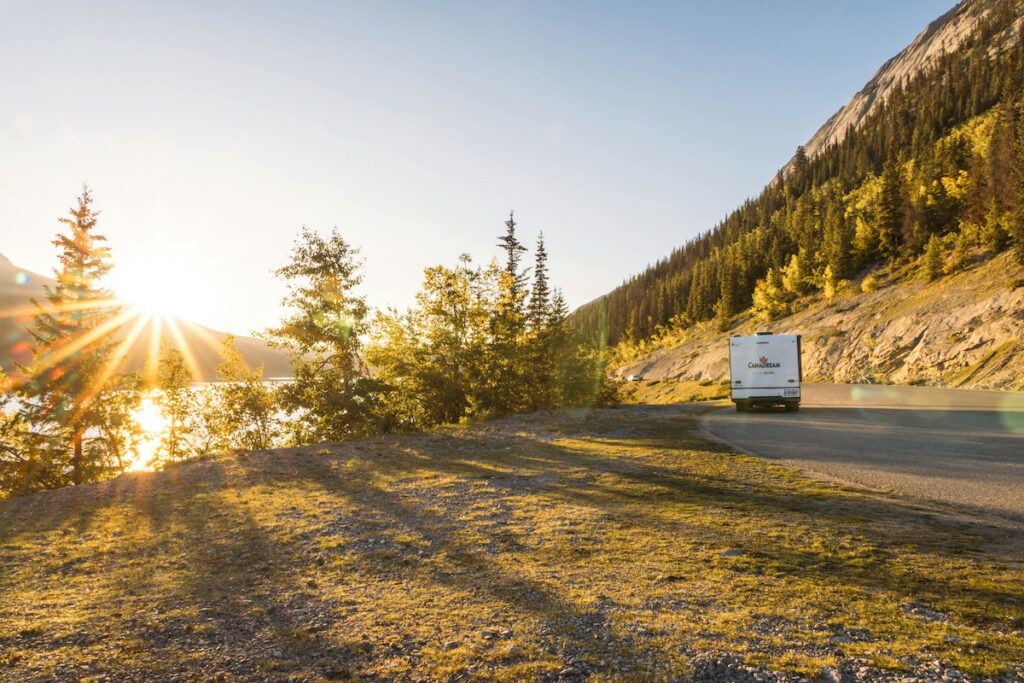
Photo by Rafael Peier on Unsplash
Planning Realities: What You Need to Know Before You Go
Timing
Late June through early September is prime season on the Trans-Canada. The weather is reliable, the mountain passes are clear, and everything is open. For a late-summer trip, you’re not too late to start planning now, but move quickly on campground reservations, especially in the national parks.
If you prefer a bit of a slower pace and fewer crowds, the time to go is in late August into early September. The days are still long and warm, but the summer rush has thinned. In addition, you might even catch the first hints of fall color, especially in the higher elevations.
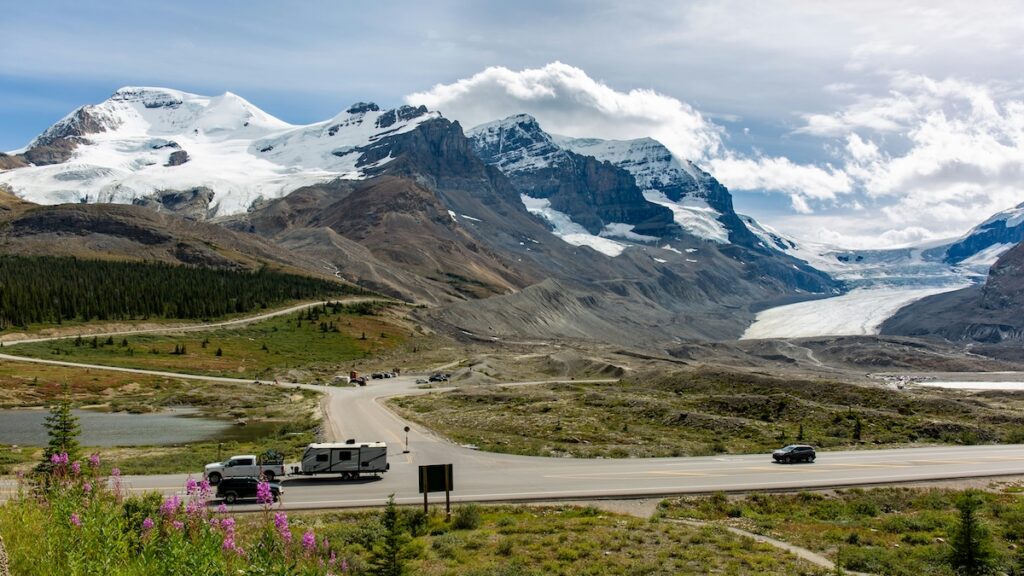
Photo by Saad Khan on Unsplash
Campgrounds and Where to Stay
Canada’s national and provincial park campgrounds are excellent. They tend to be clean and well-maintained. Plus, they’re typically found in stunning locations. For the Banff area, book through Parks Canada’s reservation system as early as possible. For BC parks, use the BC Parks reservation site.
Private campgrounds are also plentiful along most of the route, with full hookups available in most towns.
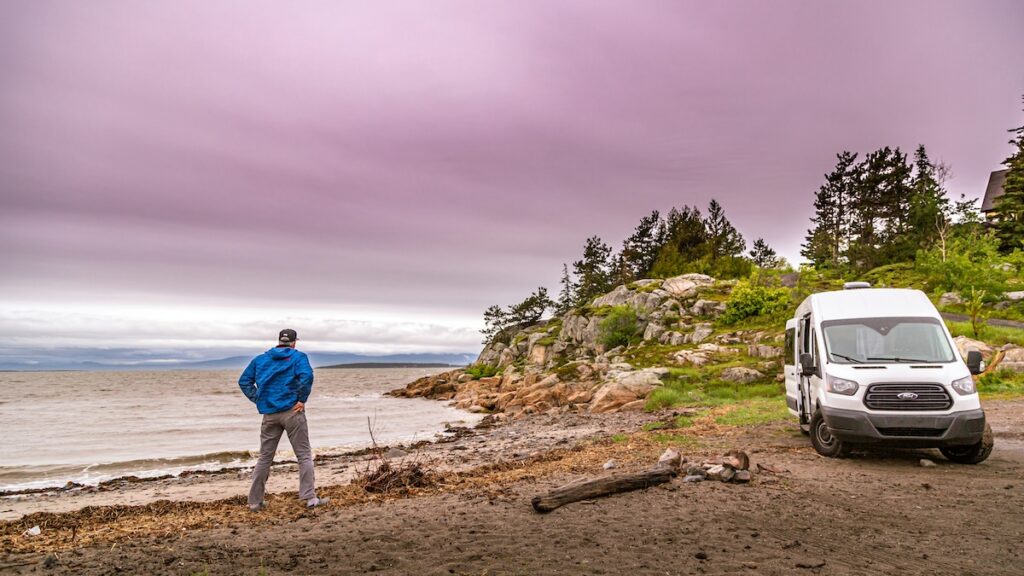
Photo by Alex Guillaume on Unsplash
Budget
Canada is not a cheap destination right now, and fuel costs add up quickly on a long drive. So you’ll want to build some cushion into your budget, especially for fuel, park fees, and ferry crossings in BC. That said, the Canadian national park experience is extraordinary. And the scenery you’re getting for your campsite fee is pretty hard to beat, no matter where you roll.
Crossing the Border
For most RVers, the U.S.-Canada border crossing is pretty straightforward. Just remember to bring your passport (or passport card) for everyone on board. Be honest and clear with customs officers, and they’ll quickly send you on your way. Do, however, be prepared to answer some questions about food items you’re bringing across (some fresh produce and certain meats aren’t allowed). In other words, you’ll want to know what’s in your rig before you try to cross.
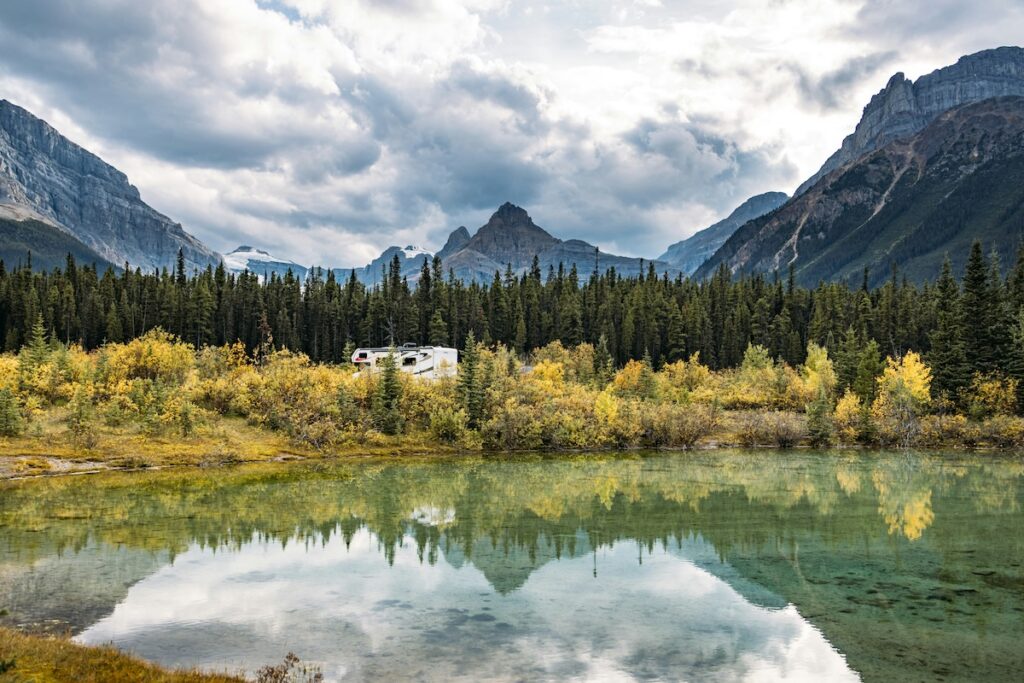
Photo by Rafael Peier on Unsplash
Before You Cross the Border: Make the Most of Your U.S. Miles
If you’re driving north from the U.S., don’t overlook the adventures on your way there. For example, if you have the Adventure Pass, it can help you save on camping and activities on the American leg of your journey. This can be especially useful if you’re routing through the Pacific Northwest toward the BC border or through Montana toward Alberta.
Is the Trans-Canada Highway Worth It?
Here’s our honest answer: Emphatically, yes!
The Trans-Canada isn’t a road you drive for efficiency. It’s a road you drive for the journey as much as the destination. For memories and photos you’ll enjoy for years to come. The way the light hit the mountains at dusk. The morning a moose wandered past your rig. The feeling of standing at Mile 0 in Victoria with the ocean stretching out before you.
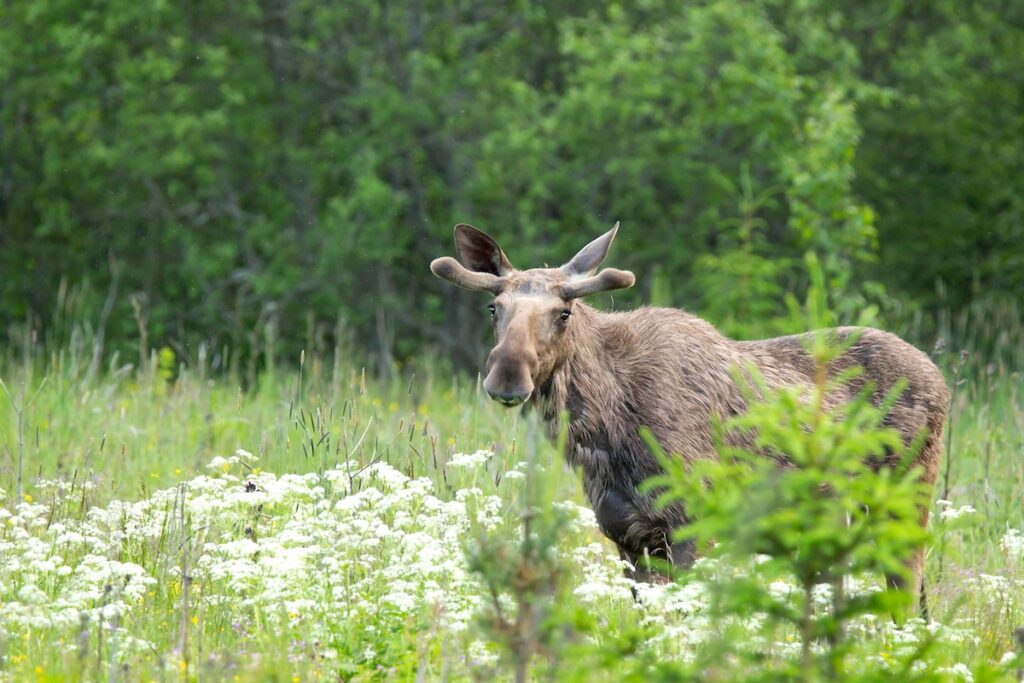
Photo by Maria Argiroudaki
You don’t need to take the entire journey all at once or to push to get in a set number of miles every day. The Trans-Canada rewards the RVers who slow down, plan thoughtfully, and let the road unwind extraordinarily.
Of course, the best trips are the ones you actually take. So, start planning. The mountains—and the adventure—are waiting.
Have you RVed the Trans-Canada Highway? Is it on your bucket list? We’d love to hear about it! Share your stories and tips here.