Psst… here’s something you probably won’t hear when you’re still in the driveway enthusiasm phase of RV ownership (ain’t she pretty…?!): The difference between a frustrating trip and a great one usually isn’t the rig. It’s the little things. The skipped checklist. The missed booking window (by only a few hours!). The meal plan that was too big of a hassle to bother with. The campground neighbor you only nodded to as you walked by.
After chatting with dozens of seasoned RVers—including folks who have decades of dirt behind the wheel well, figuratively speaking, of course—and combing through real-world camper comments, we’ve pulled together a collection of small, often overlooked habits and hacks that consistently make the RV experience better. Some may make you think, “Yeah, of course.” Others, “I wish I had known that sooner.” And others may come as a complete surprise. (You let us know.)
None of these tips cost a fortune. Many are free. Most are just a matter of mindset, timing, and slight shifts in your trip approach.
To make it easier to navigate, we’ve organized them in the same way an RV trip typically unfolds. That starts with before you leave home, moving onto the road, until you make yourself at home at the campsite.
So, let’s get rolling!
Before You Even Leave the Driveway
Start with a date on the calendar.
At the very beginning of the year—or today if you haven’t started yet—get your trip(s) on the calendar. It sounds almost too simple to be useful. But the most seasoned RVers (and travelers in general) often say it’s the single biggest factor on whether (or at least how often) you hit the road.
One camper put it plainly, “Plan all your trips at the beginning of the year, so it’s done. The RV that’s sitting parked has somewhere to go. Without a date set, life will naturally fill in your calendar all on its own. With one trip scheduled—even if it’s a rough one or only loosely planned—you’re already halfway there.”
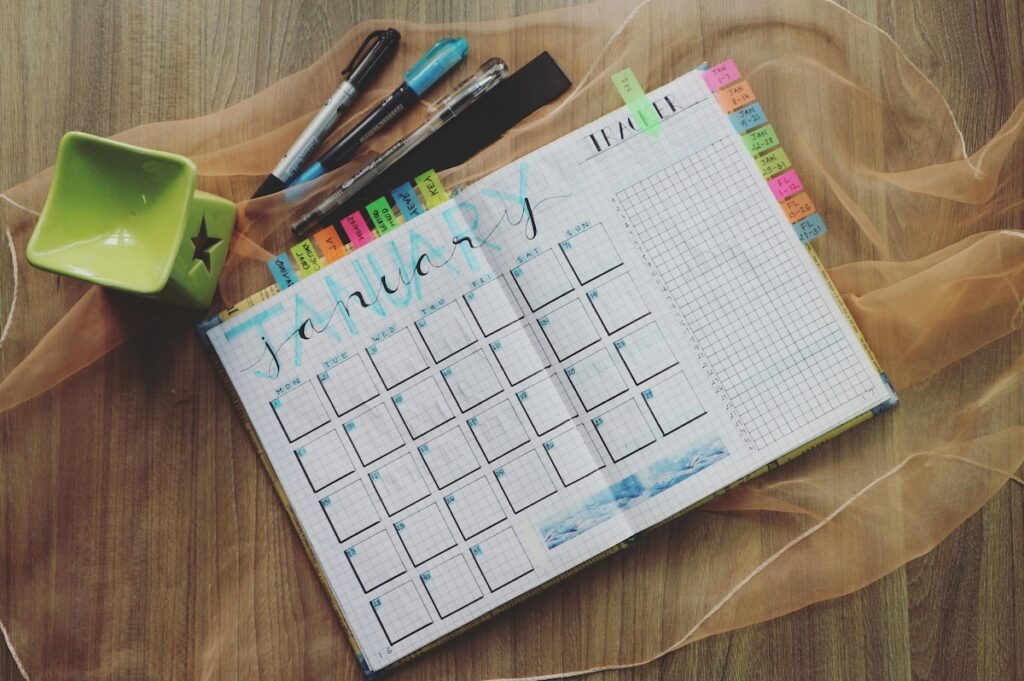
Photo by Bich Tran
Book campgrounds like you’d book a flight.
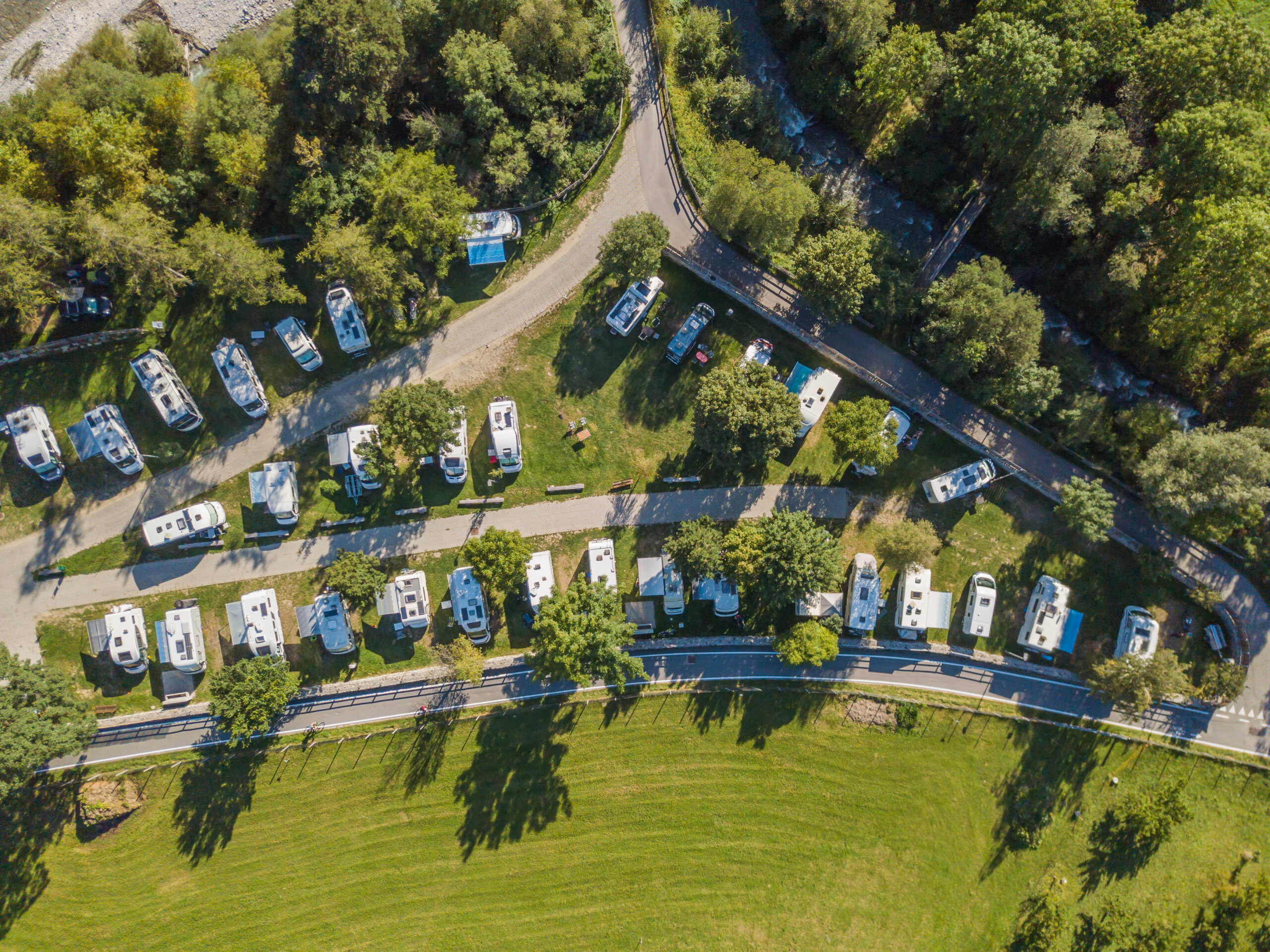
The campsite crunch is real. And it’s getting worse. According to the Dyrt’s 2025 Camping Report, more than 56% of campers had difficulty booking a site in 2025. Why? Campgrounds were full—near the all-time peak. Not cool!
At the most popular national parks, top sites can sell out in under a minute as soon as the booking window opens (that’s six months out for many Recreation.gov campgrounds). It’s more like snagging coveted concert tickets than reserving a campsite. There’s just more competition today than in the past.
Experienced campers know how important it is to log in early, sync their clocks to the site, and have their credit cards ready, so they can click buy the moment the site’s available.
Have a pre-departure checklist—and run through it every single time.
One RVer—who’s been camping since 1966—told us he still uses a checklist before every departure. It reminded me of my dad’s pre-flight checklist—he was a private pilot who wouldn’t pull his plane out of the hangar without his list ready to run through, even after more than a decade of flying.
It’s not about being a beginner. It’s about knowing that sometimes you’re tired. You have camp brain. Or in your mind, you’re already pulling into the campsite (or driveway) before you’ve even grabbed your keys.
Forgetting to retract a step, leaving a roof vent open, or skipping a tire pressure check before a long pull can lead to an expensive—even dangerous—problem down the road.
Your checklist doesn’t need to be fancy. It just needs to exist. And more importantly, get used.
Photo by Towfiqu Barbhuiya
Keep your RV stocked and ready to roll between trips.
You want to hit the road more often, but it takes so much work to get everything loaded and ready. It’s easy to start sequencing. You know… before we can head out for the weekend, we have to wash all the bedding, load up the dishes, stock the pantry, get all of the gear out of the bins in the garage…
Feeling overwhelmed and demotivated already?
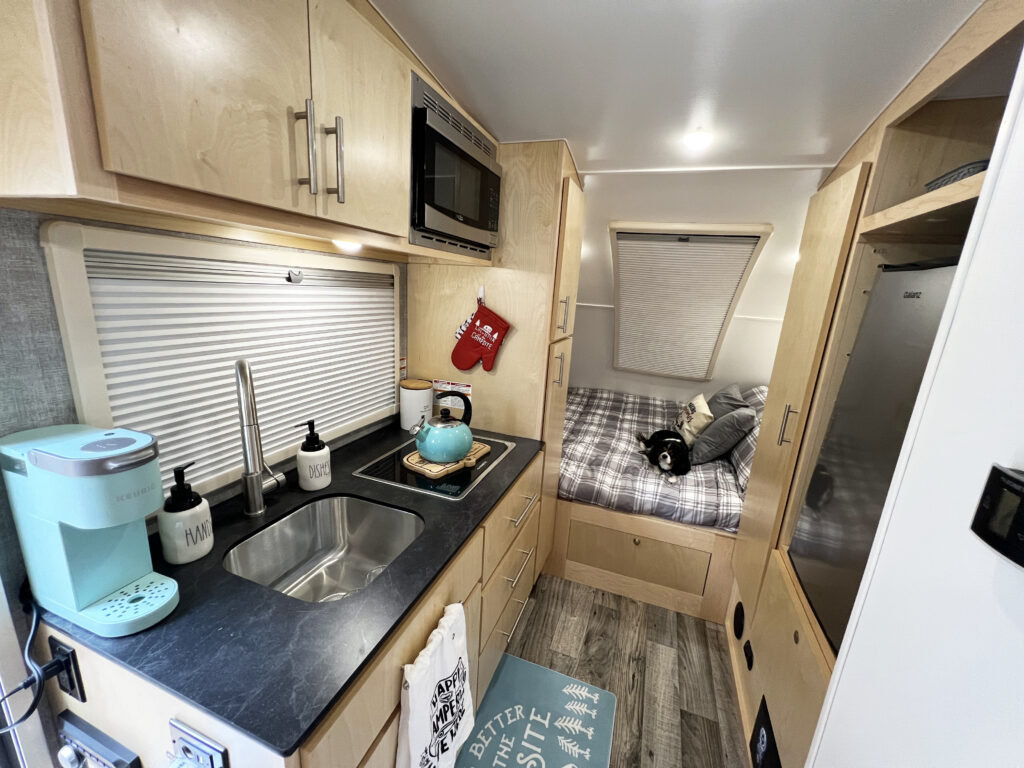
That’s why experienced campers keep a dedicated set of dishes, bedding, pantry basics, and supplies in the RV permanently. It may cost a little more upfront, yes, but it also removes a significant amount of friction when it comes to doing what you love—actually heading out into nature.
As one RVer put it, “If it’s stocked and ready to go, you’re far more likely to actually leave.” Remove the friction, and get out there!

Plan your meals—at least loosely.
This one may feel a bit more obvious. Maybe that’s why it’s so often skipped. But if you load the pantry with random ingredients with no real plan, you’re more likely to eat out and wonder where your campground budget went.
Even a rough meal sketch is enough—Tuesday: tacos, Wednesday: pasta, Thursday: grill night. It keeps the costs down and makes the kitchen feel like a home away from home rather than a staging area where you try to figure out what you actually packed (and why?).
Set a campsite alert for sold-out campgrounds.
If you’ve missed the booking window on a campground you really want (it happens to all of us!), don’t give up. There are tools like The Dyrt Alerts and Campscanner that monitor sold-out campgrounds. You can even set them up to send you a text when a cancellation opens up.
Short-notice cancellations actually increased by 22% in 2025. So, if you have more flexibility, you can use those alerts to quietly snag more spots. Even at the most popular spots.
If, however, you’d rather sidestep the booking scramble more easily, check out campground memberships like the Adventure Pass™, which gives you free stays at premium resorts across the country. This can be a smart hedge to camp more often, even when other nearby parks are booked solid.
On the Road Again…
Install a tire pressure monitoring system.
Did you know that blown tires are one of the leading causes of RV accidents? (They’re also pretty scary.) But did you also know most blowouts are preventable?
A basic tire pressure monitoring system mounts to your valve stems, and it can show the real-time pressure on a dash display and alert you if anything drops while you’re moving.
One RVer installed a system before taking a trip through Utah’s Mighty 5 and called it a game-changer for her peace of mind. Checking pressure before pulling out has now become as routine as buckling a seatbelt.

Use an RV-Specific GPS app—not Google Maps.
While online maps can be lifesavers, most people have a story (or more than a dozen) about Google Maps sending them in circles or way out of their way. Let’s just say, it’s not always perfect. Add to it that Google Maps has no idea what you’re driving, much less that your rig is 13 feet tall or 40 feet long, making it even more prone to problematic directions.
Instead of going with your standard GPS system (Google, Apple, etc.), when you’re in an RV, you want a GPS built for RVs, such as RV Life Trip Wizard or Roadtripper, which can route around low bridges, weight-restricted roads, and tight turns. You will need to pay a fee (currently $59/year for Trip Wizard and $29.99/year), but it’s well worth it.
A low-clearance bridge or campground road that deadens on a hairpin is not where you want to have to improvise. Just backing into a campsite is stressful enough, don’t you think?

Photo by 112 Uttar Pradesh
Slow down your driving days.
A common refrain from experienced RVers is that they spent too much time on the road in their early years. No, they weren’t saying they got away too often. Rather, they spent too much time driving.
One couple sadly shared they spent early trips rushing from destination to destination—trying to cram in as many sights as possible. After all, they had only so much time and wanted to take in as much as possible. European Vacation comes to mind—“Honey, they close in 15 minutes. There are 100,000 works of art to see. Let’s go!”
By deliberately slowing down, they discovered things they never would have planned, such as paddling on a glacial lake in Colorado. One of their favorite memories.
Fewer miles per day leads to less stress, greater fuel economy, and getting far more of what you actually came for—nature, relaxation, and connection.
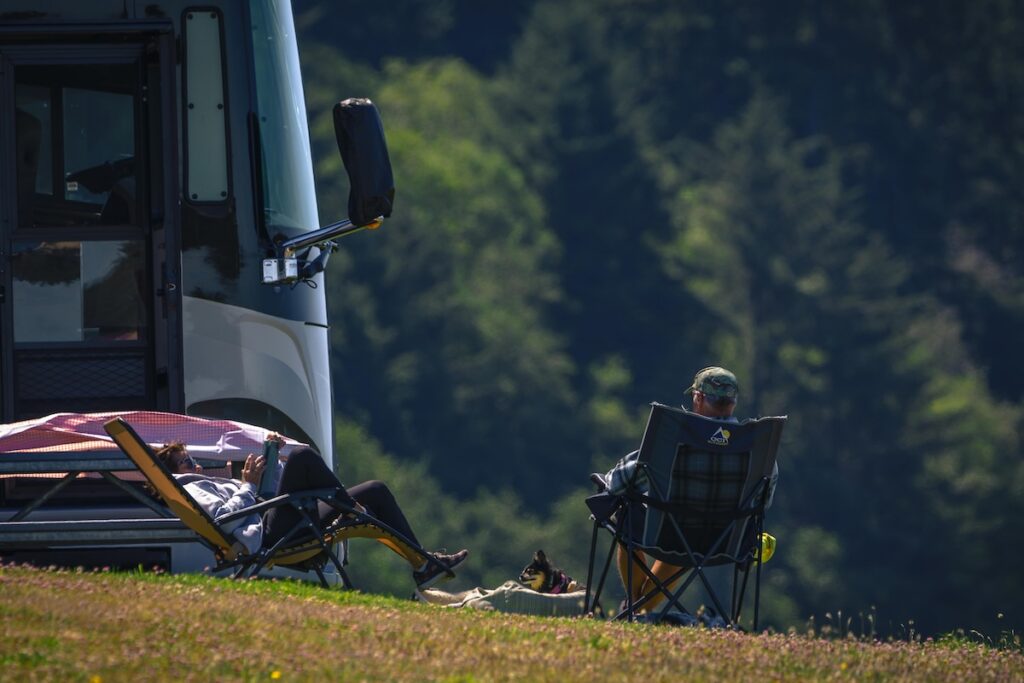
Photo by Stephen Pierce
Watch your fuel range, especially in unfamiliar territory.
This one may sound obvious. Until it isn’t. On a recent trip, my husband and I were happily driving down the road when we realized we had switched to reserve fuel. Ack! Instead of enjoying the view, we were now frantically looking for the closest gas station. We made it. Phew! But it was a stressful stretch until we fueled up.
Remember, towing drops your miles per gallon significantly. Sometimes to under 10 mpg. And especially if you’re traveling in remote areas, stretches between gas stations can get longer than you’re used to.
More than a few RVers have had similar experiences—anxiously watching the fuel gauge in the middle of nowhere. The best advice: know your range and fill up earlier than you think you need to.
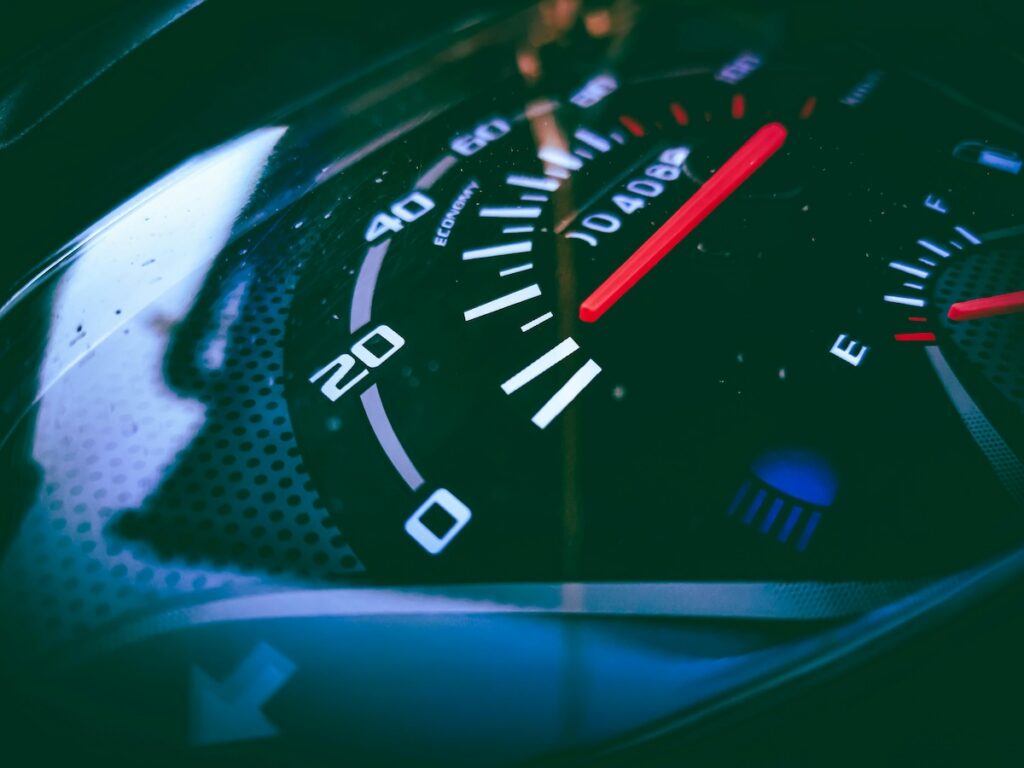
Photo by Jayashankar Majhi
Download an audio tour app before arriving at national parks.
This tip flies completely under the radar, and it’s a good one. Apps like GuideAlong (formerly Gypsy Guide) offer narrated audio tours you can play as you drive. They are triggered automatically by your GPS location in national parks and scenic routes and are a fabulous way to learn more about the area.
One RVer described downloading the Yellowstone and Grand Teton bundle after a conversation with a nearby camper as a game-changer. He said it’s like having a local guide in your dashboard.
You’ll even get suggestions for getting off the beaten path. For $20, it’s often described as one of the most underrated trip upgrades around.
At the Campground
Arrive before dark.
Anyone who has set up camp by flashlight or headlamp when they’re tired knows that’s where mistakes happen. You’re more likely to have a wrong orientation, missed leveling, and forgotten connections. Late arrivals are often listed as some of the worst, most stressful RVing experiences.
Do yourself a favor and build in a buffer, so you can pull into your campsite with at least one hour of daylight remaining when at all possible.
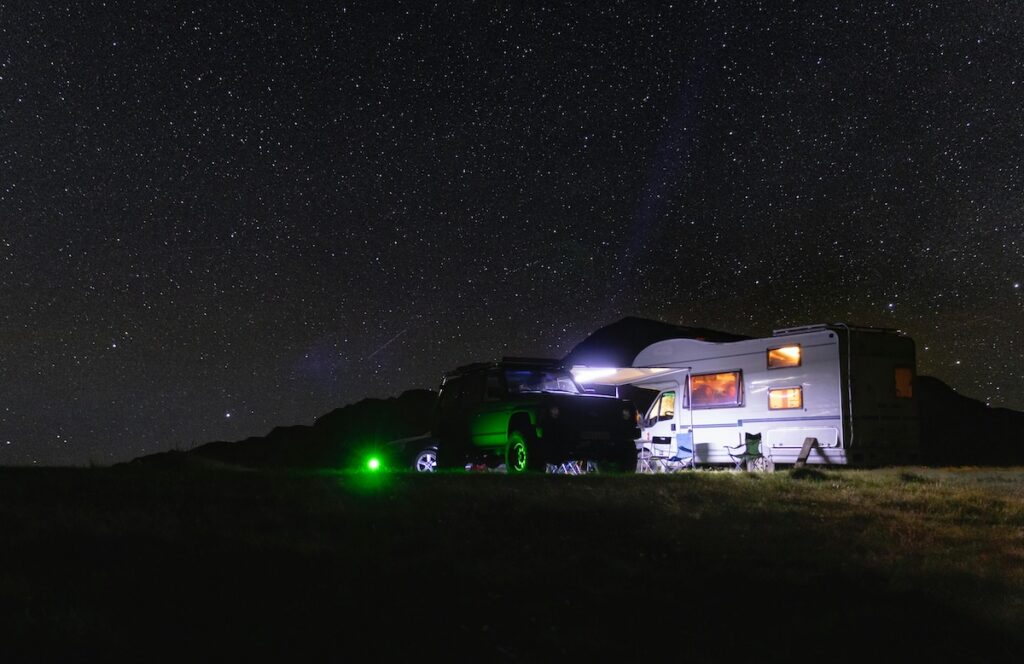
Photo by F1lter 88
Assign storage spaces and stick to them.
Your RV’s storage compartments can be surprisingly creative and useful. But only if you have a plan. Buy a few containers in different sizes and shapes (soft-sided often works better), figure out what fits where, and assign—and even label—spots for everything. If you travel with a partner or crew, make sure everyone in the rig is on board and committed to the plan.
The payoff is huge. You’ll stop wasting the first 20 minutes to an hour of every trip hunting for, say, the can opener, a spare battery, or your campground reservation.
Go mid-week or shoulder season whenever possible.
It’s not always easy if you have a full-time gig or kids who need to be in school. But if you have the flexibility, make use of it. Popular campgrounds often have midweek or Sunday-through-Thursday availability long after the weekends are entirely booked. And the experience? It’s night and day different. You’ll find quieter neighbors. More attentive staff. And better odds at scoring your preferred site.
Shoulder season—that is, late spring and early fall at most locations—offers similar benefits. You’ll enjoy the same landscapes without the July or August crowds and often with better weather. In her mid-80s, my grandmother-in-law, who lived in a very popular tourist destination, loved the season of (in her words) “newlyweds and nearly-deads” much better than the busy summers. She enjoyed meeting people but liked the more peaceful, friendly vibe.

Invest in small outdoor comfort upgrades.
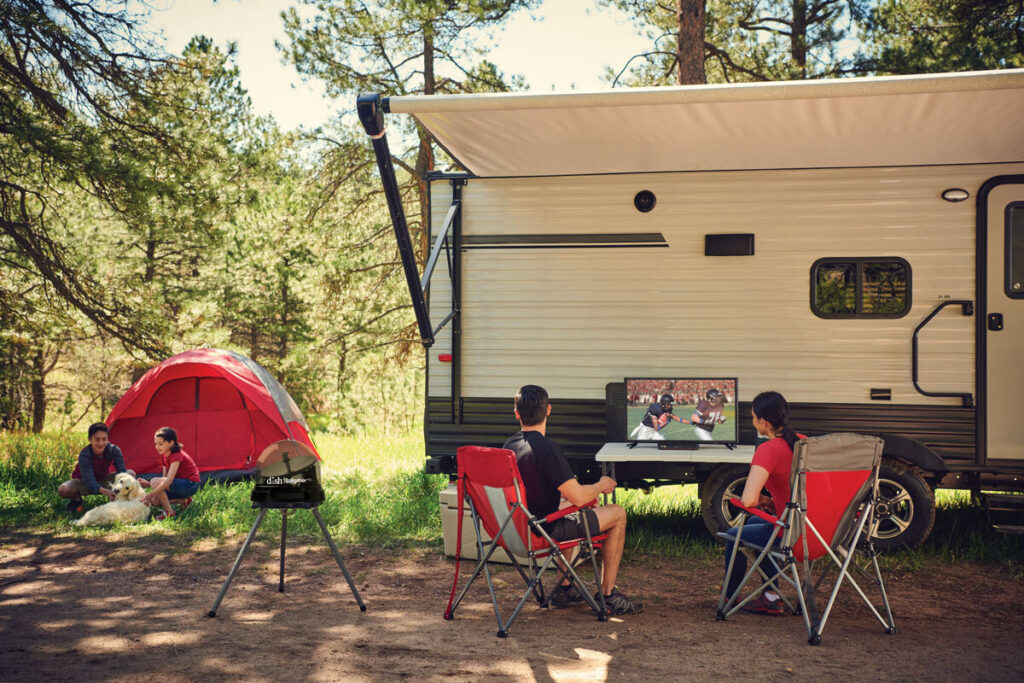
The space outside your RV is one of the most overlooked and underrated areas. A good outdoor mat, a folding table, string lights under the awning, a portable outdoor fence for the dog(s) all work together to transform your campsite from a parking space to an oasis.
One RVer who finally added an outdoor pet fence said she only wished she had done so sooner. She could now fully relax in her outdoor space with her dogs roaming free. No more tangled leashes. And so much more peace.
Explore BLM and National Forest land, not just campgrounds.
If you’re not afraid to boondock from time to time, the Bureau of Land Management land is free, requires no reservations, and is often set against scenery that rivals the most popular national parks. Without the entrance fee, crowds, or booking battles.
With Apps like The Dyrt that show layers specifically for BLM sites, many RVers have discovered some of their best nights on a pullout far away from the beaten path with panoramic views and no neighbors. If you’re willing to go off-grid, it’s worth learning about these types of tools.
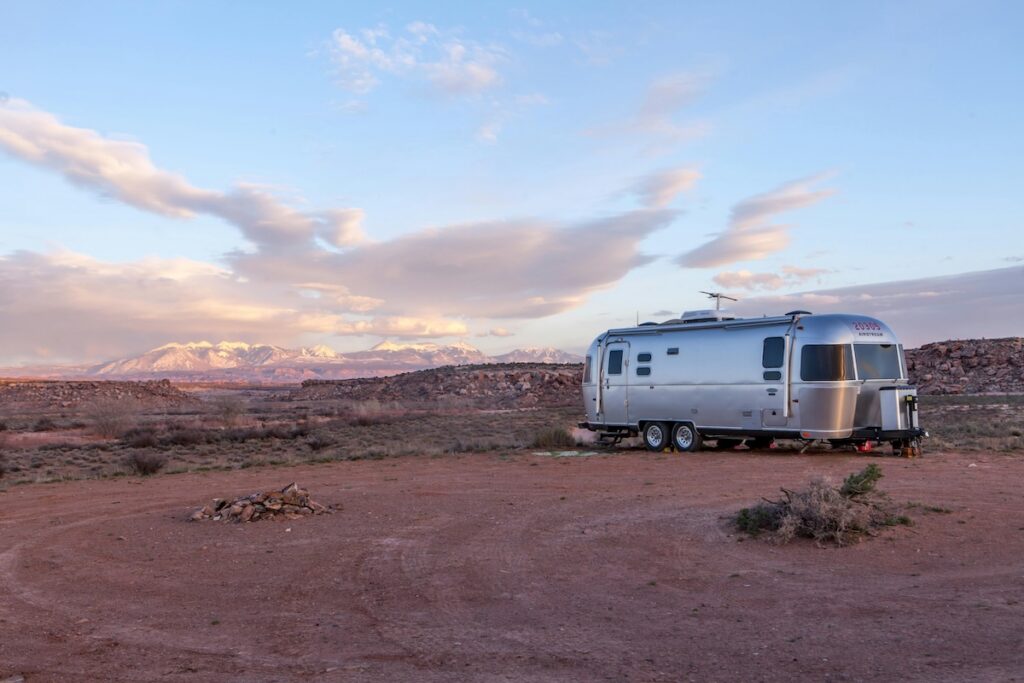
Photo by Binyamin Mellish
Make friends.
This tip is almost embarrassingly simple, and it’s one that long-timers mention again and again. Get to know your campground neighbors. They can often fill you in on the magical details, like which trails have the best view at sunset. Which dump station is least busy or most reliable. Or a recommendation on the best restaurant in the area—”You just passed it 12 miles back.” They can let you know the stuff that doesn’t show up on your app or changes from the last time you visited the area.
One road warrior said that building her RVing network lessened her learning curve more than any website, YouTube channel, or forum thread.
Introduce yourself. The RVing community is remarkably friendly and generous with what they know. Don’t we know it!

Photo by Kampus Production
The Bigger Picture
The RVers who enjoy their trips the most and get out most often aren’t the ones with the biggest, fanciest rigs. They’re not the ones with the most sophisticated or advanced gear. They’re the ones who have made peace with logistics, so logistics don’t throw the whole trip.
They’ve got a well-honed booking strategy, so they aren’t left scrambling or praying for a last-minute cancellation (and have a backup plan if needed). They’ve got a checklist that gives them peace of mind on and off the road. They’ve got an outdoor setup that’s dialed in, so camp feels like home.
RVing is, at its core, a learning-by-doing lifestyle. Every trip teaches you something new. The goal isn’t about perfection—it’s about smoothing out friction, one small upgrade at a time.