Advantages of a Travel Trailer Under 5,000 lbs
Travel trailers under 5,000 lbs offer unparalleled flexibility, making them a top choice for many campers. Unlike heavier models, these lightweight trailers can be towed comfortably by smaller, more fuel-efficient vehicles, such as mid-size SUVs and crossovers, which means you won’t need to invest in a gas-guzzling full-size pickup. This not only saves you from the cost of upgrading your vehicle but also reduces your fuel expenses, making your travels more economical. Moreover, their smaller size makes these trailers ideal for navigating tight spaces, whether it’s maneuvering through narrow roads or fitting into compact campsites that larger trailers can’t access. This opens up a broader range of camping options, especially in more remote or less developed areas. Their compact nature also translates to easier handling, reducing stress during travel—whether you’re backing into a spot or making a tight turn. In addition to their practical advantages, lightweight trailers are often more budget-friendly, both in initial cost and maintenance. Many manufacturers offer a diverse array of models under 5,000 lbs, ranging from basic, no-frills designs to more luxurious options equipped with modern amenities. You’ll find a variety of layouts and features that cater to different camping styles, whether you’re a solo adventurer, a couple, or a family looking for comfort and convenience on the road. Furthermore, lighter trailers tend to have less impact on your vehicle’s wear and tear, leading to lower maintenance costs over time. This makes them an excellent choice for both new and seasoned campers who want to enjoy the great outdoors without breaking the bank.Drawbacks of Campers Under 5,000 lbs
While lightweight campers offer many benefits, they come with some limitations. These models typically have fewer amenities, such as additional bathrooms, outdoor kitchens, or extra sleeping space for larger groups. Storage space and tank capacities (fresh, gray, and black water) are also more limited, which can reduce your time at a campsite before needing to refill or dump tanks. Additionally, options for fifth-wheel campers under 5,000 lbs are scarce, further narrowing your choices if that’s the style you prefer.Knowing Your Weight
Understanding weight definitions and weight-related ratings is a great place to start. You’ll find campers under 5,000 lbs with differing dry weights, GVWR, carrying capacity, etc. Let’s dive into some of the most valuable ratings:- Dry weight is the weight of the camper without any load, including fuel, cargo, fluids (e.g., water or waste), or passengers. This unloaded weight results from materials, features, and amenities.
- Gross Vehicle Weight Rating (GVWR or Maximum Loaded Trailer Weight) is probably the most practical. It includes the camper’s weight when fully fueled, water tanks filled, loaded, and ready to hit the road. Because people and their gear can vary widely, the most accurate way to find the GVWR is to put your camper on a truck scale when you’re all loaded and ready for your next trip. Remember, even the same model can differ in weight, depending on the load and features.
- Tongue Weight (TW) is important for understanding how much control and how well the camper handles on the road. It basically refers to how much weight presses down on the hitch of the tow vehicle. For optimal handling, the TW should be around 10 to 15% of the GVWR.
- Cargo Carrying Capacity defines the max weight of gear, belongings, food, and bedding. As you load up, keep a chart with the weight of each item to avoid overloading your camper.
Factors to Consider When Choosing a Lightweight Camper
Towing Capacity
- Vehicle Compatibility: The first and most critical factor is ensuring that your vehicle can safely tow the camper. Each vehicle has a maximum towing capacity, which is the highest weight it can tow without causing damage or compromising safety. Always check your vehicle’s manual for this specification and compare it with the camper’s weight.
- Weight Distribution: Even if your vehicle can tow the weight, how that weight is distributed within the camper is just as important. Uneven weight distribution can lead to swaying or poor handling, making your journey unsafe. Look for campers that are designed with balanced weight distribution.
- Safety Margin: It’s advisable to tow well below your vehicle’s maximum capacity. This safety margin not only ensures a smoother and safer towing experience but also prolongs the life of your vehicle by reducing strain on the engine and brakes.
Size and Layout
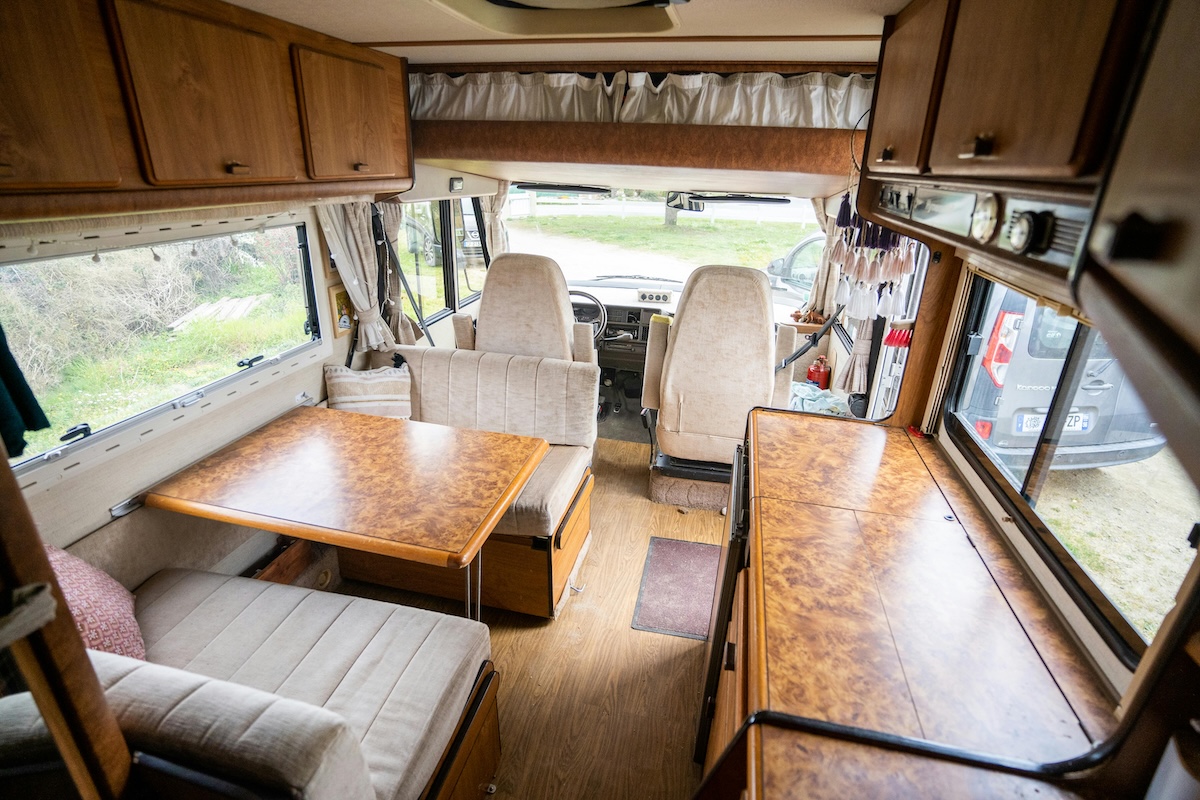
- Living Space: The interior space of the camper should accommodate your needs. Consider how many people will be traveling with you and how much living space each person will need to feel comfortable. Some campers offer convertible spaces that serve multiple functions, such as dining areas that transform into sleeping quarters.
- Sleeping Arrangements: Pay close attention to the sleeping layout. For families, bunk beds or separate sleeping areas might be necessary, while couples might prefer a queen or king-sized bed. Think about the ease of setting up these spaces and the privacy they offer.
- Storage Solutions: Storage is often limited in lightweight campers, so it’s important to evaluate how well the camper’s design maximizes space. Look for clever storage solutions like under-bed storage, overhead cabinets, and exterior compartments for gear and equipment.
Amenities and Features
- Essential Amenities: Consider what amenities are essential for your comfort and convenience. For some, a fully equipped kitchen with a stove, fridge, and microwave is a must. Others might prioritize a bathroom with a shower or entertainment options like a TV or sound system.
- Customizability: Some campers allow for upgrades or customizations, which can enhance your camping experience. For instance, solar panels can be added for off-grid camping, or an off-road package might be desirable for those who like to venture off the beaten path.
- Comfort vs. Weight: Remember that every amenity adds weight, which can impact towing ease and fuel efficiency. Find a balance between the comforts you want and the practicality of towing a heavier load. Prioritize features that will most enhance your experience without overloading your vehicle.
Comparing Lightweight Campers: What to Look For
Durability and Build Quality
- Material Quality: The materials used in the construction of a camper are crucial to its longevity and durability. Aluminum and fiberglass are popular choices because they are lightweight yet strong, offering good protection against the elements. Look for high-quality materials that resist rust, corrosion, and wear.
- Reputation: Research the reputation of the manufacturer. Companies with a long history of producing durable, reliable campers are often a safer bet. Customer reviews and testimonials can also provide insight into the build quality and durability of the camper.
- Weather Resistance: A good lightweight camper should be able to withstand various weather conditions, from heavy rain to high winds. Look for features like reinforced seams, high-quality insulation, and robust seals around doors and windows that protect against leaks and drafts.
Fuel Efficiency
- Aerodynamics: The shape and design of the camper can significantly impact fuel efficiency. Aerodynamically designed campers reduce drag, which in turn lowers fuel consumption. Rounded edges and a streamlined profile are key features to look for.
- Weight Optimization: While durability is important, weight is also a critical factor in fuel efficiency. A well-constructed camper will balance strength and weight, using materials and designs that provide stability without adding unnecessary heft.
- Tow Vehicle Impact: The lighter the camper, the less strain it puts on your tow vehicle. This not only saves fuel but also reduces wear and tear on your vehicle’s engine, transmission, and brakes, which can extend the life of your vehicle and lower maintenance costs.
Ease of Setup and Use
- Setup Time: The time and effort required to set up your camper can impact your overall camping experience. Look for campers with features that simplify setup, such as power jacks, automated leveling systems, and quick-connect utilities. The easier and faster the setup, the more time you can spend enjoying your trip.
- User-Friendly Design: Opt for a camper with an intuitive layout and controls. This includes easy access to important systems like water, electricity, and heating. User-friendly designs reduce the learning curve, making it easier for even first-time campers to operate the camper confidently.
- Maintenance: Consider how easy the camper is to maintain. Are replacement parts readily available? Can you perform basic repairs yourself, or will you need professional help? A camper that’s easy to maintain will save you time and money in the long run, ensuring you spend more time enjoying your adventures and less time dealing with repairs.