America has a brand-new national park! On October 20, 2026, Arizona’s Chiricahua National Monument officially became Chiricahua National Park—the 64th national park in the country.
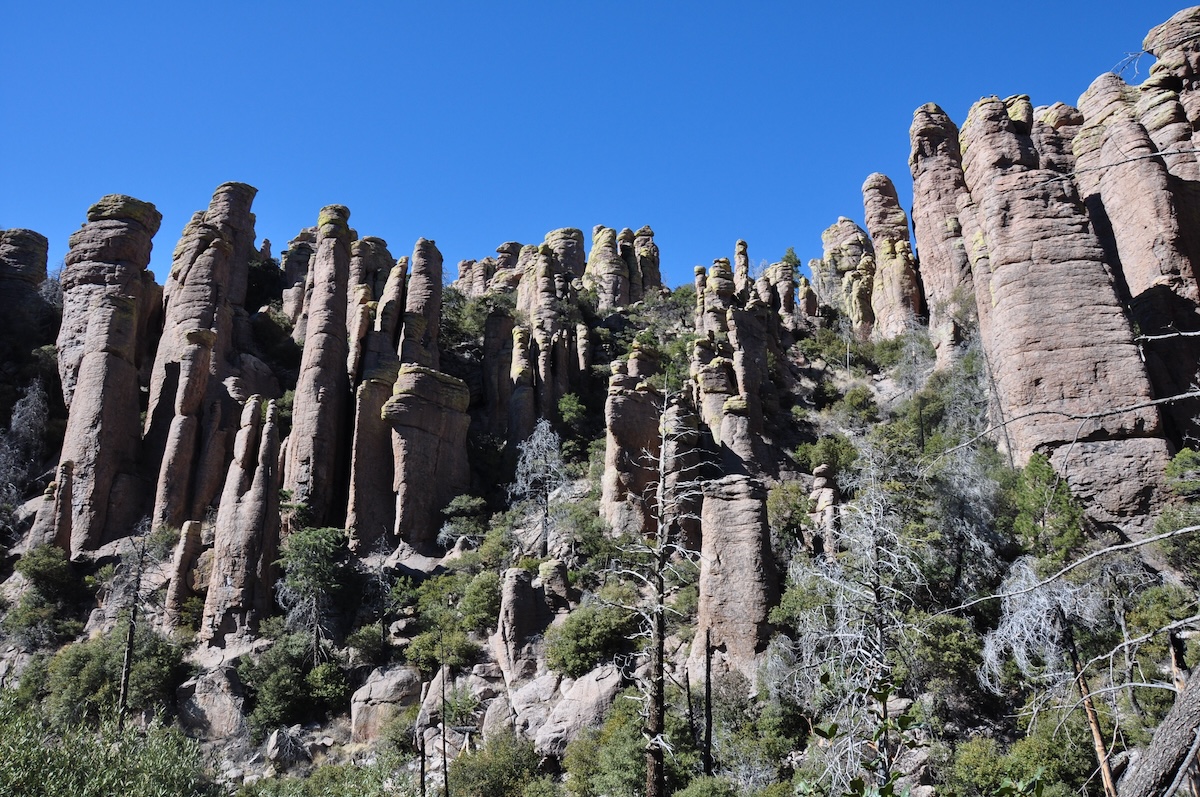
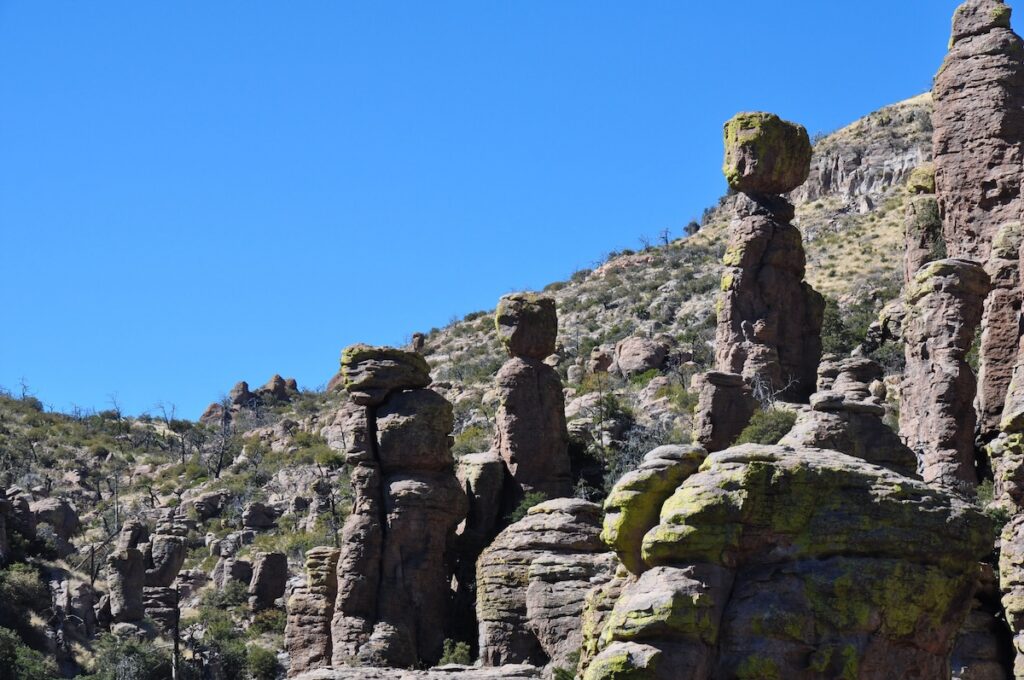
Located in the far southeastern corner of Arizona, Chiricahua is famous for rocks—specifically for its “Wonderland of Rocks,” a maze of stone spires that looks like something from another planet.
For those of us who enjoy a more peaceful adventure, this national park is both more off the beaten path and quieter than the big-name parks. And that’s what makes it so special.
Before you go, here’s how to say it, when to visit, where to park your RV—and a few places to stop nearby if you have more time to spend in the area.
Chiricahua National Park: At a Glance
- How do you pronounce Chiricahua? Cheer-uh-KAH-wuh. The name comes from the Chiricahua Apache, whose ancestral homeland includes these mountains.
- When did Chiricahua National Park become a national park? October 20, 2026. However, it was designated a national monument over 100 years ago in 1924.
- Where is it located? Cochise County, southeastern Arizona, about 120 miles east of Tucson and 35 miles southeast of Willcox.
- How big is it? Roughly 12,000 acres.
- What is the entrance fee? There is none. Currently, Chiricahua National Park is free to enter.
- What’s it known for? Towering rocks—more specifically, volcanic rock spires and the “Wonderland of Rocks.” It’s also a popular location for birding, and it’s an International Dark Sky Park.
- Is there camping inside the park? Yes, with some restrictions. Bonita Canyon Campground takes small RVs only. (See below.)
- Are there RV hookups in the park? No. At Bonita Canyon Campground, you’ll only find drinking water and flush toilets. No hookups, no showers, no dump station. For full hookups, you’ll want to head to the RV parks in Willcox.
- Can big RVs drive into Chiricahua National Park? Only partway. RVs over 29 feet must stop at the Faraway Ranch parking area. No vehicles over 24 feet or trailers are allowed on the scenic drive past Bonita Canyon Campground. Larger rigs are best left in Willcox. Switch to a smaller vehicle to explore the park.
- How much time should I spend in Chiricahua? If you only want to do the scenic drive and the Echo Canyon loop, one full day should suffice. But, if you want to hike the Heart of Rocks or soak up the dark night skies, plan for at least two or three days.
- When’s the best time to visit Chiricahua National Park? Spring and fall are the sweet spots. Right now, in fact, is a great time to visit as the skies tend to be clear and it’s cool enough for a long hike. Overnight temperatures, though, drop below freezing in late October, so pack layers.
In the spring, the temperatures are pleasant, and the flowers are blooming. However, it’s also the busiest season, so make sure you make reservations early.
Don’t discount summer or winter either. Because of the higher elevation, summers are typically cooler than the desert lowlands. You will want to watch for thunderstorms and flash flood warnings, though, especially in July and August.
Finally, winters are usually fairly moderate, with daytime temperatures that reach the 50s and 60s. Best of all, you’ll have the trails mostly to yourself. And even if it does snow, it rarely sticks around for long.
From Volcano to National Park
Chiricahua started with a bang ~27 million years ago when the nearby Turkey Creek Caldera erupted and the area was buried in up to 2,000 feet of ash. Over time, that ash hardened into rock called rhyolite tuff. Wind, water, and ice slowly carved the land into the spires, columns, and balanced rocks we see today.
Long before it became a park, this land was home to the Chiricahua Apache, the people of legendary leaders Cochise and Geronimo. Understandably, it remains sacred to the tribe. The new law protects Tribal members’ continued access to the cultural and religious sites.
Later, homesteaders fell in love with the area, and families—including the Erickson family of Faraway Ranch—pushed for the land to be protected. In 1924, that call was answered, and Chiricahua became a national monument. After 102 years, it was finally promoted to a national park. The boundaries remain the same, but the area gets more attention (and, hopefully, staff and funding).
Why It’s Worth the Drive
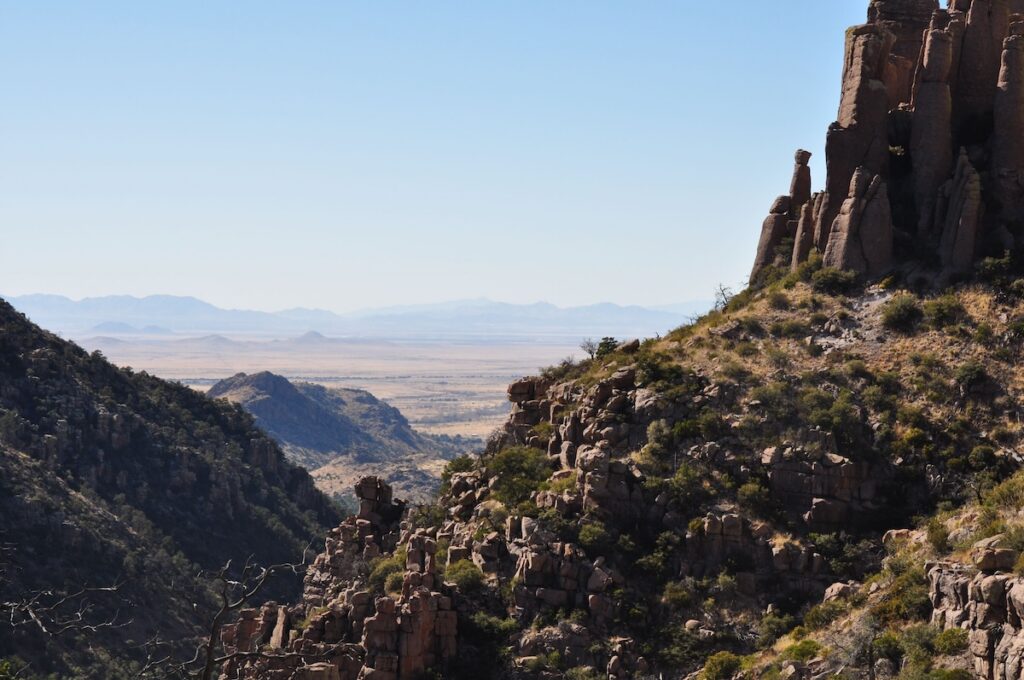
Thousands of stone pillars stand shoulder to shoulder, some taller than a house, others balanced so precariously they look like they could topple at the slightest breeze. Photos of “Wonderland of Rocks” barely do it justice.
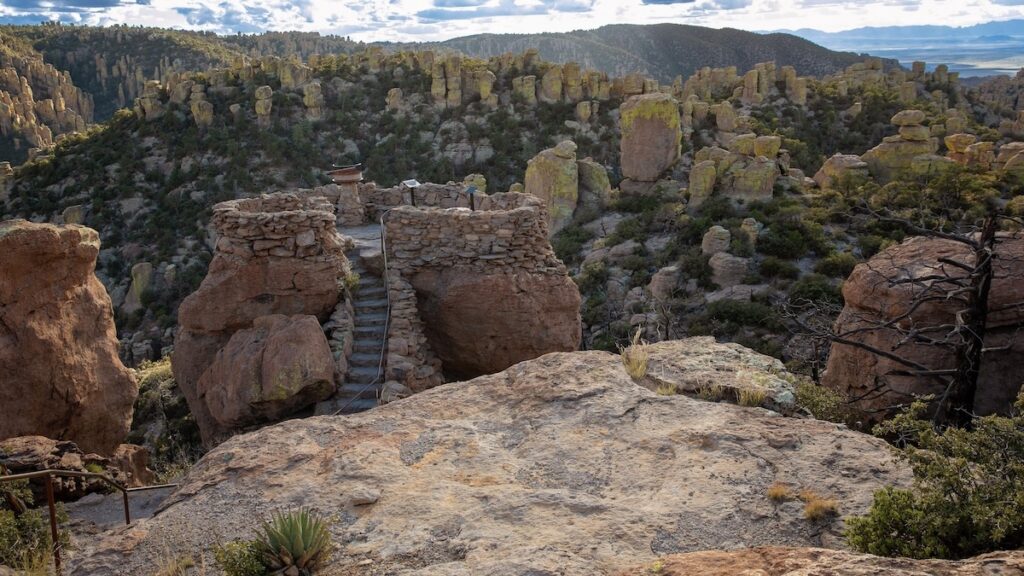
To fully enjoy the area, start with the scenic eight-mile drive through Bonita Canyon up to Massai Point. At 6,870 feet, you’ll gaze upon a sweeping 360-degree view of the spires and the valleys beyond. Before you go, though, make sure you check the size limits. Not every rig can make the climb or the curves.
Once you’re there, you’ll want to lace up your boots and get out into nature. The park offers 17 miles of trails to explore. Two of the most popular include:
- Echo Canyon Loop (3.3 miles): This moderate hike through grottoes, narrow passages, and towering hoodoos provides the biggest bang for your buck.
- Heart of Rocks (about 7.4 miles round trip from Echo Canyon): If you’re up for it, take this longer trek to the Big Balanced Rock—a roughly 1,000-ton boulder perched on a tiny base.
Make sure you grab your binoculars before you head in. Because the mountain range rises from the desert, it draws a wide variety of wildlife. Just over 170 bird species have been spotted in the area. You can also find:
- Coues white-tailed deer, which is the animal visitors spot most often
- Coatimundi (coati), a cousin of the raccoon with a long, striped tail that’s rarely spotted in other parts of the U.S.
- Chiricahua fox squirrels are fairly common
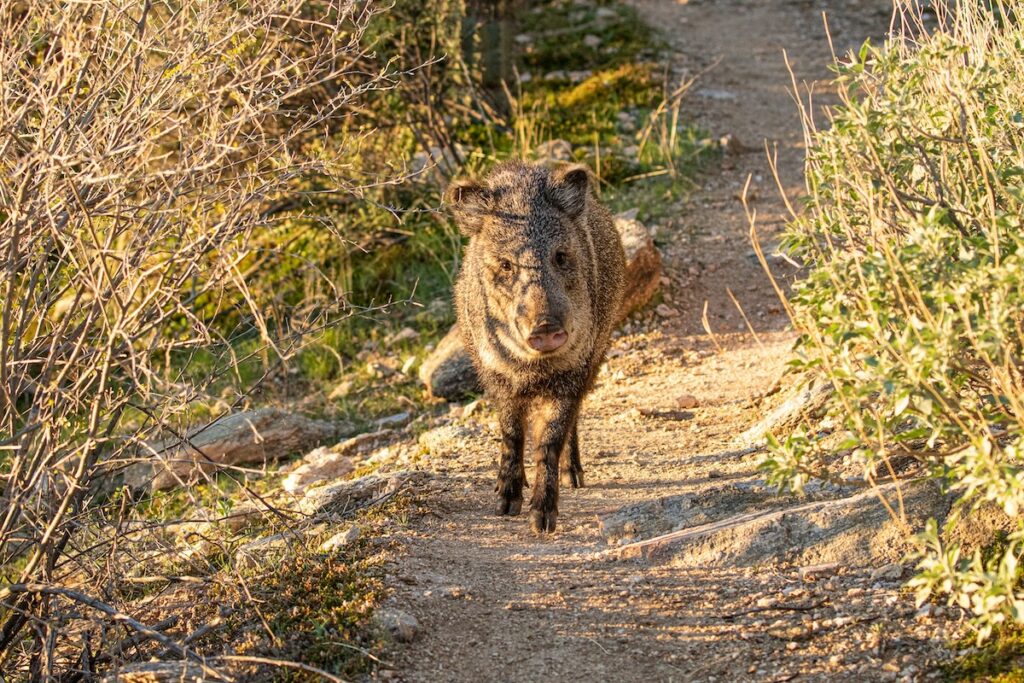
- Javelina, a pig-like animal that’s sometimes spotted at lower elevations
- All four North American skunk species—because they’re nocturnal critters, you may not see them, but they tend to wander through the Bonita Canyon Campground often, so you’ll want to keep your site tidy
- Wild turkey and gray fox, both seen occasionally in the park
- While black bears, mountain lions, and bobcats call these mountains home but are rarely seen
- Lots of lizards, along with banded rock and black-tailed rattlesnakes (eek!)
And because it gets fewer visitors than most national parks—roughly 70,000 per year—at times, you may feel like you have the place all to yourself.
How to RV Chiricahua National Park
First things first: Chiricahua wasn’t built for big rigs—or even moderate-sized ones. The roads are narrow, winding, and steep. So, make sure you plan well before you hit the road.
Start by knowing the length limits—the rules are strictly enforced. In Bonita Canyon Campground, the max length is 29 feet total—bumper to hitch. Beyond the campground and onto the scenic drive, no trailers are permitted. And vehicles can’t exceed 24 feet. RVs over 29 feet must stop at the Faraway Ranch parking area, and day-use trailers need to be unhitched there too, as there’s no big-rig turnaround past that point.
There is some camping inside the park. The Bonita Canyon Campground is the only developed campground. It’s small and rustic with just 23 heavenly sites among the trees, most of which provide at least some shade. You’ll find drinking water and flush toilets but no hookups, showers, or dump station. And be prepared to go without cell service.
For folks with bigger rigs, choose a base camp that’s a bit further out, such as in Willcox or Sunizona, and then visit for the day in a smaller vehicle. Willcox is about 35 miles away and has several full-hookup options, including Fort Willcox RV Park (for adults only; fits rigs up to 60 feet) or Willcox KOA.
Finally, because the park is remote, make sure you stock up on gas, water, and food before you go.
Nearby Can’t-Miss Spots
This corner of Arizona is packed with history and surprises. If you have time to linger in the area, some additions worth considering include:
- Fort Bowie National Historic Site: A 1.5-mile trail to the ruins of a frontier fort at Apache Pass. Accessible only by a gravel road, it’s best for tow vehicles or small rigs
- Willcox wine country: Sit and savor at one of the many tasting rooms in town after a nice hike
- Kartchner Caverns State Park: A stunning “living” cave near Benson
- Tombstone and Bisbee: A wonderful detour for history buffs who want to step into the Old West with some artistic flair
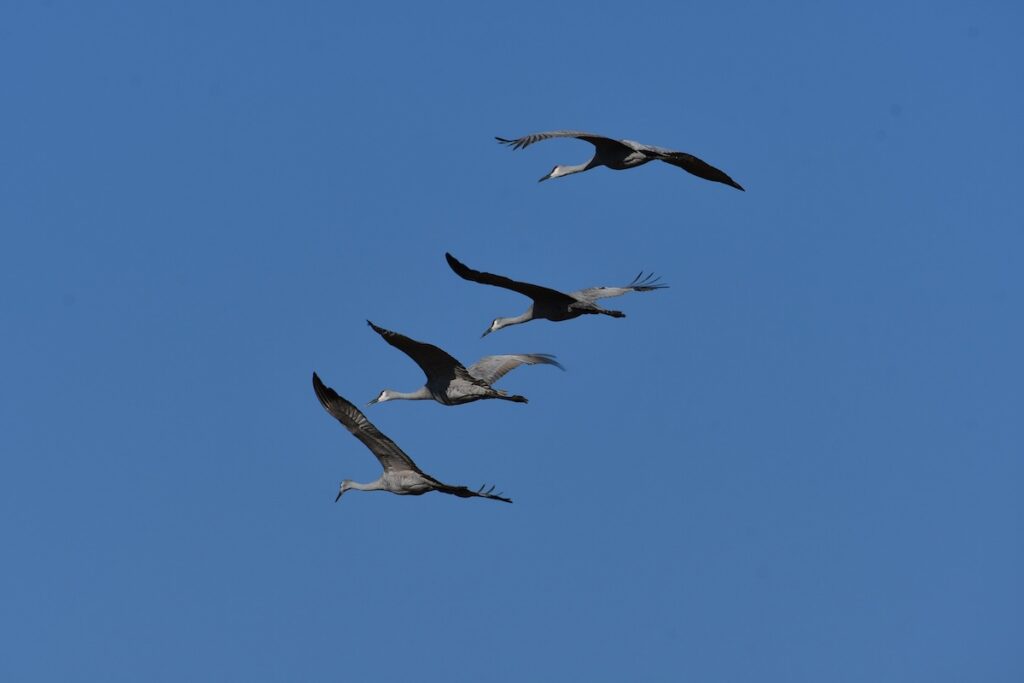
- Whitewater Draw Wildlife Area: If you’re visiting in winter, you can witness thousands of sandhill cranes October through March, with populations peaking December through February. It’s worth waking up early as they’re best seen around sunrise.
Your Next Great Adventure: RV Chiricahua National Park
We’re so lucky to have so many breathtaking destinations within reach in this big, beautiful country. Our national parks are truly some of the best America has to offer, and Chiricahua is a worthy addition—102 years in the making. Now it’s your turn to visit.